Shingle Springs sits inside a CAL FIRE-designated High Hazard Severity Zone, which means the roofing system over a property here is not a cosmetic choice. Roof Geeks is a licensed roofing contractor (CSLB License #1089542) based at 4261 Sunset Ln Suite 100, Shingle Springs, CA 95682, installing Class A rated fire resistant roofing systems for residential properties throughout El Dorado County. Our crews specify and install assemblies that meet California building code requirements for fire-prone areas, giving property owners a documented line of defense against ember intrusion and radiant heat exposure.
Talk to our Shingle Springs roofing team about Class A fire rated options for your property. Call us at (916) 888-7663.
Key Takeaways
- Shingle Springs is located in a CAL FIRE High Hazard Severity Zone, making Class A fire resistant roofing a code and safety priority.
- Class A is the highest fire resistance rating available for roof coverings and reflects performance of the full roofing assembly, not just the surface material.
- Metal roofing, concrete tile, and Class A asphalt shingles are the most common fire resistant roofing options suited to El Dorado County conditions.
- Gaps between roof coverings and the deck, unprotected eave vents, and debris accumulation are the primary ignition pathways on residential roofs in wildfire zones.
- California building code requires Class A rated roof coverings for new builds and re-roofing work in designated fire hazard zones.
A roof without a Class A fire rating in El Dorado County is not just a liability. It is a code compliance problem and a direct ignition risk in one of California's most fire-active stretches of the Sierra Nevada foothills.
El Dorado County carries both High and Very High Fire Hazard Severity Zone designations from CAL FIRE, covering large portions of the unincorporated foothill communities between Shingle Springs and Cameron Park. That designation is not a formality. It triggers specific California building code requirements for roof coverings on new builds and re-roofing work, and it reflects real, documented ignition risk for properties in this region.
Three ignition pathways threaten roofs in this zone. Ember cast is the most common: wind-driven fire events in this terrain routinely push burning embers one to two miles ahead of the fire front. A single ember landing in a debris-filled valley or gutter on a non-rated roof covering is enough to start a structure fire before flames ever reach the property line. Direct flame contact from adjacent vegetation and radiant heat transfer from burning neighboring structures are the other two pathways our technicians account for when evaluating a roofing system for fire performance.
This article covers the Class A, B, and C rating system, the specific materials that meet Class A standards, and what property owners in Shingle Springs, Cameron Park, and surrounding El Dorado County communities need to know before scheduling a roof replacement or re-roofing project. Roof Geeks is a licensed roofing contractor serving these communities throughout the Sacramento metropolitan area.
How Wildfire Ignites a Roof: The Three Pathways
Most homeowners picture a wall of flame reaching the roofline. In reality, a roof can ignite three different ways, and direct flame contact is the least common of the three.
Ember Cast and Brand Spotting
Firebrands, the burning debris carried aloft by convection columns, are the primary ignition source in wildland-urban interface fires. In the terrain running along the Highway 50 corridor through Shingle Springs and Cameron Park, wind channeling through ridge corridors can carry live embers well ahead of the visible fire front, often by a mile or more.
Those embers land somewhere. Debris-filled gutters and roof valleys act as ready fuel beds, collecting dry ponderosa pine needles and black oak leaves year-round in this part of the county. A single ember dropped into a packed gutter can smolder undetected for several minutes before producing open flame. Keeping gutters clear is a fire-mitigation task as much as a drainage task, and our crews see heavily loaded gutters on ridge-top lots throughout the area after every wind event. If your gutters need attention before fire season, our gutter installation and replacement services include full valley and fascia inspection.
Direct Flame Contact from Vegetation
Vegetation within ten feet of the roofline can carry ground fire directly to the roof surface without any ember involvement. Low-slope roofing systems with combustible membrane substrates are especially vulnerable because the roof geometry brings the surface closer to grade-level fuels.
Ponderosa pine canopy overhanging a roofline on Rescue or Latrobe Road properties creates a continuous fuel ladder from the ground to the roof deck. A fire-resistant roofing system reduces the rate of flame spread across the surface, but it cannot fully compensate for direct vegetative contact.
Radiant Heat Transfer
Radiant heat from a structure burning 30 to 40 feet away can ignite exposed combustible roof coverings without any flame reaching the property. This pathway is responsible for the block-by-block spread pattern seen in WUI fire events.
Class A roofing assemblies are tested against all three of these vectors, including direct flame, flame spread, and sustained radiant heat exposure, under ASTM E108 and UL 790 standards. A roof covering rated Class A for flame spread only does not carry the same protection as a fully tested Class A assembly. Specifying the correct roofing assembly for wildfire conditions means confirming the full assembly rating, not just the surface material designation.
Schedule a fire-risk roof assessment before fire season and find out exactly where your current assembly stands. Call us at (916) 888-7663.
Understanding the Class A, B, and C Fire Rating System
Fire ratings for roofing assemblies are defined by two test standards: ASTM E108 and UL 790. These tests classify roof assemblies into three tiers based on their ability to resist ignition, limit flame spread, and prevent the generation of flaming brands that can travel and ignite neighboring structures.
What Class A Actually Means
Class A represents the highest level of fire resistance, requiring the assembly to withstand severe fire exposure. A Class A assembly must resist flame spread across the surface, prevent fire from penetrating the deck, and not produce flaming brands during the test sequence. Class B addresses moderate fire exposure, and Class C addresses light exposure. For properties in Cameron Park, Shingle Springs, and the surrounding foothill communities, Class A is the only rating that provides meaningful protection against the wildfire conditions common to this region.
Why the Roof Covering Alone Does Not Determine the Rating
The fire rating applies to the complete roof assembly, including the deck, underlayment, and fastening system, not the surface material in isolation. This is the most frequently misunderstood point in fire-resistant roofing. A Class A shingle installed over combustible OSB sheathing without the correct underlayment does not produce a Class A assembly rating.
Our technicians install manufacturer-specified underlayment and decking systems to ensure the complete assembly carries a documented Class A rating. Purchasing a Class A-labeled shingle from a supply house and installing it over an unverified substrate is not code-compliant and will not meet the assembly classification. Property owners requesting our residential roofing services receive a full assembly specification, not just a surface material selection.
California Building Code Requirements
California Residential Code Section R902.1.3 mandates Class A roof coverings for new builds and re-roofing in Very High Fire Hazard Severity Zones. El Dorado County holds that designation from CAL FIRE, which means any re-roofing project in communities across the county must use a verified Class A assembly. This is not a recommendation. It is a code requirement enforced at the permit level.
Property owners replacing a roof in this area need to verify that the proposed assembly carries a documented Class A rating, not just the individual material label. Our crews pull permits and submit assembly documentation that satisfies El Dorado County inspection requirements on every qualifying project.
Get a Class A assembly quote for your El Dorado County property and a written specification you can hand to your inspector. Call our team at (916) 888-7663 to schedule a consultation.
Which Roofing Materials Earn a Class A Fire Rating?
Class A is the highest fire resistance classification under ASTM E108 and UL 790 testing standards, and it is the rating required for new builds and re-roofing in California's Wildland-Urban Interface zones. Not every material achieves that rating on its own. Some earn it as a standalone product, while others require a fully code-compliant assembly to qualify.
Metal Roofing
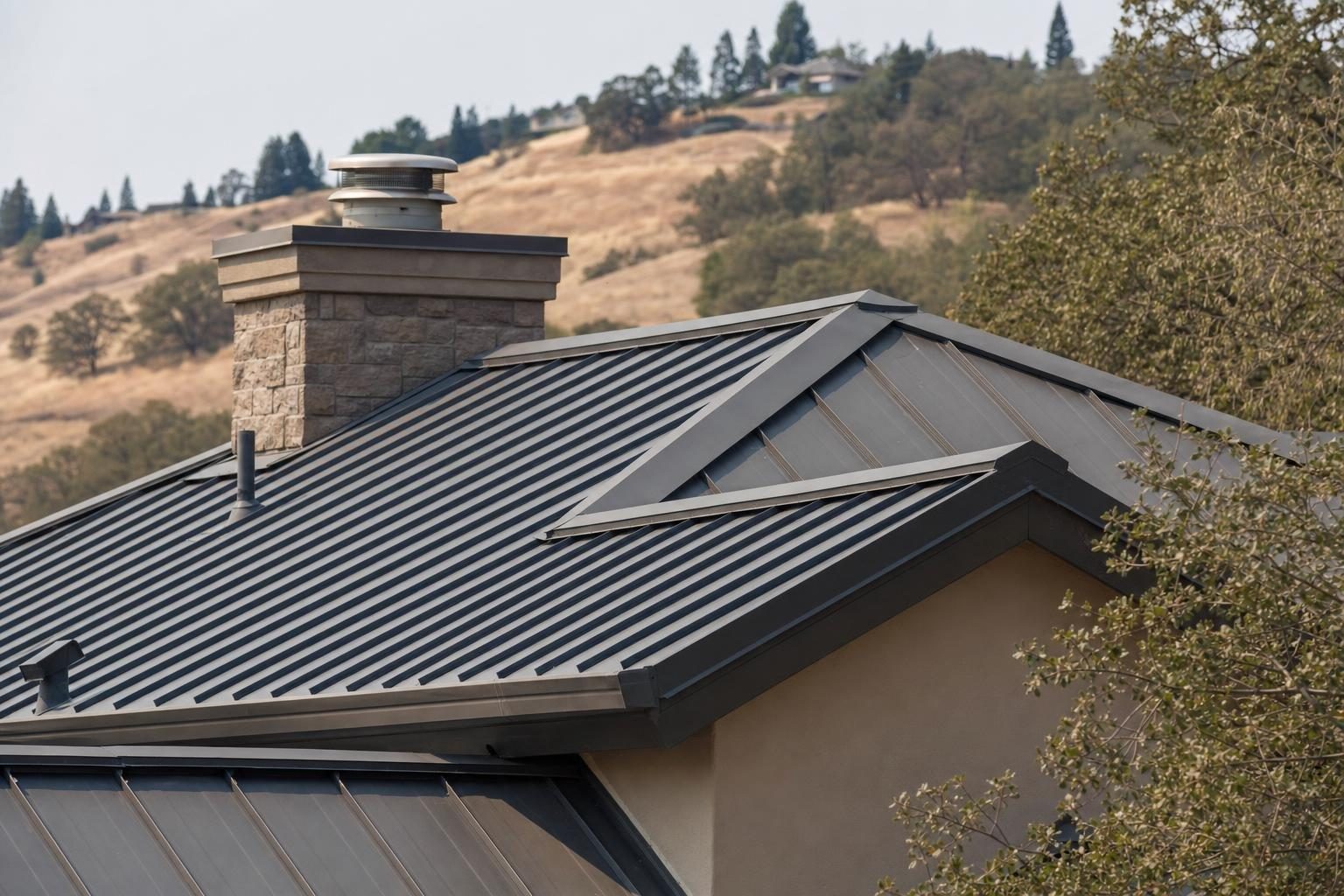
Metal roofing is non-combustible as a base material, meaning it will not ignite from direct flame or ember cast. Standing seam and exposed-fastener metal roofing achieve Class A as a standalone material, not just as an assembly, which is a meaningful distinction in the high-hazard zones across El Dorado County.
Metal roofing also reflects solar radiation, reducing attic heat load during summer months when fire risk in the Sierra Nevada foothills peaks. Homes throughout the Cameron Park and Shingle Springs corridor regularly see temperatures above 100 degrees Fahrenheit, making metal roofing's thermal performance a practical energy benefit alongside its fire resistance.
Concrete and Clay Tile
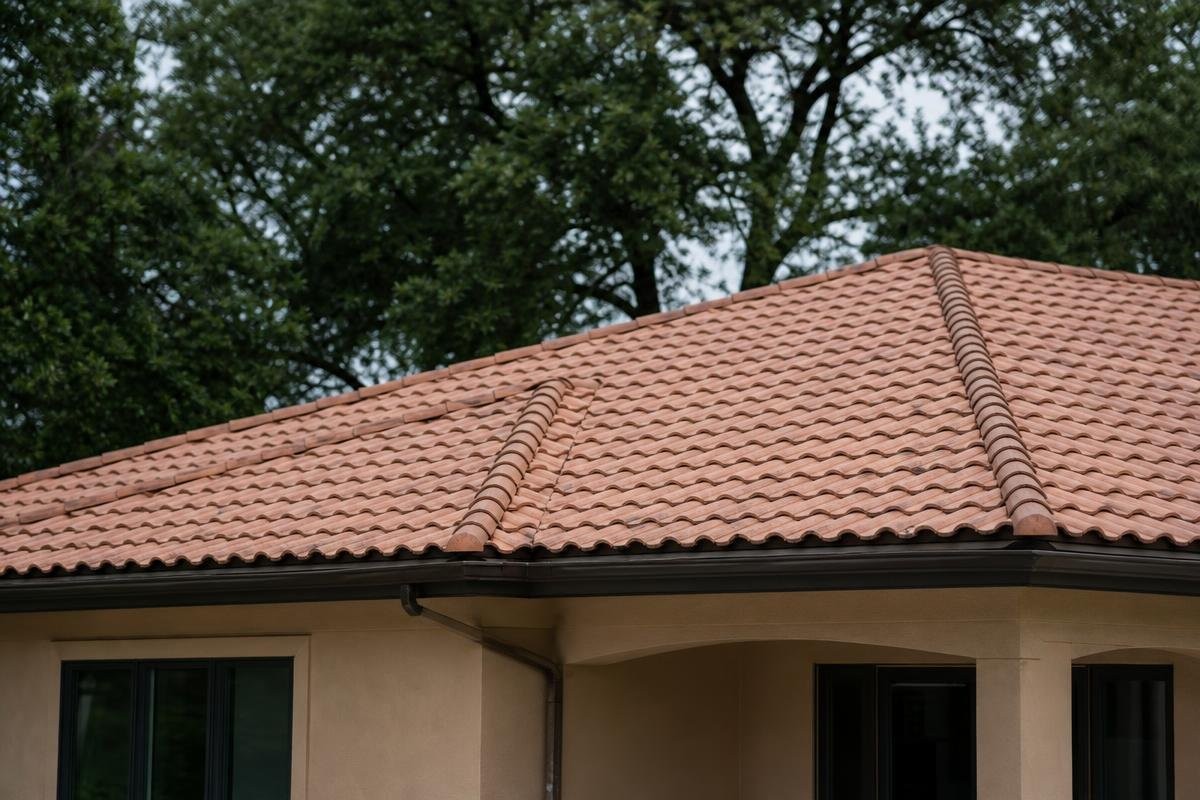
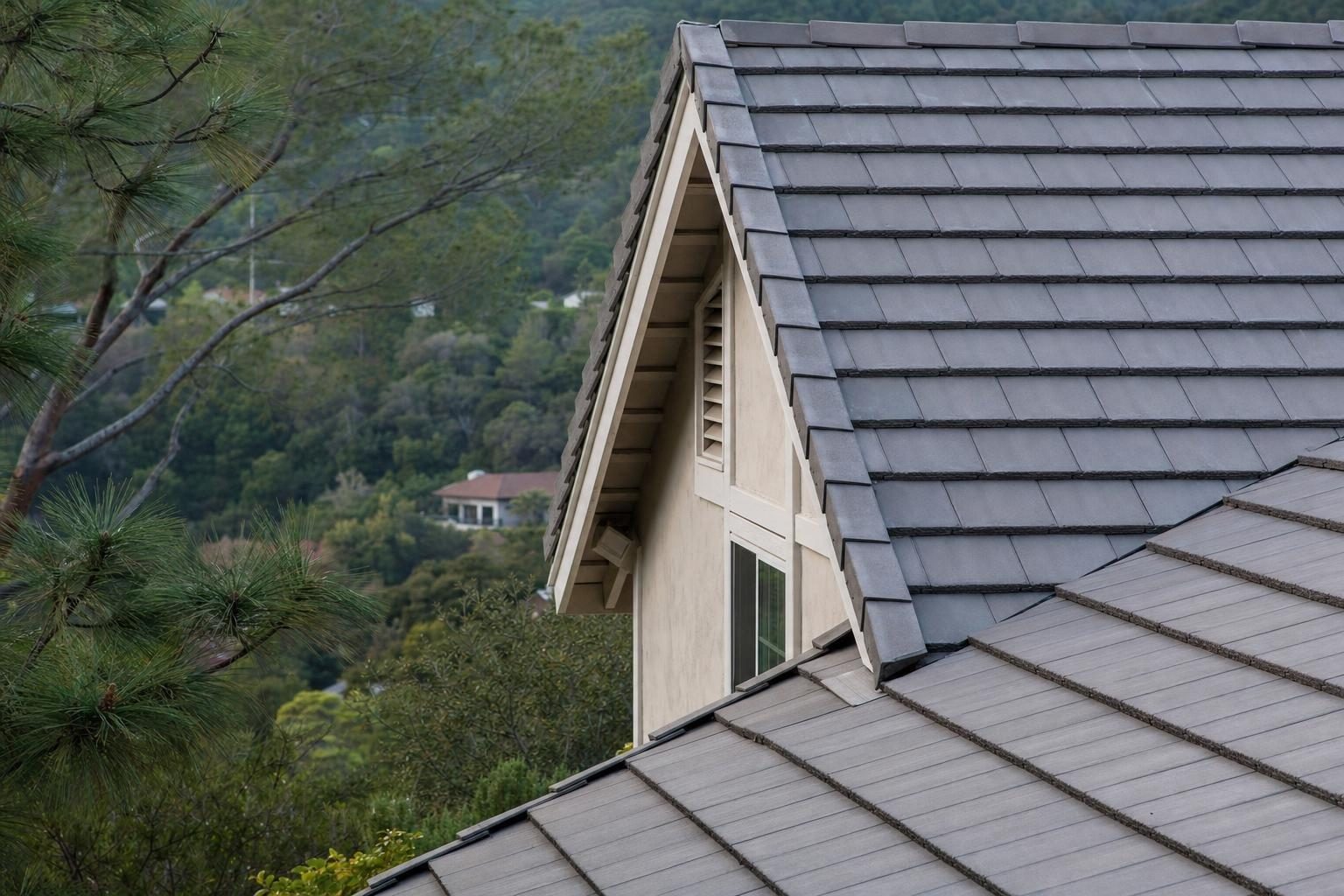
Concrete and clay tile are non-combustible materials that carry strong tile roofing fire ratings, but the assembly details determine whether the full system qualifies as Class A. Tile systems with manufacturer-specified closure components, including bird-stop closures at the eave, ridge closures, and a Class A-rated underlayment, are required to prevent ember accumulation in the gap between the tile and the deck.
Many tile roofs installed on Rescue and El Dorado Hills homes during the 1980s and 1990s lack these closure details and may not meet current WUI requirements. Our crews inspect existing installations for these gaps before recommending repair or full replacement.
Class A Asphalt Shingles
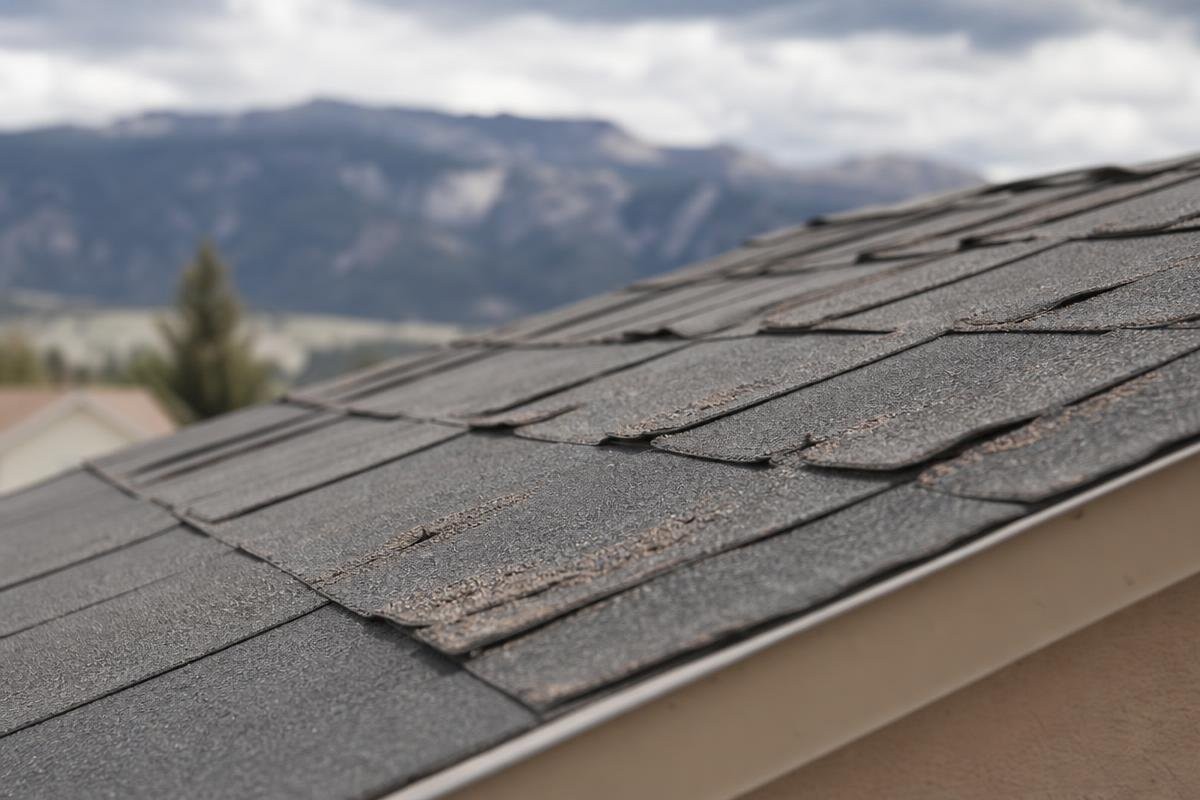
Fiberglass-mat asphalt shingle roofing carries a Class A fire rating when installed as a complete, manufacturer-specified assembly. Organic-mat asphalt shingles, which are no longer manufactured, do not meet this standard and may still exist on El Dorado County properties built before the mid-2000s.
A home built in the 1990s in Gold Hill or Rescue may have organic-mat shingles that look intact but offer no meaningful fire resistance. Our technicians can identify the shingle type during a roof inspection and confirm whether the current system meets California's fire rating requirements.
Flat and Low-Slope Systems
TPO and modified bitumen membranes used in flat roofing systems can achieve Class A ratings when installed over non-combustible insulation boards. Combustible polyisocyanurate insulation without a non-combustible cover board can compromise the assembly rating, which is a common deficiency on commercial structures along the Highway 50 corridor near El Dorado Hills.
Our installers specify cover board assemblies that meet Class A requirements and match the manufacturer's warranted performance for the membrane system being installed.
Complex Roof Features That Create Fire Vulnerabilities
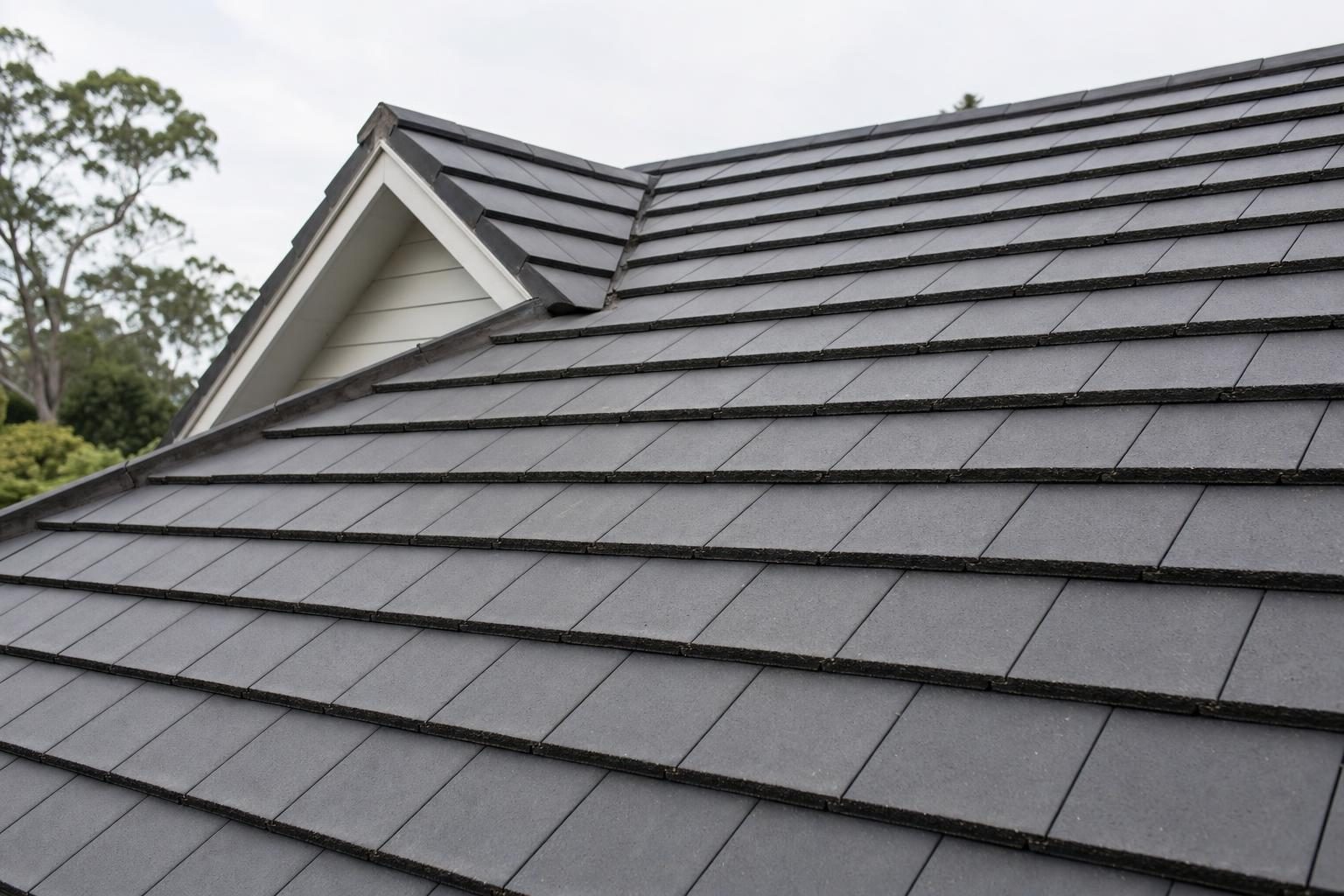
A Class A-rated shingle does not protect a home if the roof geometry underneath creates pathways for ember intrusion. Specific structural features found on older homes throughout the I-50 corridor create fire vulnerabilities that no single material upgrade can fix on its own.
Roof Valleys
Ponderosa pine needles and black oak leaves accumulate in roof valleys faster than on any other roof surface. That packed debris becomes a fuel channel, carrying fire from the gutter line directly up toward the ridge during a wind-driven fire event.
Open metal valleys with steep, smooth profiles shed debris more effectively than woven or closed-cut shingle valleys. Our crews replace closed valley construction with code-compliant open metal valley systems when performing fire-resistant roofing upgrades in Cameron Park and older Shingle Springs subdivisions.
Eave and Soffit Gaps
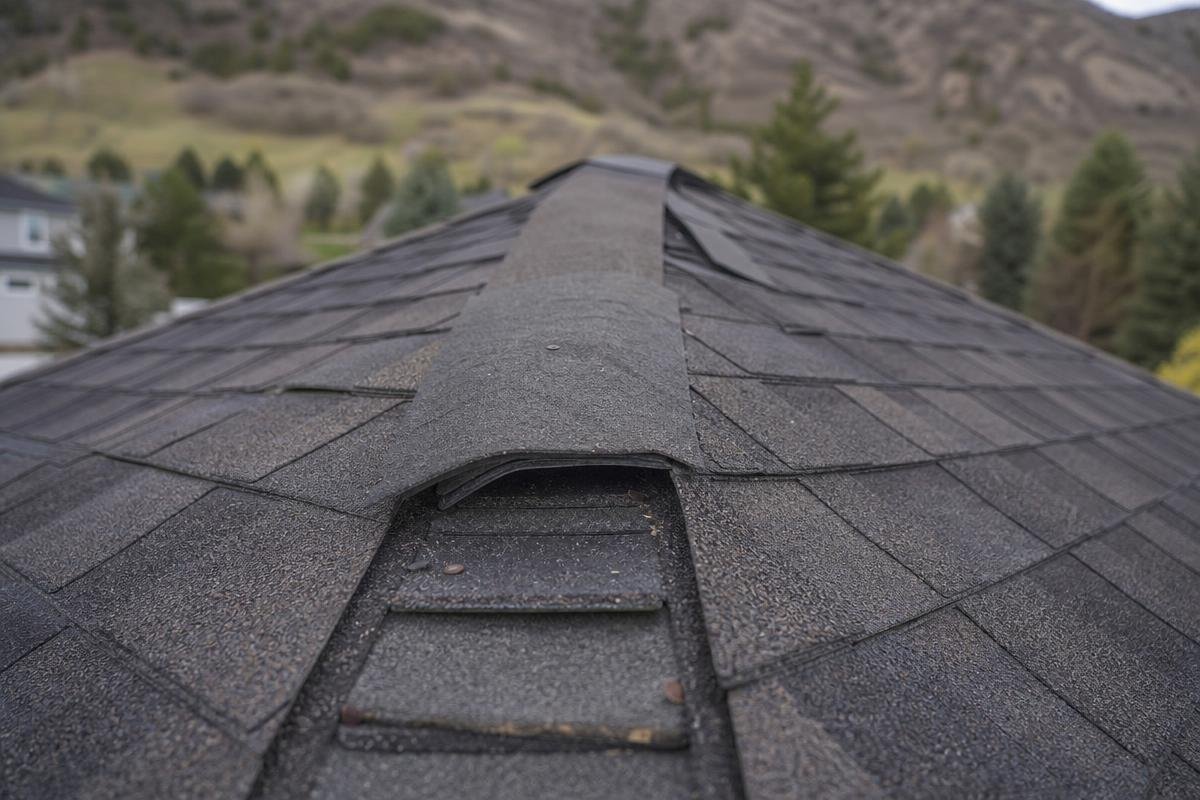
Open-soffit construction is common in homes built before 2008 across Cameron Park and the older sections of the foothill communities east of Sacramento. Unscreened or undersized attic vents allow embers to enter and ignite attic framing from the inside, which is how many homes are lost before exterior flames ever reach the wall.
California Building Code requires 1/16-inch mesh screening on all attic vents in Very High Fire Hazard Severity Zones, which covers most of El Dorado County. Our technicians evaluate existing vent assemblies and perform ventilation upgrades that meet current roof fire rating California requirements without reducing net free area below manufacturer-specified minimums.
Skylights and Penetrations
Standard single-pane skylights crack under radiant heat, opening a direct ember entry point into the attic. Pipe boots, HVAC curbs, and skylight curbs must all use non-combustible assemblies to close off these penetrations under California code.
Our installers replace vulnerable glazing and framing with skylight systems with non-combustible curb assemblies rated for WUI conditions. Tempered or wired glass with metal framing performs significantly better than standard residential units during the radiant heat phase of a wildfire.
If your home is in Shingle Springs, Cameron Park, El Dorado Hills, Folsom, Auburn, or anywhere in El Dorado or Placer County, the fire rating of your full roof assembly matters now. Our team inspects existing roof assemblies, identifies code gaps, and installs Class A-rated systems using manufacturer-specified components. Call us at (916) 888-7663 to schedule a roof assessment. We serve the full I-50 corridor from Roseville and Elk Grove through Rancho Cordova and beyond.
Frequently Asked Questions
How Long Does a Fire Resistant Roofing Installation Typically Take?
Most fire resistant roofing projects in El Dorado Hills take between two and five days, depending on the material chosen and the size of the home. Concrete or clay tile installations generally run longer than metal or asphalt shingle jobs because of the added weight preparation and underlayment requirements. Roof Geeks provides a project timeline estimate during the initial inspection so homeowners can plan accordingly.
Will My Homeowners Insurance Rate Drop After Installing a Class A Roof?
Many insurance carriers operating in wildfire-prone areas of Northern California offer premium discounts for verified Class A roof assemblies. The discount amount varies by insurer, but some homeowners report reductions of 5 to 20 percent on their annual premium. You should contact your insurance provider directly after installation and provide the product documentation and permit records that Roof Geeks supplies at project completion.
Can I Install Fire Resistant Roofing Over My Existing Roof Layer?
California building code generally permits one layer of new roofing over an existing layer, but a second re-roof requires full tear-off before new material is applied. Beyond code, adding fire resistant material on top of a deteriorating deck can compromise the fire rating of the entire assembly since the deck condition factors into the classification. Roof Geeks inspects the existing substrate and advises on whether a tear-off is necessary before any installation begins.
How Often Should a Fire Resistant Roof Be Inspected After Installation?
Most manufacturers and roofing professionals recommend a professional inspection every one to two years, with an additional check after any major wind event or nearby wildfire. Debris accumulation in valleys and around penetrations can degrade fire performance over time even on a properly rated roof. Roof Geeks offers post-installation maintenance plans specifically designed for foothill homeowners in designated fire hazard zones.
Do Fire Resistant Roofing Materials Hold Up Well in Hot Summers?
Metal roofing and concrete tile both perform reliably in the extreme summer heat common to El Dorado Hills, often reflecting more solar radiation than standard asphalt products, which can reduce attic temperatures noticeably. Class A asphalt shingles are engineered to resist thermal cracking, though their surface granules can shed faster in prolonged high-heat exposure compared to tile or metal. Proper attic ventilation installed alongside the new roof helps extend the lifespan of any material in this climate.
Is a Fire Resistant Roof Also More Resistant to Impact and Hail?
Fire resistance and impact resistance are separate rating categories, so a Class A fire rating does not automatically mean the material performs well against hail. Metal panels and concrete tile tend to score well on both measures, while some asphalt shingles carry a Class 4 impact rating in addition to their Class A fire designation. Roof Geeks can specify products that meet both standards for homeowners who want protection against the full range of weather hazards in the foothills.
What Happens to My Roof Warranty If I Add Solar Panels Later?
Adding solar panels after installation can void portions of a roofing warranty if the penetrations are not made by a qualified contractor following the original manufacturer's guidelines. Fire resistant underlayments and deck assemblies may also be affected if mounting hardware is installed incorrectly, creating gaps that compromise the fire rating. Roof Geeks recommends coordinating with your solar installer before any penetrations are made and can review the planned attachment method to protect both the warranty and the fire performance of the roof.
Ready to Get Started with Roof Geeks?
Call (916) 888-7663 to speak with our team directly. We're ready to answer your questions, walk you through your options, and help you find the right solution for your needs. Whether you're just starting to plan or ready to move forward, we'll make the process simple and stress-free.
Reach out today and let's talk about how we can help.