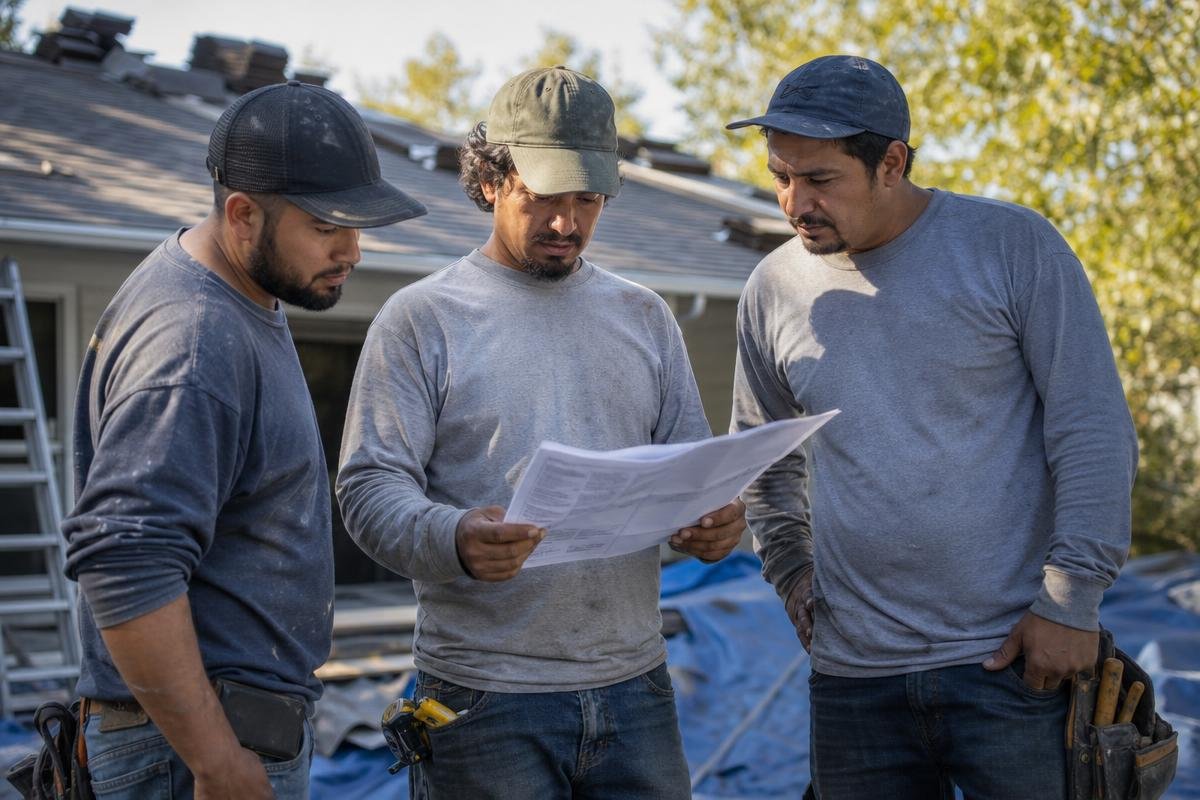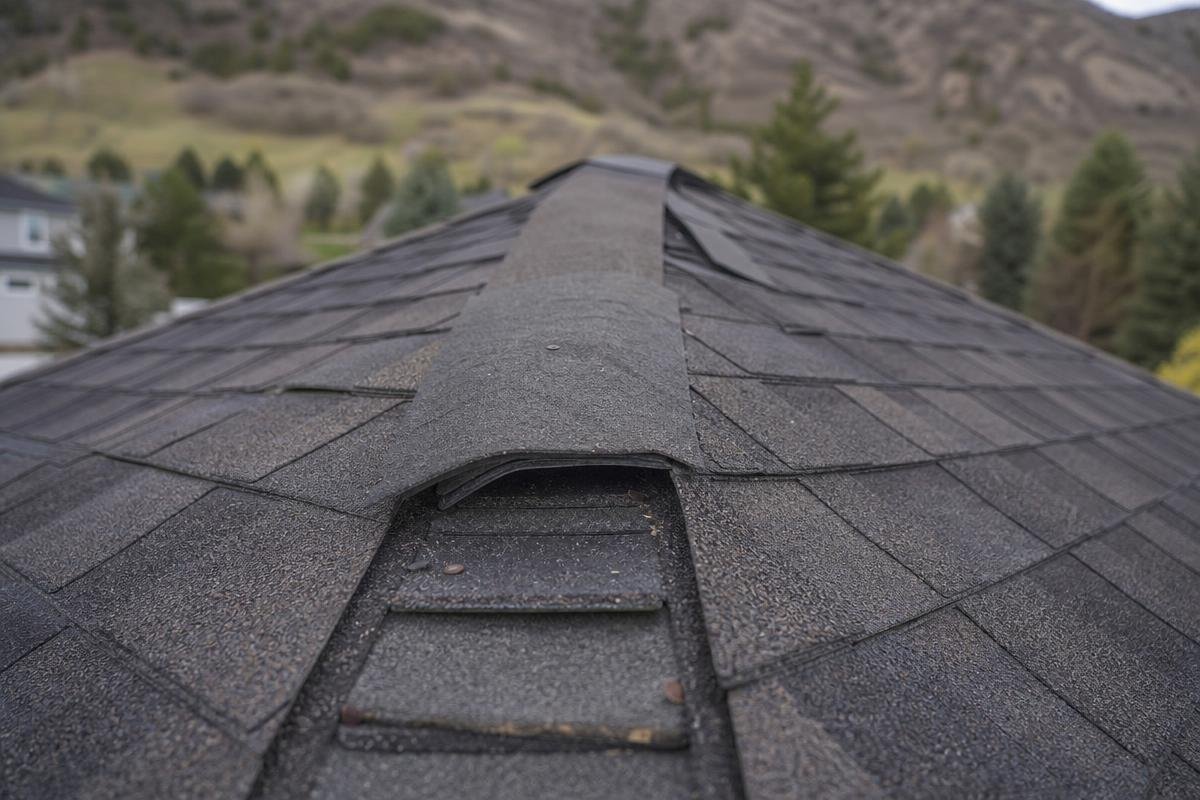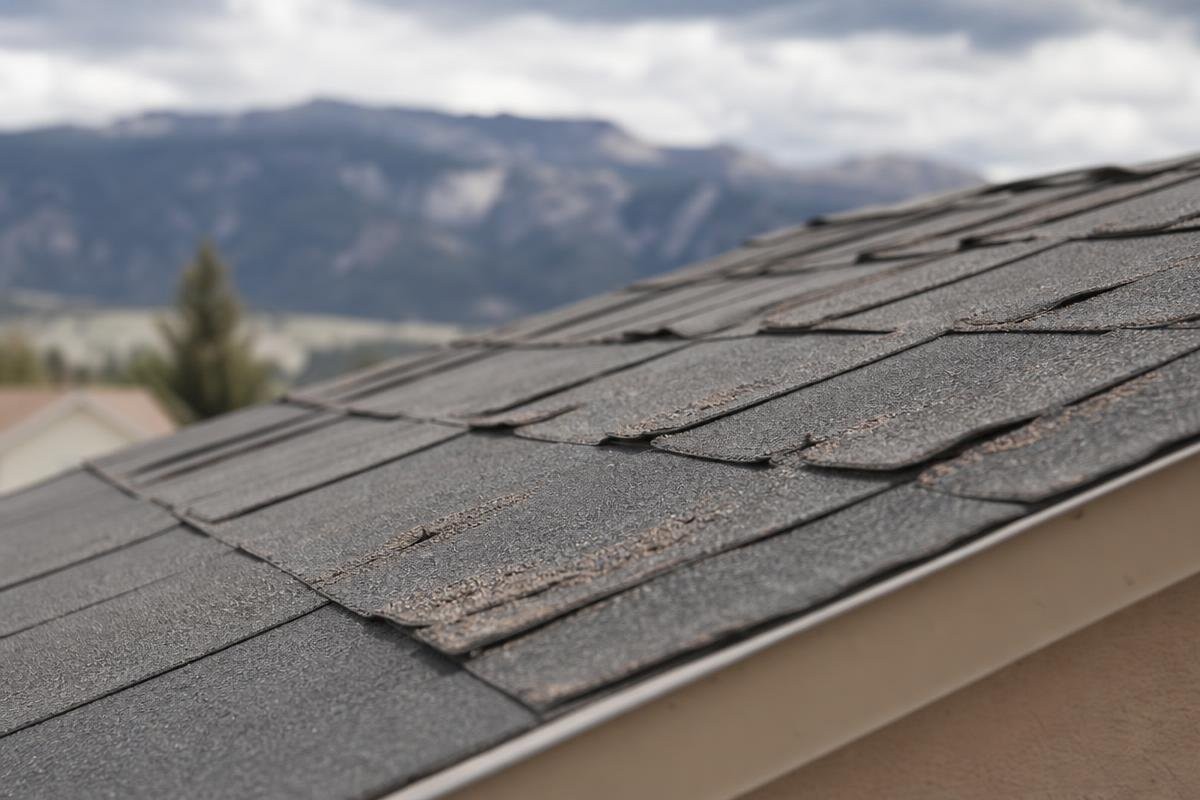
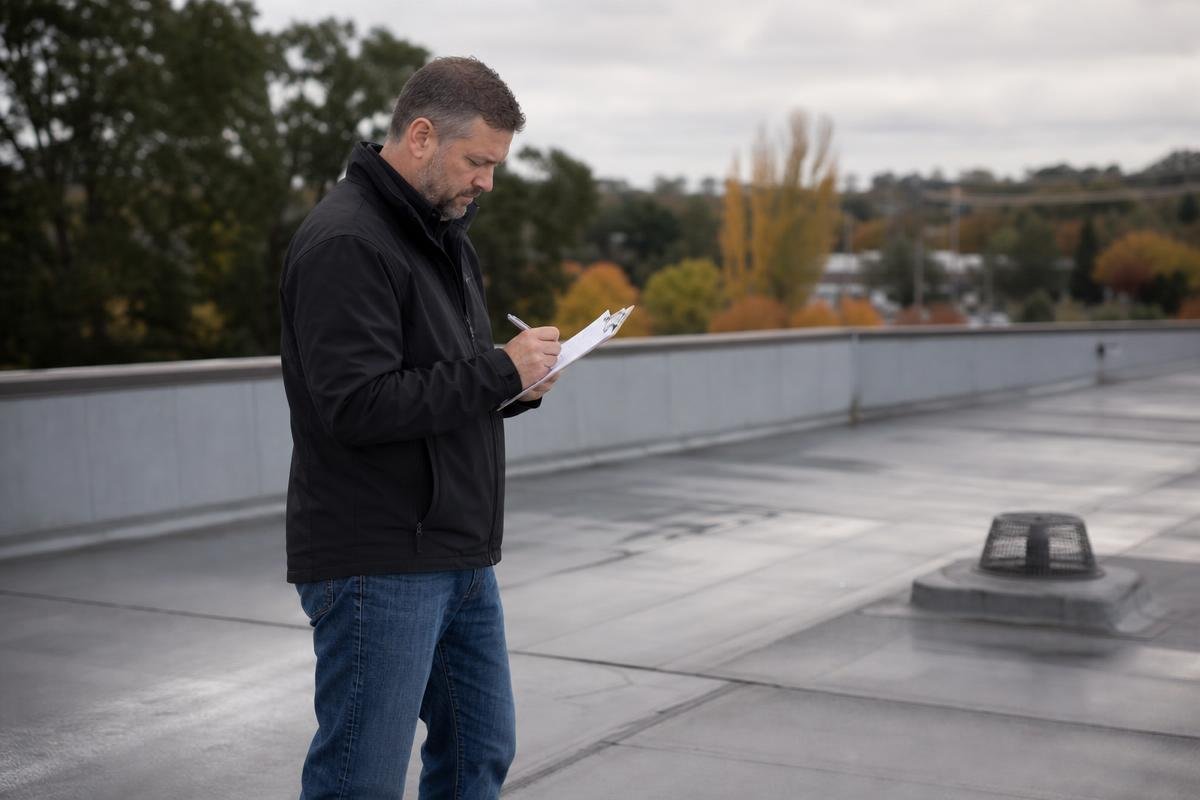
After a Shingle Springs storm, a low-slope roof can hold water behind blocked drains, scuppers, or debris caught at the roof edge. That condition can lead to interior damage, tenant disruption, and premature roofing-system wear. Roof Geeks provides flat roof maintenance for offices, retail properties, and multifamily buildings in Shingle Springs and nearby foothill communities, with inspections focused on drainage performance, membrane condition, and watertight roof details.
Schedule a roof review before minor drainage issues become interior repairs.
Key Takeaways
- Flat roof maintenance should include recurring checks of drains, seams, penetrations, perimeter metal, and rooftop equipment areas.
- Water that remains after normal drying conditions should be documented and evaluated for drainage or membrane-detail problems.
- Spring, fall, and post-storm visits help address foothill tree debris and heat-related wear before they become leaks.
- A useful maintenance report includes photographs, defect locations, recommended actions, and repair priorities for budgeting.
Why Commercial Flat Roofs Need Regular Maintenance in Shingle Springs
Heavy winter rain can turn one obstructed roof outlet into wet insulation, deck deterioration, ceiling damage, and a larger repair scope. Dry-season heat creates a different risk by cycling membranes, coatings, sealants, and flashing through expansion and contraction. In the Shingle Springs foothills, oak leaves, pine needles, small branches, and windblown grit can collect at drainage points and along parapet walls.
For property owners near Shingle Springs and El Dorado Hills, preventive roof care is most effective when it is tied to the building's roof type, equipment traffic, and drainage layout. A TPO or PVC roof needs close review of welded laps and flashing details. Modified bitumen and built-up roofs require attention to granule loss, splits, blisters, and exposed reinforcement. Coated systems need adhesion and film-thickness checks at transitions, not simply another layer of material.
Roof Geeks is based at 4261 Sunset Lane, Suite 201, Shingle Springs, CA 95682. This guide explains inspection timing, material-specific roof checks, ponding-water troubleshooting, coating evaluations, and when a condition should move from monitoring to repair.
What Should a Flat Roof Maintenance Visit Include?
A proper commercial flat roof maintenance visit reviews the membrane, drainage path, perimeter details, penetrations, rooftop equipment areas, and visible signs of moisture intrusion. The result should be a documented roof-condition report that identifies immediate repairs, conditions to monitor, and items to budget for before they affect occupied space.
Inspect the Waterproofing Assembly and Roof Details
A low-slope roof inspection starts in the membrane field and follows water toward drains, edges, and transition points. Inspectors look for punctures, open laps, splitting, blistering, cracking, exposed reinforcement, deteriorated sealant, damaged flashing, and loose edge metal. HVAC curbs, pipe boots, conduit supports, parapet walls, and material transitions deserve close attention because movement and service access commonly stress these details first.
Inspection methods should match the roof system. On single-ply roofs, welded seams and corners are checked for separation or damage. On modified bitumen or built-up roofs, splits, ridging, exposed plies, and surfacing loss can indicate a developing issue. On coated roofs, cracking, thinning, abrasion, and loss of adhesion can reveal whether localized repair is needed. Our roof inspection services identify conditions that need monitoring, repair, or further moisture investigation.
Clear and Test the Drainage Path
Drainage maintenance is more than removing visible leaves. Roof drains, scuppers, gutters, strainers, and downspouts need to be cleared and checked for a clear route away from the building. In foothill settings, debris can collect at low points even when most of the roof surface looks clean.
Standing water should be photographed, mapped, and revisited after reasonable drying time. A shallow area that clears promptly may need monitoring, while water that persists, repeatedly returns in the same location, or sits near seams and curbs needs closer evaluation. The cause may be blocked drainage, settlement, insufficient slope, or a localized roof-detail failure.
Document Conditions Before They Become Larger Repairs
Date-stamped photographs should record drain locations, membrane conditions, flashing, penetrations, ponding areas, equipment traffic paths, and any interior moisture signs. A practical report also identifies the roof section, observed condition, recommended action, priority level, and whether follow-up is needed after a storm.
If the inspection finds active water entry, schedule roof leak repair before the next weather event. A property owner needs a defined repair scope and documented source investigation, not an assumption that the membrane will hold.
Request a commercial roof maintenance inspection with documented findings and repair priorities.
How Often Should a Commercial Flat Roof Be Inspected?
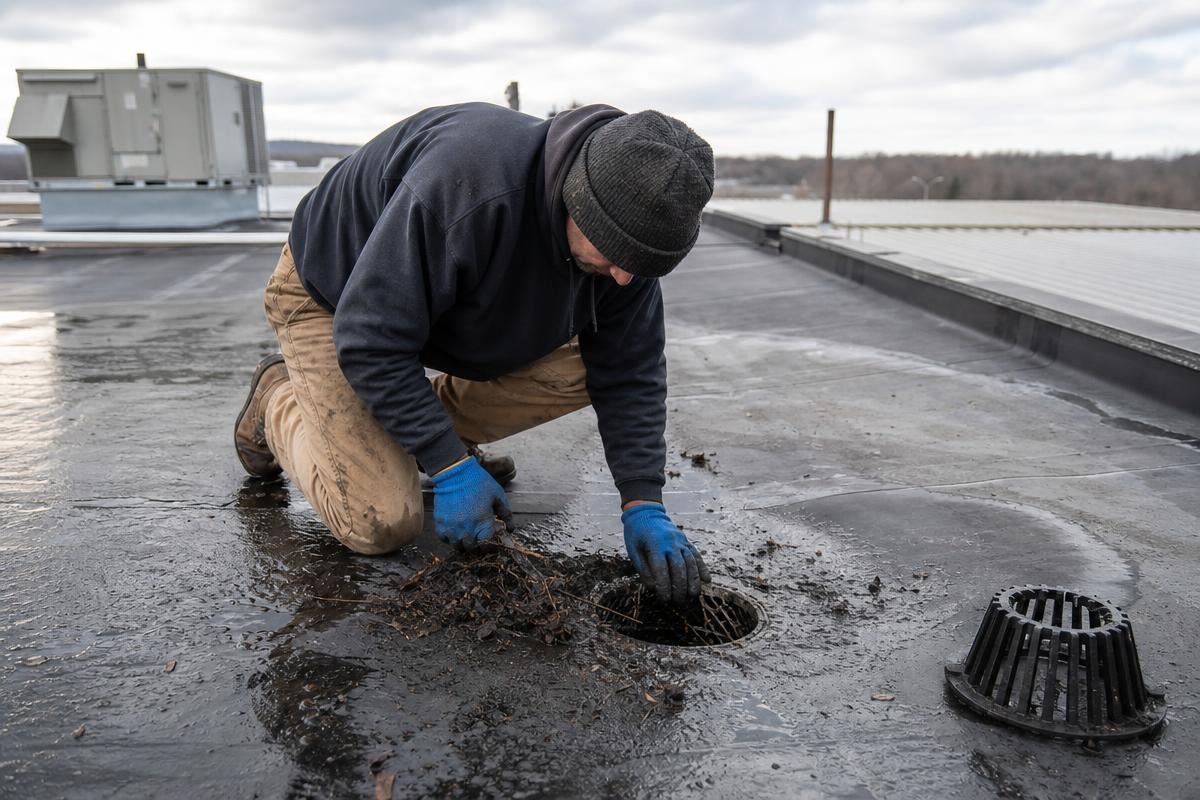
An annual professional inspection is the minimum for most commercial roofs. Spring and fall visits are often a stronger preventive schedule in Shingle Springs, with an additional inspection after significant weather, visible roof damage, or interior water entry.
- Schedule a spring inspection after the wet season.
- Remove roof-level debris and verify drain and scupper flow.
- Schedule a fall inspection before sustained rain returns.
- Review sealant, flashing, membrane, coating, and equipment-access conditions.
- Order a targeted inspection after damaging weather, rooftop contractor work, or water entry.
Spring Checks After Seasonal Weather
Spring visits focus on what winter weather left behind. Remove accumulated debris, inspect for punctures and displaced components, verify outlets are open, and look for areas where water repeatedly collects. Interior ceiling stains or moisture marks should be compared with roof conditions, since water can travel within a roofing assembly before it becomes visible below.
A professional roof inspection provides documented findings that help property owners prioritize work for the dry season rather than reacting during the next storm.
Fall Preparation Before Sustained Rain
Fall work is about preparing the roof to shed water. Clear leaves, pine needles, and windblown material from drainage components. Review sealants around penetrations, curbs, and perimeter transitions. Check edge metal, coping, and any worn coating areas that could be stressed by winter moisture.
When a Post-Weather Inspection Is Needed
Heavy rain, wind-driven debris, visible interior staining, displaced roof components, or active water entry calls for a targeted roof inspection. Do not wait for the next scheduled visit. If water is entering occupied space, arrange emergency roof repair to limit damage to ceilings, finishes, inventory, and electrical systems.
How Ponding Water, Heat, and Foot Traffic Damage Low-Slope Roofs
Ponding water, summer heat, and uncontrolled rooftop traffic can shorten the useful life of a low-slope roof. Each issue has a different cause and repair path, so a maintenance plan should distinguish between a drainage problem, a membrane problem, and damage created by equipment service activity.
What Causes Ponding Water on a Flat Roof?
Ponding water may result from blocked drains, clogged scuppers, debris dams, low areas, settlement, or inadequate roof slope. Water that remains after normal drying conditions should be assessed because it can keep seams and flashing wet, reveal drainage defects, and increase stress on vulnerable details.
Standing water is not automatically proof that a roof must be replaced. The first step is to determine whether the area drains once outlets are cleared, whether the membrane is intact, and whether the low spot is localized or widespread. Our roof coatings and waterproofing work begins with identifying the source of the problem, not applying material over concealed moisture.
Summer Heat Stresses Exposed Roof Details
Direct summer sun heats membranes, flashings, curbs, sealants, and metal edge details, then cooler conditions contract them again. Repeated movement can stress seams and transitions, particularly around rooftop equipment. Coated roofs should be checked for cracking, abrasion, thinning, and adhesion loss, while single-ply roofs should be checked for seam and flashing integrity.
Uncontrolled Rooftop Traffic Creates Avoidable Damage
HVAC, solar, and maintenance contractors should use defined access routes because repeated foot traffic can scuff coatings, puncture membranes, and disturb flashing. Damage is frequently found near equipment where tools are dragged, technicians kneel, or service work crosses seams.
Designated walk pads can help protect recurring service paths. Log equipment work and inspect affected areas afterward. This practical preventive step is especially useful for offices, retail properties, and multifamily buildings with frequent rooftop access.
Concerned about standing water after rain? Get a drainage and ponding assessment for your commercial roof.
When Can a Roof Coating Support a Maintenance Strategy?
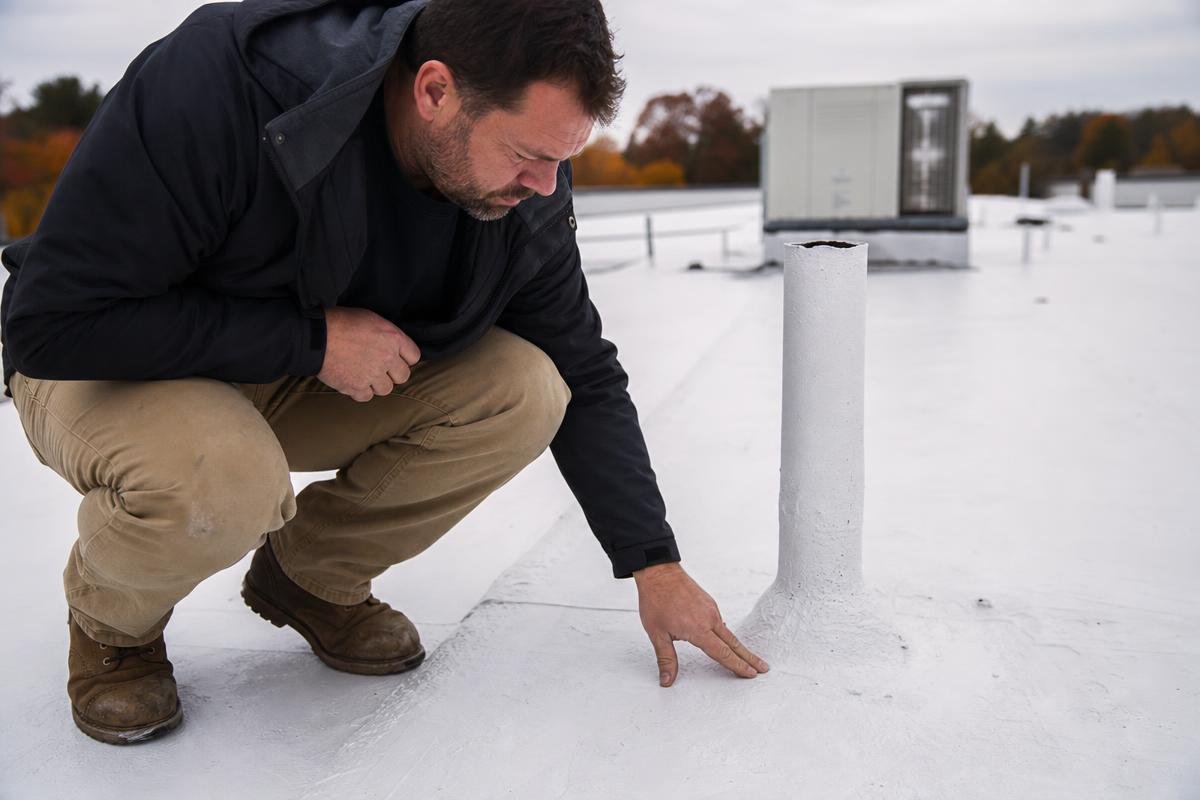
A roof coating can support a maintenance strategy when the existing roof assembly is dry, structurally sound, and still serviceable. It is not a cover-up for trapped moisture, failed seams, saturated insulation, or persistent drainage problems.
Conditions That Support a Coating Evaluation
A coating evaluation begins with substrate condition, moisture concerns, drainage, seams, flashing, penetrations, and compatibility with previous materials. Adhesion testing helps determine whether the proposed coating can bond correctly. Surface preparation, repairs, cleaning, and primer application where required must be completed before coating work begins.
Our roof coatings and waterproofing work includes reviewing coverage at transitions and detail areas, where coating performance is often decided.
Problems a Roof Coating Cannot Correct
No, a roof coating cannot solve every flat roof problem. It cannot correct trapped moisture, failed insulation or substrate, open seams, persistent drainage defects, or a roofing system at the end of its serviceable condition. Applying material over those defects can hide evidence while water damage continues below.
A coating evaluation should follow needed repairs, not replace them. Property owners with active leaks should address the source through qualified commercial roofing services before approving a coating plan.
Maintenance Still Matters After Coating Application
A coated roof still needs debris removal, outlet checks, and periodic inspection for abrasion, cracking, and thinning around seams, edges, and penetrations. Continued upkeep helps identify isolated repairs before water reaches the interior.
Need a candid coating evaluation for your commercial roof? Call (916) 888-7663.
Maintenance Priorities for Offices, Retail Buildings, and Multifamily Properties
Commercial roof preventive maintenance must account for the building's use, not only the membrane installed. A sound plan protects occupants, operations, and records needed to make informed repair decisions after a leak report or weather event.
Office Buildings Need Controlled Equipment Access
Office roofs often carry HVAC equipment, conduit, and multiple service penetrations. Require contractors to use defined walk paths, coordinate equipment work, and log roof-access events. Inspections should document flashing around each penetration, especially after HVAC service or equipment replacement.
Uncontrolled traffic can puncture a membrane or separate a seam. Our flat roofing contractor services help property owners identify access risks before a small defect reaches occupied suites.
Retail Properties Need Fast Response Planning
Retail properties need a clear response plan because ceiling leaks can damage merchandise, create slip hazards, and interrupt customer-facing operations. Inspect promptly after a reported stain or drip. Water can migrate within insulation before it appears at a ceiling tile.
Document affected areas, isolate wet merchandise zones where appropriate, and schedule targeted roof repair services before a localized issue spreads through the assembly.
Multifamily Properties Need Clear Documentation and Communication
Multifamily properties require tenant communication, common-area access planning, and recurring leak records. Record the unit number, weather conditions, leak location, photographs, and prior repair history. That information helps distinguish a roof issue from plumbing, window, wall, or mechanical-source intrusion.
Property managers should notify affected residents before roof access or interior investigation. Clear documentation helps avoid repeated repairs based on incomplete information.
Flat Roof Maintenance Considerations for Shingle Springs Properties

Shingle Springs property owners should time flat roof maintenance around the wet season, dry-season heat, and debris that can gather at scuppers, drains, gutters, and parapet corners. A well-kept condition record makes it easier to compare changes from one inspection to the next and decide whether a localized repair, restoration evaluation, or more extensive roofing work is appropriate.
Keep a Condition Record for Every Inspection and Repair
A roof inspection should produce a usable condition record, not only a verbal summary. Keep inspection dates, photos, roof-section locations, observed defects, completed repairs, and follow-up recommendations in one file. This record helps property managers track changes in membrane condition and prepare for warranty or insurance discussions with documented facts.
Escalate Active Water Entry Quickly
Active water entry, interior staining, wet insulation, or suspected roof-system damage requires prompt professional assessment. Water can travel beneath a membrane before it appears inside, which makes the visible stain a poor measure of the actual affected area. Request emergency roof repair before operations, tenant spaces, or electrical components face further exposure.
Need a documented roof-condition report for planning or an active leak concern? Contact Roof Geeks today.
Frequently Asked Questions
How Often Should a Commercial Flat Roof Be Inspected?
An annual professional inspection is the minimum. Spring and fall checks are often appropriate for commercial flat roof maintenance, especially after severe rain, windblown debris, or visible drainage problems. A scheduled flat roof inspection identifies small seam, flashing, and penetration defects before they become interior damage.
What Is Included in Flat Roof Maintenance?
Flat roof maintenance includes clearing debris, checking drains and scuppers, and inspecting seams, flashing, field membrane, and rooftop penetrations. We also document conditions with photographs and note repairs that need authorization. Those records support flat roof leak prevention and give property owners a clear maintenance history.
Is Ponding Water Normal on a Flat Roof?
No. Water that remains after normal drying conditions needs evaluation. Persistent ponding can expose drainage failures and membrane vulnerabilities, then accelerate deterioration around seams and low areas.
Do Roof Coatings Need Maintenance?
Yes. Roof coating maintenance includes checking for wear, cracking, adhesion loss, punctures, and failed details around drains and penetrations. A coating does not correct trapped water or damaged substrate beneath it, so the roofing system must be evaluated before recoating.
What Are the Early Signs of a Flat Roof Leak?
Ceiling staining, damp insulation, musty odors, bubbling finishes, and water near penetrations are early warning signs. Do not authorize a repair based only on an interior stain. Diagnosis should confirm the water entry point before work begins, since water can travel within the assembly.
When Should You Call for Emergency Roof Repair?
Call for emergency roof repair when active water intrusion threatens electrical systems, occupied spaces, inventory, ceilings, or insulation. Also call after a storm if drains are blocked, membrane damage is visible, or water is entering around curbs and penetrations. If your commercial or multifamily roof has ponding water, recurring stains, blocked drains, or visible membrane damage, call Roof Geeks at (916) 888-7663 or use our contact page to schedule an assessment. We can review roof condition, document problem areas, and recommend the right next step before water intrusion spreads.
Ready to Get Started with Roof Geeks?
Call (916) 888-7663 to speak with our team directly. Our team can inspect your flat roof, explain what we find, and recommend a maintenance plan that fits your building.
Reach out today and let's talk about how we can help.