Atmospheric river storms and offshore wind events push sustained winds above 50 mph through the foothill communities of El Dorado County, and the damage they leave behind rarely stays minor for long. A displaced ridge cap or cracked tile becomes a point of entry for water within hours, and interior damage follows fast. Roof Geeks is located at 4261 Sunset Ln Ste 201, Shingle Springs, CA 95682, serving Shingle Springs, Cameron Park, and the surrounding El Dorado County communities. We handle storm damage roof repair throughout the county and the greater Sacramento region, from initial inspection through completed repairs and insurance claim documentation.
Storm damage moves fast. Get a professional inspection before the next weather system arrives.
Key Takeaways
- Storm damage roof repair should begin with a professional inspection before any interior repairs are started.
- Wind-uplift shingle failures and ridge cap displacement are the most common storm damage issues in Shingle Springs and El Dorado Hills.
- Prompt temporary weatherproofing after a storm may help limit secondary water intrusion and preserve documentation for an insurance claim.
- Roof replacements in some El Dorado County wildland-urban interface zones may need to meet Class A fire-resistance requirements, depending on the property and project scope.
- Documenting damage thoroughly before cleanup begins can help support the insurance claim process.
What Does Storm Damage Actually Do to a Roof System?
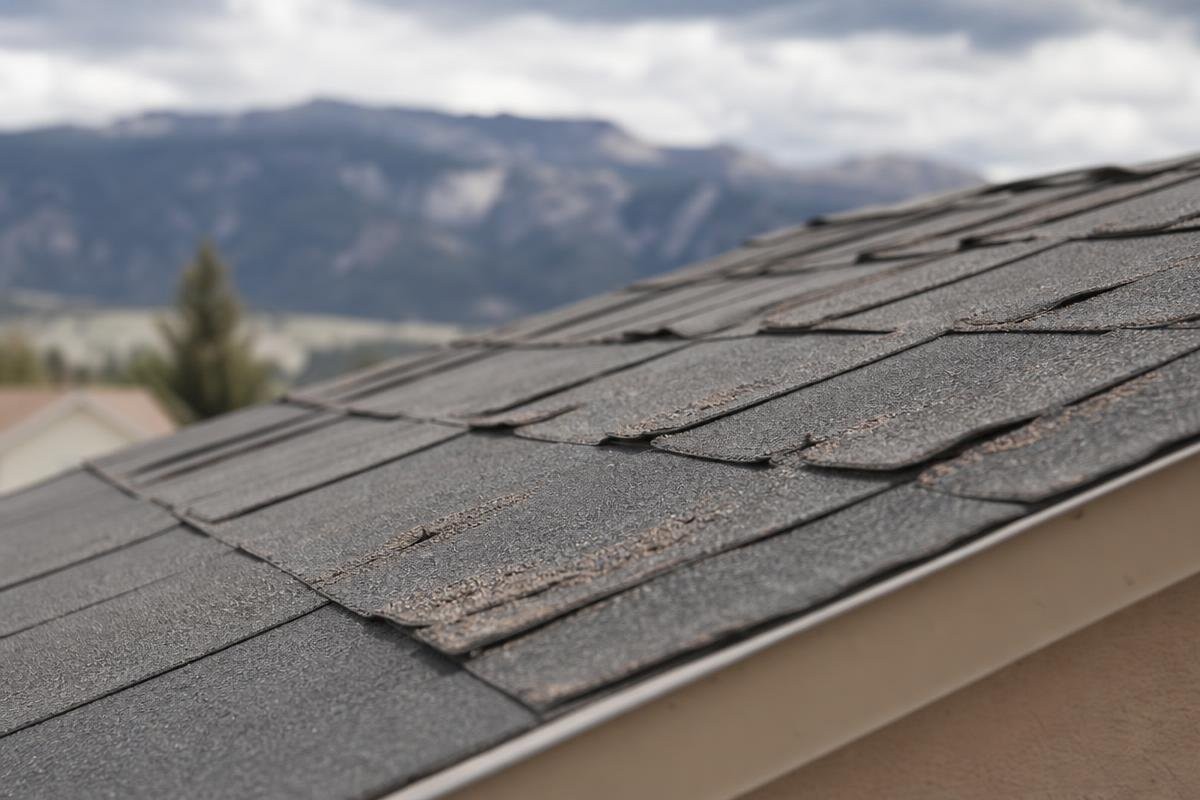
Storm damage attacks a roof in three ways at once: wind uplift breaks the shingle seal, impact loads fracture the surface, and debris strikes punch straight through the deck. From the ground, none of it looks serious, and that gap between appearance and actual structural condition is exactly where costly failures begin. Seasonal storm systems that move through the El Dorado foothills can produce strong winds and impact damage that may compromise watertight integrity before a leak appears inside the property.
Wind Uplift and Shingle Loss
Those same wind speeds generate negative pressure at roof edges and ridges, pulling upward against the underside of tab shingles rather than simply pushing across the surface. This uplift force breaks the manufacturer-specified adhesive seal strip that bonds each shingle tab to the course below it, allowing tabs to lift, fold back, or detach entirely and expose the underlayment and OSB deck to direct water infiltration. Strong offshore wind events can place significant stress on shingles, particularly at foothill elevations.
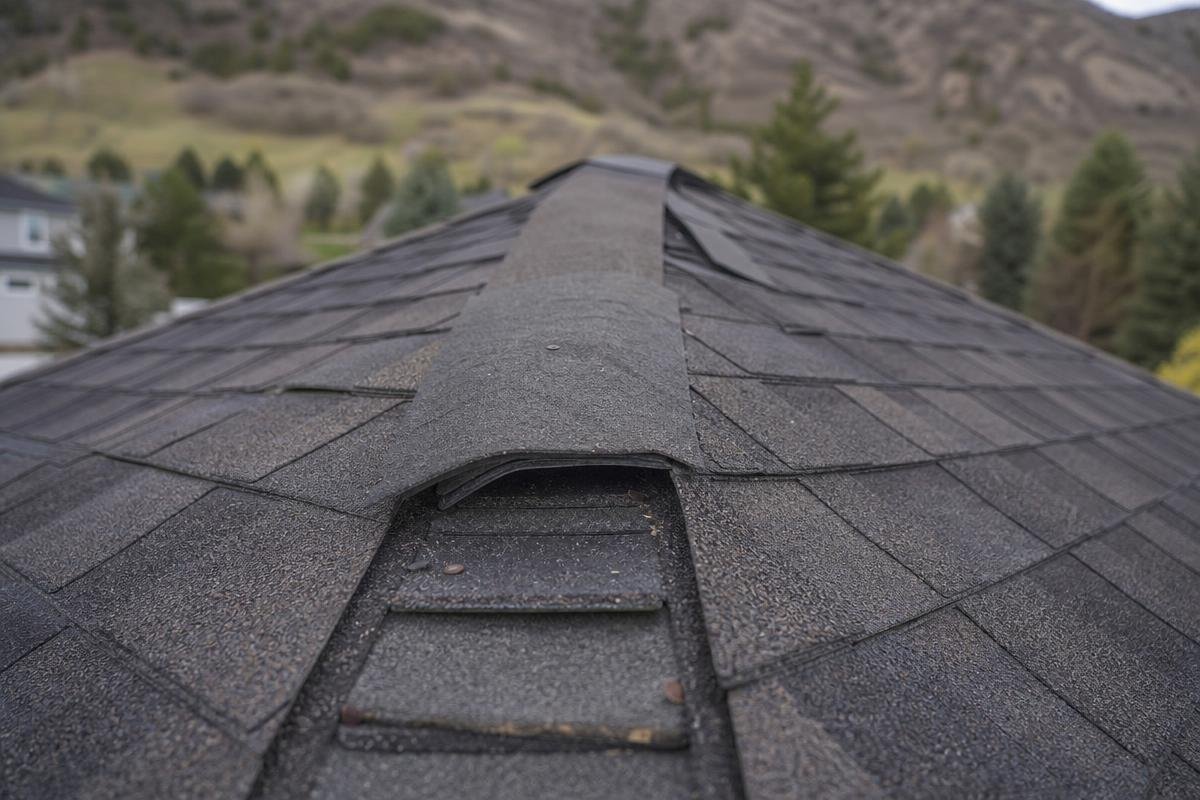
Ridge caps are particularly vulnerable because they sit at the highest-pressure zone on the roofing system. Once a ridge cap displaces, the exposed deck joint becomes a direct point of entry for wind-driven rain during the same storm event or the next one.
Hail Impact: Granule Loss and Bruised Substrates
Hailstones one inch or larger displace granules from asphalt shingles on contact, stripping the protective surface layer and leaving the fiberglass mat exposed to UV degradation. More critically, each impact bruises the asphalt coating beneath the granule layer, creating micro-fractures that allow water migration even when the shingle appears intact from street level.
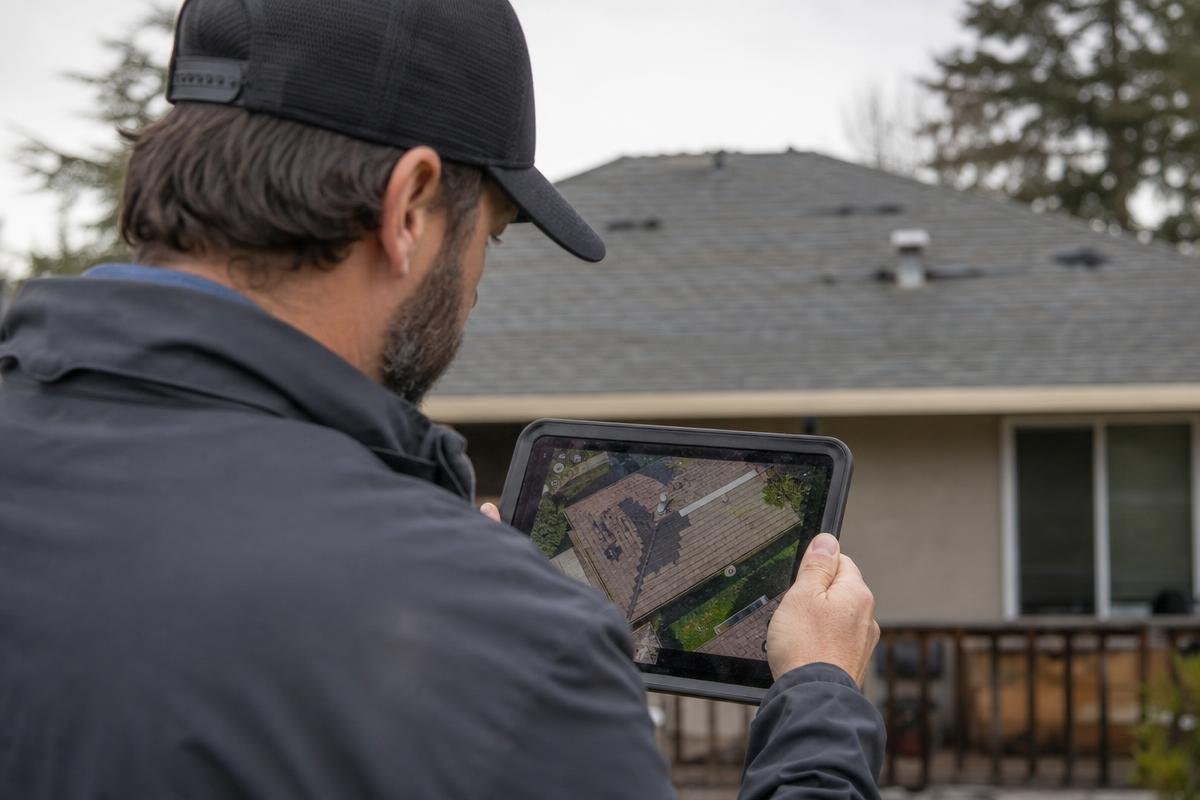
Ground-level inspection cannot reliably detect bruise patterns across a full roof plane. Our technicians use drone imaging to document hail impact distribution across every roof section, and the property owner receives a timestamped, high-resolution photo set along with a written report that supports both the repair scope and the insurance claim. For properties where replacement becomes necessary, Class A fire-resistance requirements may apply in some Wildland-Urban Interface zones, so material selection should be reviewed early. Our team covers fire-resistant roofing options for Shingle Springs homes in detail for property owners evaluating replacement materials.
Falling Debris and Puncture Damage
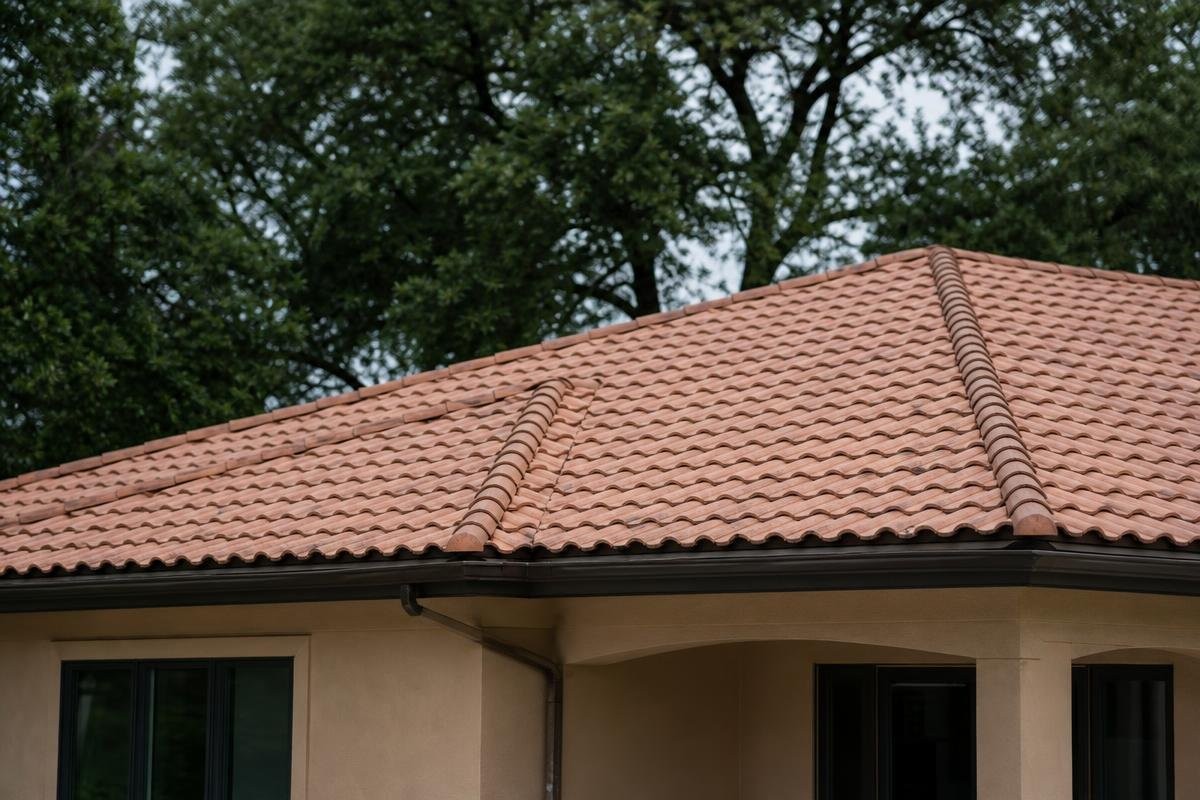
Mature blue oak, valley oak, and ponderosa pine throughout the area create a significant debris load during high-wind events. A branch strike can fracture concrete or clay tile, crack ridge caps, or drive straight through asphalt shingles and underlayment in a single impact, opening the deck to immediate water infiltration.
Puncture damage from branch strikes is often irregular in shape and easy to miss without a close-up inspection of every roof plane. Our crews treat any post-storm debris strike as a potential emergency roof repair situation until the deck is confirmed intact.
What Should You Do in the First 24 Hours After Storm Damage?
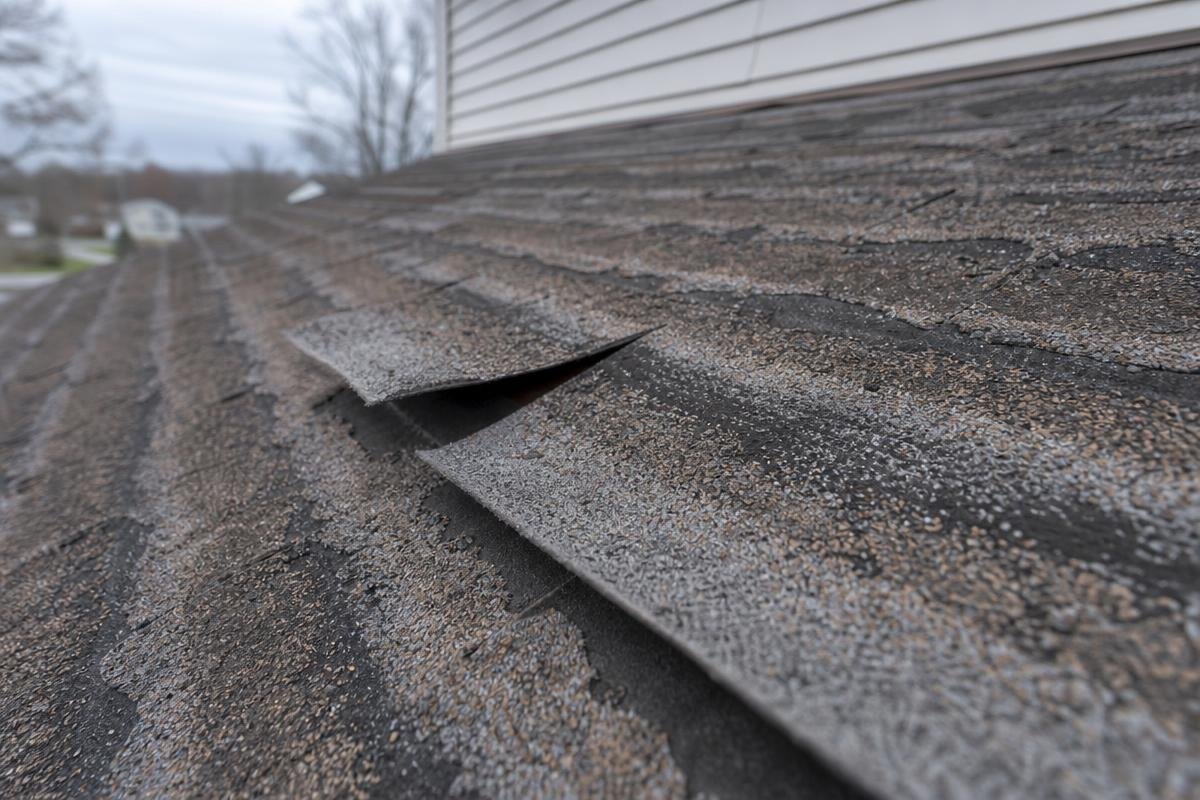
In the first 24 hours, work through four steps in order: inspect from the ground, document everything, stop active water intrusion with tarping, and notify your carrier. Taking prompt, safe steps can help limit secondary water damage and support the claims process. Each step below serves a practical purpose.
Step 1: Stay Off the Roof and Inspect from the Ground
A wet or compromised roof deck is a fall hazard. Winter storm events that push through the foothill corridor leave surfaces slick and structural members potentially weakened by impact or saturation.
Ground-level inspection with binoculars can identify missing shingles, displaced ridge caps, visible deck exposure, and gutter damage without any fall risk. Walk the full perimeter of the structure and note every point of concern before anyone sets foot on a ladder.
Step 2: Document All Visible Damage Before Touching Anything
Insurance carriers require pre-remediation photo and video documentation from multiple angles. Disturbing the damage site before documentation is complete may complicate the claims process.
Shoot video from ground level, capture close-ups of displaced roofing material, and photograph gutter damage, debris accumulation, and any interior water staining. Timestamp every file. Do not move debris or attempt repairs until this step is finished.
Step 3: Stop Active Water Infiltration with Emergency Tarping
In the western Sierra Nevada foothills, the next storm system can arrive within hours of the first. Active water infiltration during an ongoing atmospheric river event causes damage that compounds by the hour.
Emergency tarping may use polyethylene sheeting secured to help limit wind displacement and reduce water entry over exposed roof sections. Roof Geeks may be able to provide emergency tarping when storm conditions allow safe crew access.
Step 4: Notify Your Insurance Carrier and Schedule a Professional Inspection
Many carriers encourage prompt loss reporting after a storm event. Delayed reporting may complicate the claims process, depending on the policy.
Contact your carrier immediately, then schedule a professional inspection at the same time. Our team coordinates directly with insurance adjusters and provides itemized damage documentation that closes the gap between what a carrier offers and what a repair actually costs. Start with our storm damage roof insurance claims page to understand what that process involves before your adjuster arrives.
Get your damage documented before the next system arrives. Our crew delivers a carrier-ready inspection report from the first visit.
Why Delaying Storm Damage Repairs Multiplies the Cost
A single displaced shingle or cracked tile may look minor the morning after a storm. Within days, that small breach can trigger a chain of structural failures that costs far more to fix than the original damage ever would have.
Water Migration and Roof Deck Deterioration
Water entering through a breached shingle layer does not travel straight down. It wicks laterally along the roof deck, saturating OSB or plywood sheathing across an area many times larger than the original point of entry. In the foothill communities around this region, post-storm humidity stays elevated for days, and saturated decking can deteriorate over time if the breach is not addressed.
Storm systems that track through this area rarely arrive alone. A second event can push additional water into an already compromised deck before a property owner has even scheduled an inspection, compounding the damage with each wet-season event.
Mold Colonization in Attic Cavities
Moisture reaching the attic cavity can create conditions that support mold growth on rafters, ridge boards, and insulation batts over time. The longer storm damage goes unaddressed, the more extensive related remediation may become, and insurance coverage can depend on the policy and the circumstances of the loss.
This risk is not abstract in the Sierra Nevada foothill zone. The combination of warm attic air and post-storm moisture creates a mold window that closes only when the roofing system is restored to watertight integrity.
How Storm Damage Roof Repair Is Scoped When a Minor Fix Becomes a Full Replacement
A localized shingle failure that costs a fraction of a full replacement to address can, if left unrepaired through one additional wet season, result in deck rot extensive enough to require full tear-off and re-decking before any new roofing material can be installed. At that point, the property owner is looking at a cost profile closer to a complete new roof cost than a simple patch repair. Our team documents damage scope at every inspection so property owners see exactly what immediate repair costs versus what delay costs, in writing, before making any decision.
How Our Team Conducts a Storm Damage Inspection
A visual check from the ground misses the damage that drives insurance claims. Our team conducts a structured, component-level inspection of each residential roofing system that documents every failure point in a format carriers accept for claim submission.
Drone-Assisted Documentation
Post-storm foot traffic on steep-pitch roofs is a genuine safety hazard, particularly on surfaces covered with wet debris, pine needles, or broken tile fragments common throughout the foothill corridor. Our technicians deploy an FAA Part 107-compliant drone operation to capture high-resolution imagery of all roof planes in a single site visit, documenting hail bruise patterns, granule displacement zones, and branch-strike impact points across the full roofing system without exposing crew or property owner to fall risk. The property owner receives the captured images as a timestamped PDF report suitable for direct adjuster review.
One customer review noted that our inspector "surveyed the roof which included flying a drone over the home to take pictures and high resolution images." That imagery becomes the photographic record that supports every line item in the insurance submission.
Component-by-Component Assessment
Our technicians assess each roofing component against manufacturer-specified performance criteria and California Title 24 requirements. The inspection covers primary roofing material (asphalt shingles, tile, or metal panels), step flashing and counter-flashing at all penetrations and wall junctions, ridge cap condition, valley flashing, and attic ventilation components for debris blockage. Branch debris from the oak and pine canopy in this area frequently causes impact dents and gutter separation, so our team also documents gutter repair needs as part of the same assessment.
Written Scope of Loss for Insurance Submission
A verbal summary does not satisfy an insurance carrier. Our technicians produce a written scope-of-loss document that itemizes every damaged component, the repair or replacement action required, and full material specifications, formatted for direct submission to the property owner's carrier. This document removes ambiguity from the claim and reduces the back-and-forth that delays repair authorization.
Schedule your storm damage inspection with our team today. Call (916) 888-7663 and get a documented assessment ready for your insurance carrier.
Navigating the Insurance Claim Process After Storm Damage
A denied or underpaid claim is one of the most common financial setbacks a property owner faces after a major storm event. Understanding how California carriers evaluate damage, and having proper documentation ready from the start, directly affects the settlement outcome.
What Insurance Carriers Look For
California homeowners insurance carriers evaluate storm damage claims on three primary factors: cause of loss, date of the storm event, and evidence that the damage is storm-caused rather than pre-existing deterioration. Carriers routinely deny claims where missing granules, cracked shingles, or compromised flashing can be attributed to age or deferred maintenance rather than a specific wind or hail event.
This distinction matters in foothill communities like Cameron Park, where seasonal storm systems and offshore wind events produce sudden, verifiable damage alongside roofing systems that were already showing wear. Our technicians document storm-specific failure patterns, including impact strike patterns from hail, directional shingle displacement consistent with wind uplift, and branch-strike fractures on tile fields, all of which support a cause-of-loss argument that separates fresh damage from ordinary deterioration. For a full breakdown of what our storm damage roof insurance claims process covers, visit that service page before filing.
Working with the Adjuster
An insurance adjuster working alone on a roof inspection may not document every secondary damage item. Step flashing failures at wall intersections, gutter impact damage, and attic ventilation blockage caused by debris intrusion are common items that go undocumented without a roofing technician present.
Our team is available to meet the adjuster on-site, bringing drone imagery, a written scope of loss, and component-level damage documentation. This direct coordination gives the adjuster a complete picture of the roofing system failure rather than only the surface-visible items, which reduces the chance of a settlement that leaves secondary repairs uncovered.
When a Claim Is Denied or Underpaid
If a carrier denies a claim or issues a settlement that does not cover the documented scope of loss, the property owner may consider requesting a re-inspection or consulting a qualified public adjuster or insurance attorney. Our technicians provide the technical documentation those professionals require, including annotated drone imagery, material-level damage logs, and a written scope of loss tied to specific storm event dates.
For general information about filing or appealing a claim, consult your insurer or an appropriate licensed professional. Acting quickly can help preserve a clear documentation record for the claims process.
Storm Damage Roof Repair in Shingle Springs: Local Conditions That Make This Market Different
Foothill communities at roughly 1,200 feet elevation face storm conditions that Sacramento Valley neighborhoods simply do not. Roofing systems here absorb punishment from atmospheric river events, heavy canopy debris, and fire-zone code requirements that combine to make storm damage roof repair in Shingle Springs a distinctly different job than work performed closer to the valley floor. Roof Geeks works this terrain daily from our Sunset Lane base, so we scope repairs against the conditions that actually cause failures at this elevation.
Atmospheric River Events and Wind-Driven Rain
Storm systems tracking inland from the Pacific coast can bring heavy rainfall and strong wind gusts to the western Sierra foothills. That combination drives water horizontally beneath ridge caps and improperly seated step flashing, a failure mode that vertical rain loads alone would never expose. Our crews see this pattern repeatedly after major weather events across the Auburn and Roseville corridors as well as in the communities closer to our base.
Oak and Pine Canopy Debris Loads
Mature oak and ponderosa pine stands throughout this area generate debris loads during wind events that far exceed what roofing systems in the flatter, less-wooded valley neighborhoods face. Branch strikes on concrete and clay tile are particularly destructive because tile is brittle: a single impact can fracture multiple field tiles and crack the mortar bed beneath, opening several points of entry for water. Asphalt shingle systems suffer impact bruising that weakens the mat without always producing visible surface damage, which is one reason a post-storm inspection matters even when a roof looks intact from the ground.
WUI Zone Roofing Requirements After Storm Damage
Portions of this foothill area fall within fire hazard severity zones where the wildland and urban landscapes meet, and those designations carry real code consequences. When storm damage requires partial or full re-roofing, Class A fire-resistance requirements may apply under state and local rules, depending on the property and project scope. Our team is familiar with El Dorado County permit requirements and WUI compliance standards, and our installers source manufacturer-specified fire-rated assemblies that may help meet applicable building requirements. Property owners should confirm insurance requirements with their carrier. Property owners planning repairs in these zones should review what El Dorado County homeowners need to know about WUI roofing requirements and consult our guide to fire-resistant roofing options for Shingle Springs homes before selecting replacement materials.
Frequently Asked Questions
How quickly should storm damage repairs be completed?
Emergency tarping and temporary sealing should be arranged as soon as conditions safely allow. Permanent repair timing depends on claim complexity and material availability. A second wet-weather event before permanent work is complete substantially expands the remediation scope and cost.
Does homeowners insurance cover storm damage to my roof?
Some California homeowners policies may cover damage caused by wind, hail, and falling objects when the damage is sudden and accidental rather than the result of deferred maintenance. Coverage varies by policy, so property owners should review their policy and consult their insurance professional. Roof Geeks can provide itemized scope-of-loss documentation to support a storm damage roof insurance claim. Property owners may also be responsible for their policy deductible.
How do I know if I need a repair or a full roof replacement?
Localized failures affecting one or two roof planes typically qualify for targeted repair without disturbing undamaged sections. Full replacement is warranted when damage spans multiple planes, when existing roofing material has reached end of service life, or when deck boards have sustained structural damage requiring full tear-off. Our team presents both options with supporting photo documentation at inspection. Before signing any contract, review questions to ask a roofer to make sure you have the full picture.
Do you provide emergency roof repair after hours?
Our team may be available to respond to active leaks and severe structural damage, including after-hours tarping during ongoing storm events, subject to safe conditions. Foothill communities near Auburn and Rescue face rapid storm escalation, and waiting until business hours is not always an option. Visit our emergency roof repair services page for details on how to reach us when weather conditions are actively worsening.
Why use drone inspection instead of a standard roof walk?
Steep-pitch roofing common in foothill communities creates real safety risk for post-storm foot traffic on wet or debris-covered surfaces. Where applicable, our drone inspections can capture high-resolution imagery of hail bruise patterns, granule displacement zones, and flashing concerns around chimneys and dormers that may be difficult to document from the ground. That imagery becomes part of the claim file your carrier reviews.
Will filing a storm damage claim raise my insurance premium?
Premium impact at renewal depends on the policy, carrier, and claim history. Property owners should consult their insurance agent before filing to weigh premium exposure against out-of-pocket repair cost. Our technicians can provide a repair estimate first so that comparison is based on real numbers, not guesswork.
A storm-damaged roof does not improve on its own. Every day without a temporary barrier is another day water works deeper into your deck, your insulation, and your attic framing. Call Roof Geeks at (916) 888-7663 to schedule a drone-assisted storm damage inspection. Our team serves Roseville, Folsom, Auburn, Sacramento, and communities throughout the greater Sacramento region. We carry the documentation your insurance carrier needs from the first site visit, so your claim starts on solid ground.
Ready to Get Started with Roof Geeks?
Call (916) 888-7663 to speak with our team directly. We're ready to answer your questions, walk you through your options, and help you find the right solution for your needs. Whether you're just starting to plan or ready to move forward, we'll make the process simple and stress-free.
Reach out today and let's talk about how we can help.