Roofing prices can feel like a moving target. One contractor gives you a quote. Another comes in significantly higher. A neighbor mentions they paid something entirely different. All three figures might be accurate for entirely different projects, and that range is part of what makes roof replacement one of the more confusing home improvement conversations a Sacramento homeowner can have.
The wide spread in pricing is real and explainable. A straightforward roof replacement on a small single-story ranch with a simple roofline and standard architectural shingles is a very different project from a two-story home with multiple valleys, dormers, steep pitch, and a concrete tile system. Both are roof replacements. Their costs are not close to each other.
This post breaks down what Sacramento-area homeowners are actually paying in the current market, why prices vary the way they do, and what specific factors will push your particular project toward the lower or higher end of the range.
The Honest Price Ranges for Greater Sacramento
Current pricing for a complete roof replacement in the Greater Sacramento area, including the Sierra foothills communities of El Dorado County, reflects Northern California's labor costs, material pricing, and California's permitting and building code requirements. The following ranges reflect full replacement projects, including tear-off of the existing roof, new underlayment, and all labor and materials.
For an average Sacramento home with a roof area of roughly 1,500 to 2,500 square feet, here is what current projects are realistically costing by material:
Architectural asphalt shingles are the most commonly installed material and carry the most accessible price point. A typical Sacramento-area home with architectural shingles is among the more accessible options. Smaller homes with simple rooflines will come in at the lower end of the range, while larger homes or those with complex geometry will be higher. Contact Roof Geeks for an accurate estimate for your specific home.
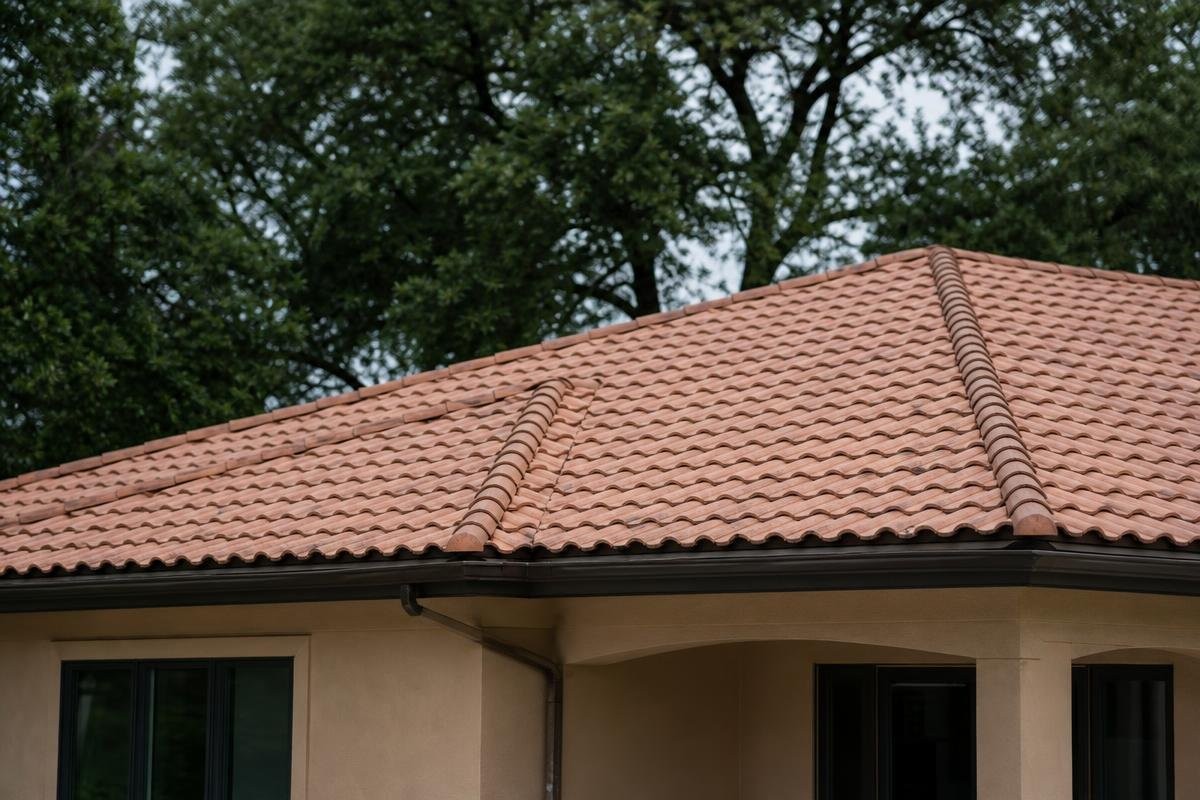
Concrete tile, which is common throughout Sacramento's suburban neighborhoods built in the 1990s and 2000s, is a mid-to-upper tier investment for a complete replacement on an average-sized home. The material itself costs more than asphalt, installation requires more labor time, and the heavier weight of tile means structural adequacy of the supporting framing must be confirmed.
Clay tile, which offers a longer service life and a more traditional aesthetic than concrete, represents a premium investment depending on home size and complexity. The premium reflects both material cost and the specialized installation skill clay tile requires.
Metal roofing, specifically standing seam steel or aluminum systems, carries a higher upfront cost than asphalt shingles but offers significantly longer service life and lower maintenance over time. Metal shingle and shake panel products that approximate the look of traditional materials tend to be comparably priced. The higher initial cost relative to asphalt shingles is offset over time by significantly longer service life and lower maintenance requirements.
Flat roofing systems, common on commercial properties and some residential additions or modern-style homes, vary considerably by membrane type and roof area. Most residential flat roofing projects vary considerably by square footage and the membrane product specified. Contact Roof Geeks for a scoped estimate.
These are complete project ranges, not per-square-foot estimates intended to be multiplied out at home. They reflect the total investment Sacramento homeowners are making in real current projects.
Why Labor Accounts for Such a Large Share of the Cost
One of the most common points of confusion in roofing quotes is understanding why labor is such a substantial component of the total cost. In Northern California, labor typically accounts for 40 to 60 percent of a complete roofing project. For many homeowners accustomed to thinking of roofing primarily as a materials cost, this ratio feels surprising.
Several factors explain it. California requires roofing contractors to hold a C-39 license, which demands demonstrated competency and creates a credentialed labor pool with corresponding wage expectations. Skilled roofing crews in the Sacramento market work at rates appropriate to the local cost of living and the physical demands of the trade. Safety requirements for work on pitched surfaces add time to any project compared to low-slope commercial work.
The labor intensity also increases significantly with roof complexity. A simple two-plane gable roof with straightforward access requires far fewer crew hours per square foot than a roof with eight valleys, dormers, multiple roof planes at varying pitches, and tight access around additions. The materials cost difference between these two projects is modest. The labor cost difference is substantial.
The Factors That Move Your Price Up or Down
Understanding what drives the specific cost of your project is more useful than knowing the general range. Here are the primary variables that will determine where your project lands.
Roof Size
This is the most fundamental driver of cost. Roofing is priced in squares, where one square equals 100 square feet of roof area. The total square footage of your roof is determined by your home's footprint but also by your roof's pitch. A steeper pitch means more actual roof surface area relative to the home's footprint, which means more material and more labor time.
A 2,000-square-foot home with a low-slope roof might have 2,200 to 2,400 square feet of actual roof area. The same footprint with a steep 10:12 pitch could have 3,000 or more square feet of roof surface. That difference has a direct and proportional effect on material cost and a meaningful effect on labor cost.
Roof Pitch and Complexity
Pitch affects cost in two ways. First, it increases the total roof area as described above. Second, it increases the labor intensity of the installation. The industry typically begins applying pitch surcharges at slopes above 7:12, and the surcharge increases progressively with steepness. Roofs steeper than 8:12 require additional safety equipment, slower careful installation, and more labor hours per square than low- or moderate-slope work.
Complexity adds cost through a similar mechanism. Each valley, hip, ridge, dormer, chimney, vent penetration, and skylight requires precise cutting, custom flashing fabrication, and careful integration work. A simple hip or gable roof with two or four planes costs less to install than a complex roofline with ten planes, six valleys, and multiple penetrations, even when the square footage is identical. Complexity from multiple valleys and chimneys can add 10 to 20 percent or more to the base project cost.
Tear-Off and Existing Conditions
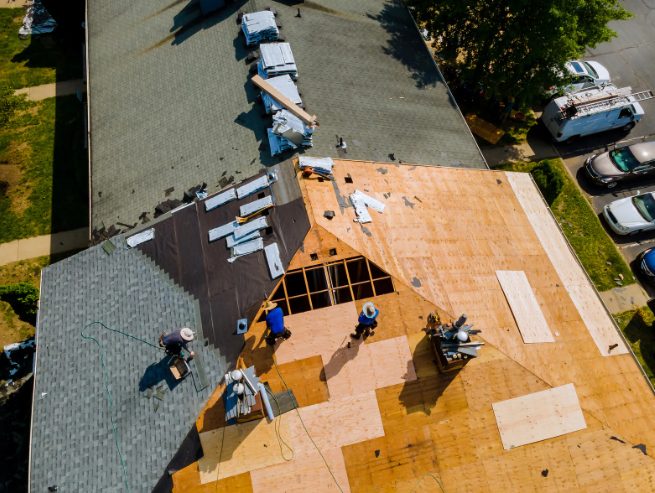
California building code limits the number of roofing layers that can be installed over existing material. If your home already has two layers of shingles in place, a full tear-off to bare decking is required before a new system can be installed. Tear-off adds to the project cost depending on the number of layers, the weight of the material being removed, and disposal fees.
The condition of the decking revealed during tear-off is one of the most significant variables in a Sacramento-area roofing project. Dry rot in roof decking and framing is extremely common in the region's aging housing stock, the result of years of deferred maintenance, flashing failures, or inadequate ventilation that allowed moisture to accumulate in the structure. When dry rot is found during tear-off, affected sheathing sheets need to be replaced before the new roof system is installed. Replacing individual damaged decking sheets adds to the project scope and will be outlined clearly in the contractor's estimate. In cases where rot is widespread or extends into the framing, the scope and cost can expand considerably.
Reputable contractors will warn homeowners upfront that some wood repair may be discovered during tear-off and will price this contingency into the conversation so it is not a complete surprise when it arises. A quote that makes no mention of potential decking repair is a question worth raising.
Material Quality Within Each Category
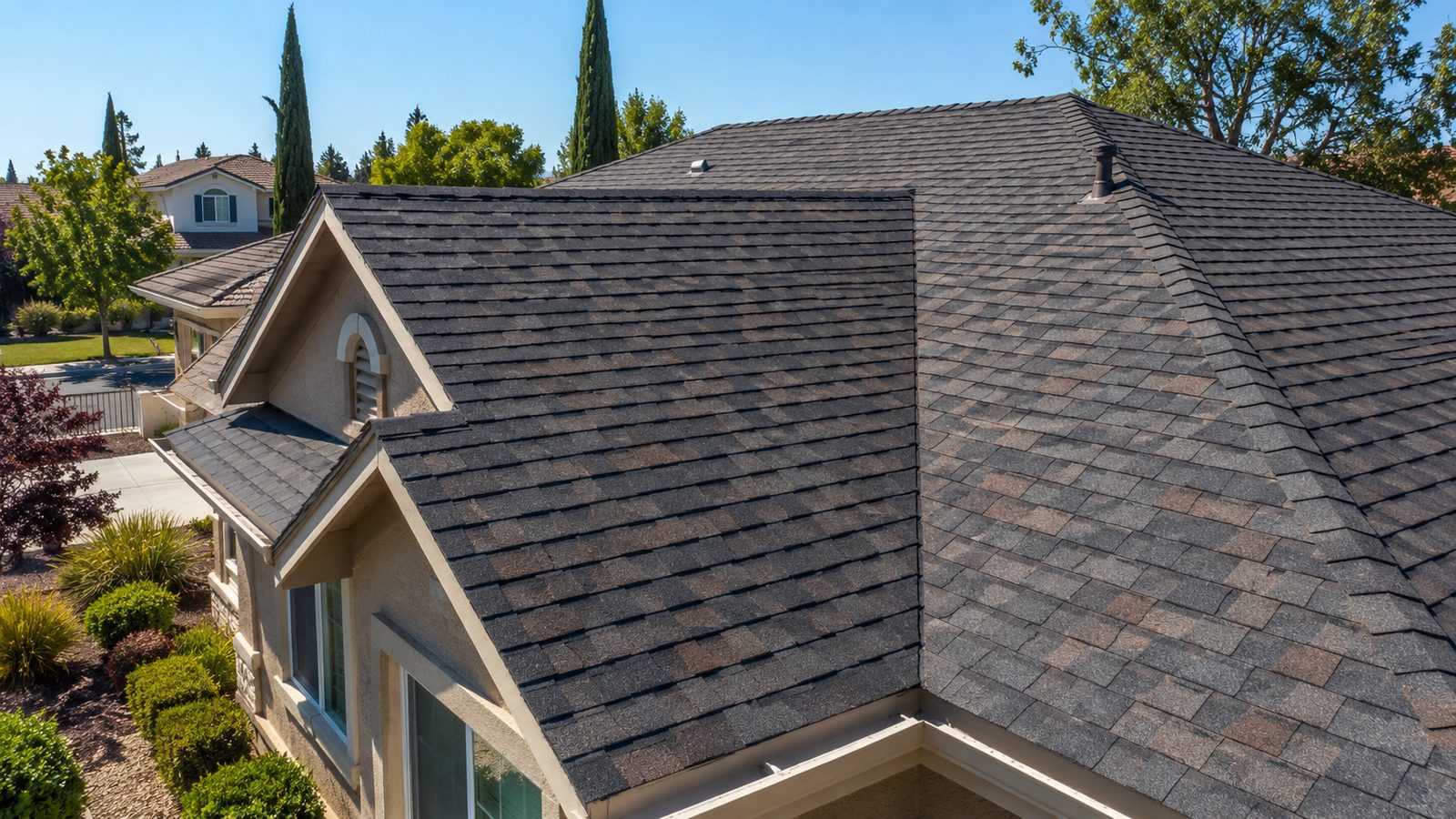
Within any material category, there is a meaningful quality spectrum. For asphalt shingle roofing, the difference between standard architectural shingles and premium designer shingles from the same manufacturer can represent a 20 to 40 percent increase in material cost. Premium products offer heavier backing, higher-density granule coatings, and UV-resistant formulations that deliver real but incremental lifespan gains under Sacramento's intense summer sun.
For metal roofing, the gauge of the steel or aluminum, the quality of the paint or coating system, and whether the system uses exposed or concealed fasteners all affect both cost and long-term performance. A standing seam system with concealed fasteners and a premium PVDF coating costs more upfront than a screw-down metal panel, but delivers better performance and lower long-term maintenance.
For tile roofing, concrete and clay represent different price tiers, but even within concrete tile, product quality varies meaningfully by manufacturer and line. The underlayment specified beneath tile is equally important because it is what actually waterproofs the assembly, and premium underlayment products appropriate for a system intended to last 30 or more years cost more than basic products.
Permits and California-Specific Requirements
Every roof replacement in the Sacramento area requires a permit. Permit fees vary by municipality, with Sacramento, Roseville, Folsom, El Dorado Hills, and surrounding communities each having their own fee schedules and inspection requirements.
California's Title 24 energy efficiency standards may require that certain cool roof criteria be met, particularly when replacing roofs on existing conditioned spaces. For homes in designated fire hazard zones, including much of El Dorado County, materials must meet Class A fire rating requirements and the installation must comply with California's Chapter 7A wildfire-resistant construction standards. These requirements are not optional and are factored into any legitimate contractor's quote.
Ventilation Upgrades
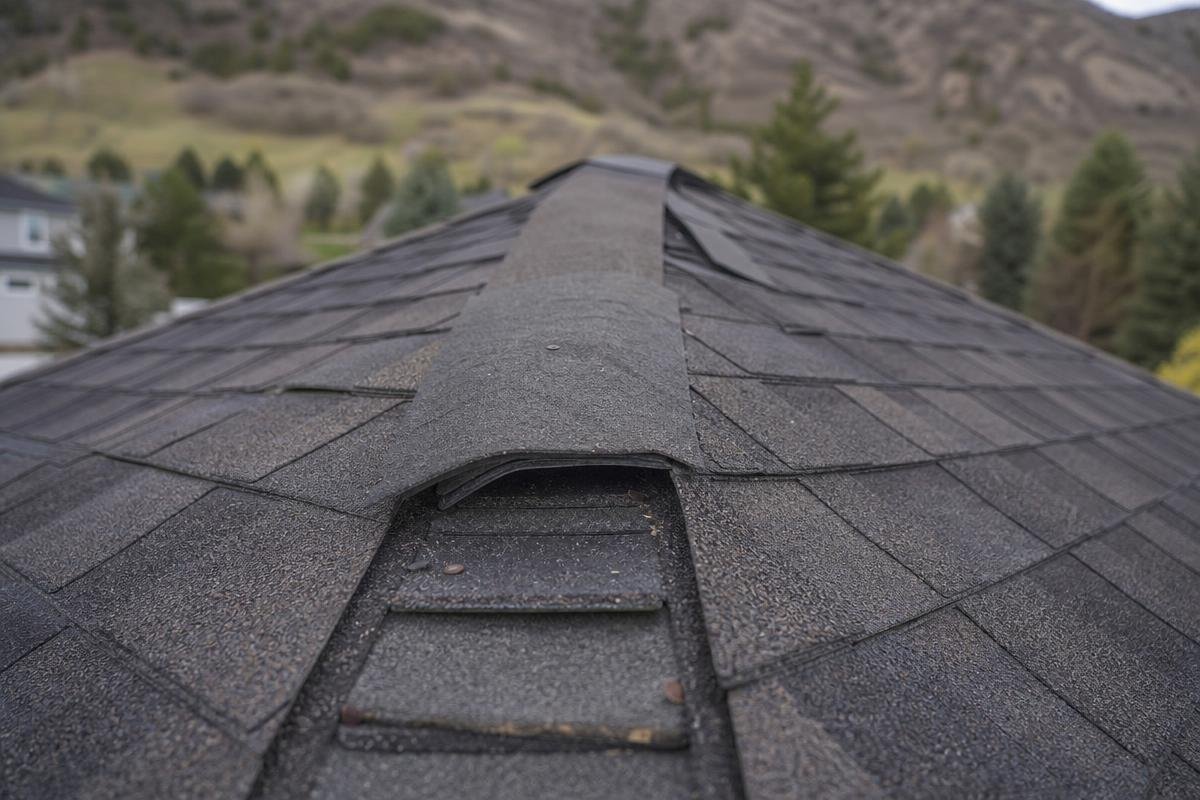
A complete roof replacement is the appropriate time to evaluate whether the attic ventilation system is adequate. Inadequate ventilation shortens roof lifespan significantly in Sacramento's high-heat environment and in some cases voids manufacturer warranties. If the existing ventilation configuration is undersized or improperly balanced, installing ridge vents, adding soffit intake vents, or addressing blocked ventilation pathways adds to the project cost but protects the investment in the new roof system.
Many homeowners are surprised to find that ventilation work is part of a thorough contractor's scope and not an upsell. A new roof installed on top of an inadequate ventilation system will begin degrading from below through the same thermal mechanism that was damaging the old roof.
What Separates a Lower Quote from a Higher Quote on the Same House
If you receive multiple quotes on the same project and they differ by thousands of dollars, the first question is not which contractor is overcharging. It is what each contractor is actually including.
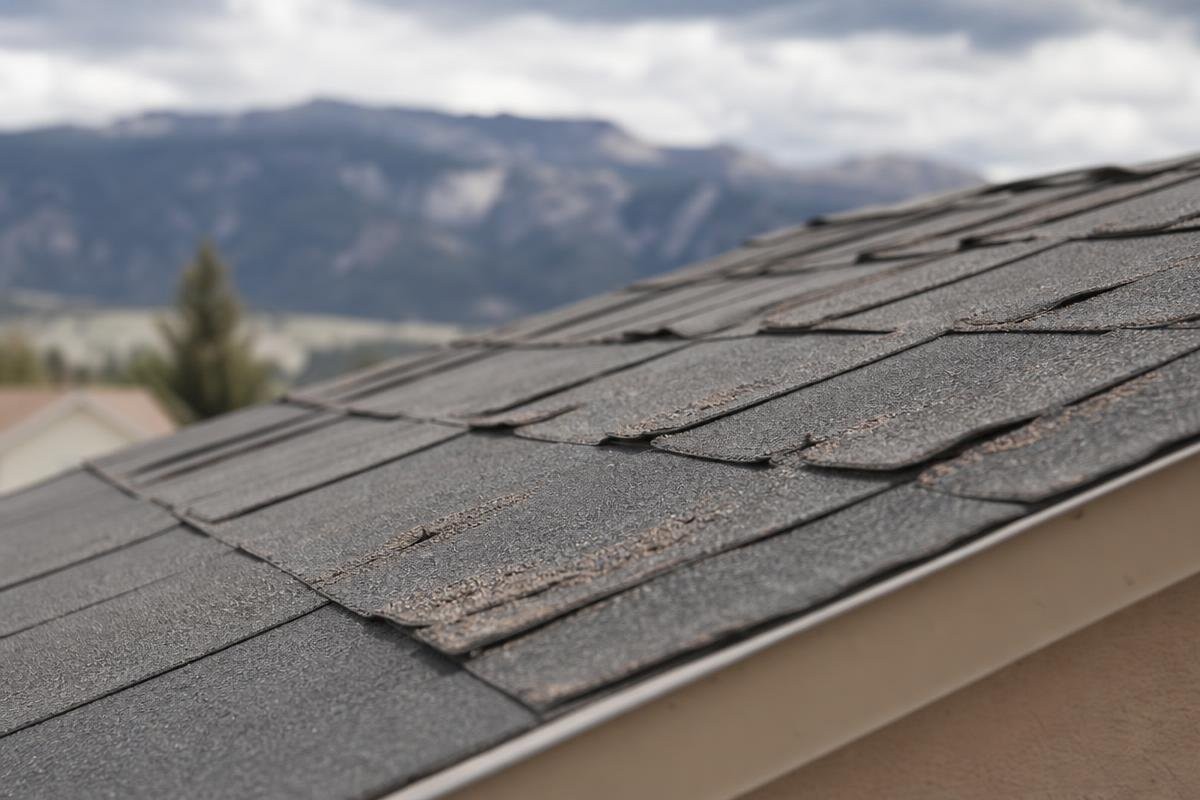
Lower quotes frequently reflect one or more of the following: standard shingles versus a better-performing product the competitor has specified, an overlay installation rather than full tear-off, exclusion of permit costs from the quote, less robust underlayment, minimal ventilation work, or a labor cost structure that reflects less experienced or improperly credentialed crews. A quote that looks attractive on a spreadsheet may deliver a roof that begins showing problems in year eight instead of lasting the 22 to 25 years a properly specified and installed architectural shingle system should deliver in this climate.
The most important questions to ask any contractor presenting a quote are: Does this price include permit fees? What underlayment product is specified? What warranty does the shingle carry and what workmanship warranty do you provide? Is tear-off included? How is potential decking damage handled? Is ventilation evaluated and addressed as part of this scope?
A professional roof inspection before replacement helps establish the full scope of what a thorough replacement project should include, which gives you a basis for evaluating whether a lower quote is legitimately competitive or is simply omitting scope.
When Does Financing Make Sense?
Roof replacement is one of the larger unplanned expenses a homeowner can face. Many Sacramento-area contractors offer financing options that allow the project cost to be spread over monthly payments. For homeowners whose roof has reached the end of its service life and is producing leaks or approaching systemic failure, financing a replacement is often more financially sound than continuing to invest in repairs on a failing system.
The calculus is straightforward: if a roof is generating significant repair costs annually in its final years, and a replacement is financed over several years, the replacement investment is delivering structural value that deferred repairs cannot provide. Continuing to repair a roof in terminal decline also carries the risk of interior water damage to ceilings, insulation, and structure, the costs of which can substantially exceed the roof project itself.
For flat and low-slope systems, flat roofing replacement should similarly be evaluated as a planned investment rather than an emergency response whenever possible. Condition assessments on aging flat systems give homeowners the planning horizon to budget and finance a replacement before active failures generate interior damage.
Frequently Asked Questions
Why do roofing quotes in Sacramento vary so much?
Several legitimate factors explain wide quote variation: the material and product tier specified, whether tear-off is included, the depth of the ventilation scope, permit handling, and labor cost structure. When comparing quotes, confirm that each is scoping the same project before drawing conclusions about which is the right price.
How much does roof size affect the final price?
Roof size is the most direct cost driver. Every additional square foot of roof area requires proportionally more material and labor. Roof pitch amplifies this because steeper roofs have more actual surface area relative to the home's footprint. Complexity adds to labor time independently of square footage.
Is a cheaper quote on the same project a red flag?
It depends on what is behind it. A lower quote from a licensed, insured contractor with strong local references who is specifying a slightly lighter product tier is a legitimate option. A lower quote that excludes permits, skips tear-off, uses cut-rate materials, or reflects an unlicensed crew is a risk that can produce a defective installation and void manufacturer warranties.
Does a new roof add value to my home?
Yes. A new roof is among the home improvements with the strongest resale contribution, particularly when the existing roof is visibly aging or a buyer's inspection identifies it as a near-term replacement need. The value contribution is most direct when the new roof eliminates a known deficiency rather than replacing a system that had years of life remaining.
What time of year is best to replace a roof in Sacramento?
Spring and fall are the most practical windows for scheduling roofing work in this region. Sacramento's dry season provides the most scheduling flexibility and optimal installation conditions. Summer scheduling is common and generally works well, though peak summer weeks see higher contractor demand. The wet season from November through March narrows scheduling windows but does not prevent necessary work from being done.
How do I know if my contractor's quote is legitimate?
Verify that the contractor holds a current California C-39 roofing license, carries general liability and workers' compensation insurance, pulls permits for the work, and provides a written contract with a defined scope of work, specified materials, and warranty terms before work begins. Ask for references from projects in the local area completed within the past two years.
About Roof Geeks
Roof Geeks is a full-service roofing contractor serving homeowners across El Dorado County and the Greater Sacramento region. From Antelope and Loomis to Diamond Springs and Jackson, our team delivers accurate project scoping, honest pricing, and lasting roof installations built for Northern California's climate. We give homeowners a clear picture of what their specific project involves and what it costs before any work begins.
Ready to Get an Accurate Number for Your Home?
General price ranges are a useful starting point, but the only number that actually matters is the one for your specific roof, based on its size, material, condition, and complexity. Roof Geeks serves homeowners throughout Sacramento, Roseville, Folsom, El Dorado Hills, and communities across the Greater Sacramento area. Call us at (916) 888-7663 or request your free estimate online and get a clear, detailed quote with no surprises.