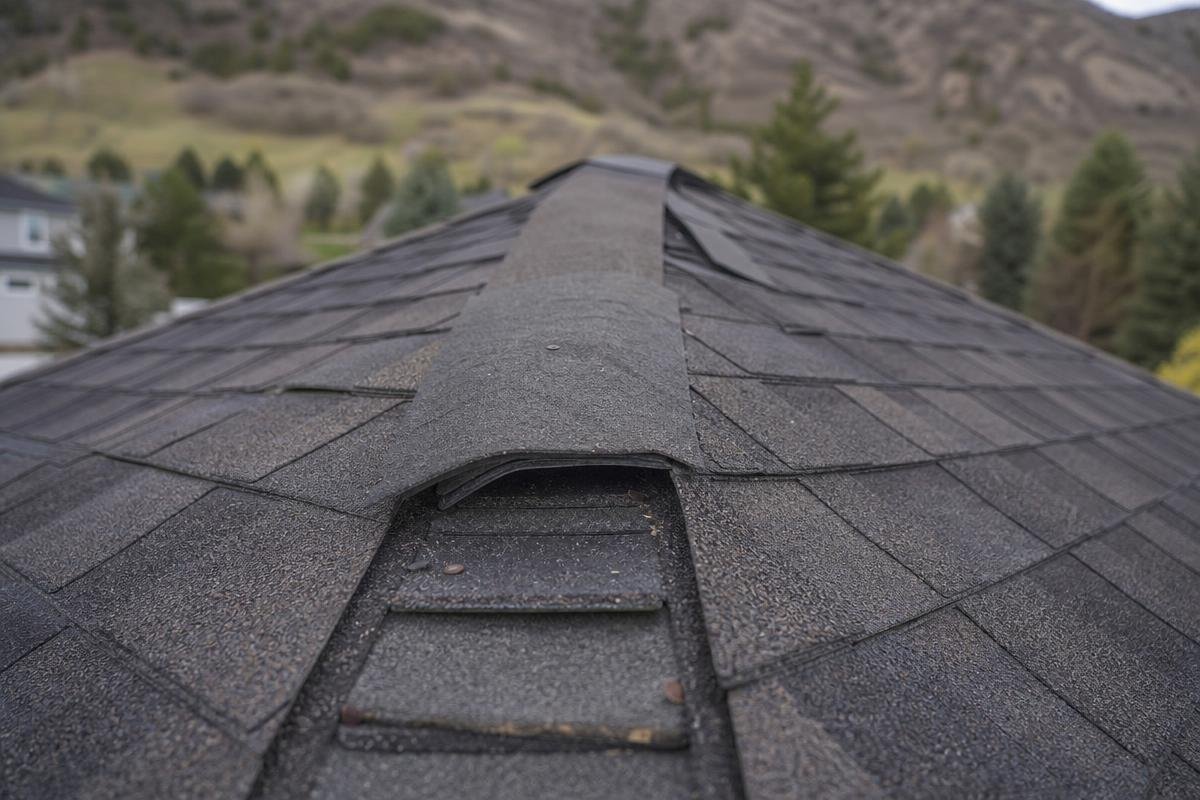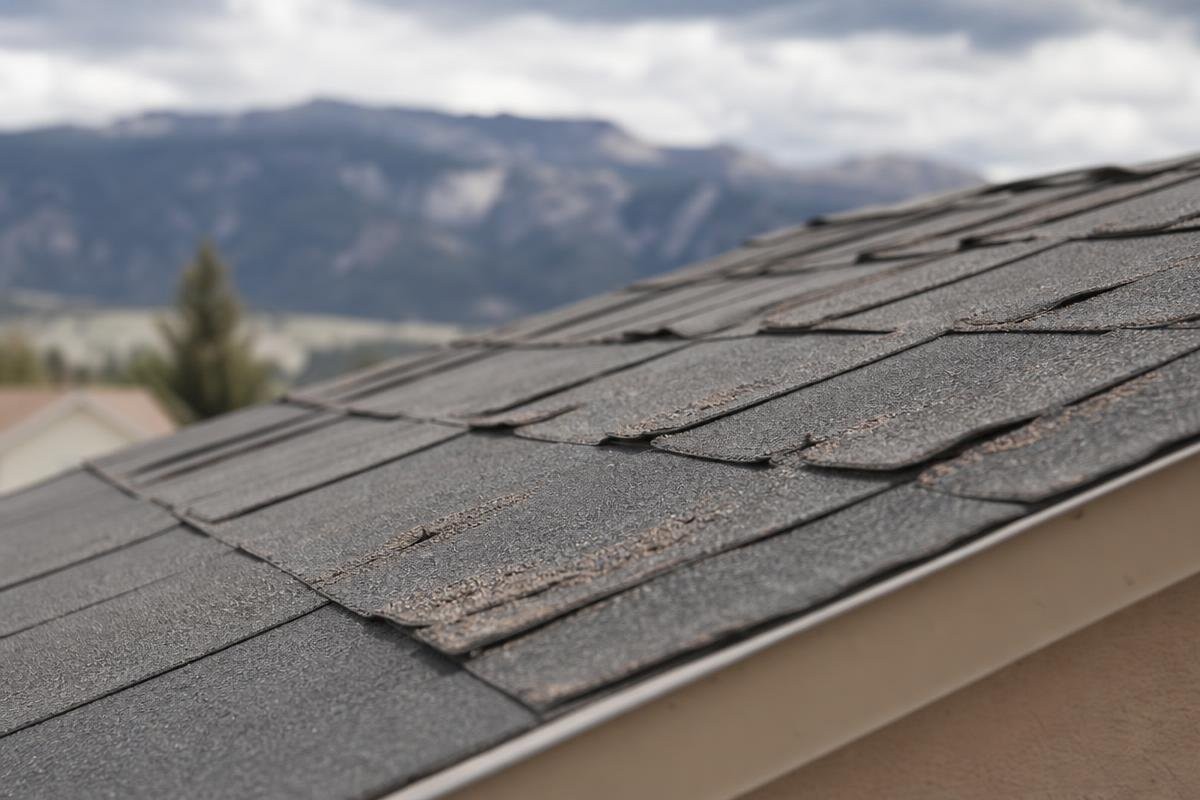
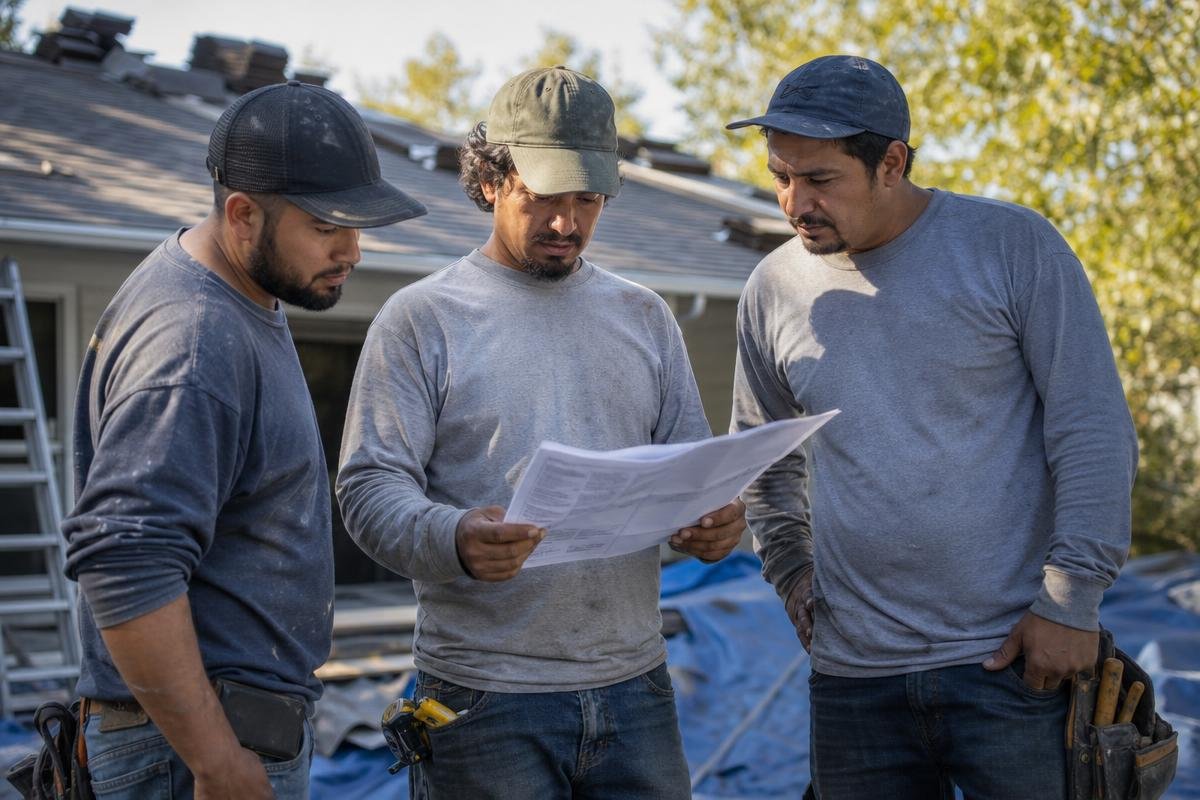
For most Shingle Springs addresses, roofing permits are administered by the El Dorado County Building Division, because Shingle Springs is generally in unincorporated El Dorado County. El Dorado Hills properties may also fall under County jurisdiction, but the parcel address and any special district requirements should be checked before work is scheduled. Roof Geeks is based at 4261 Sunset Lane, Suite 201, Shingle Springs, CA 95682, and helps property owners define reroof scope, identify permit questions, and prepare for inspection before tear-off begins.
Planning a reroof? Ask us to review the visible roof conditions and proposed scope before materials are ordered.
Key Takeaways
- A full reroof commonly requires County review, while limited repair work may be handled differently depending on the scope.
- Confirm the parcel jurisdiction first, then verify current application and inspection instructions with El Dorado County.
- Material specifications, roof area, contractor details, and documentation of structural repairs are common parts of a reroof application.
- Decking damage, flashing repairs, skylight work, or ventilation changes found during tear-off can require a revised scope.
Which Agency Handles Roofing Permits for Shingle Springs?
Start with the property address, not the mailing city. A Shingle Springs parcel in unincorporated El Dorado County is typically served by the County Building Division. The County provides permit information, forms, and online services through its Building Division website. Homeowners should use the County's current instructions to confirm whether the planned work needs a permit and whether additional review applies to the parcel.
County jurisdiction is especially important when a project includes more than replacing roof covering. Before scheduling roof replacement service, confirm the address, proposed materials, number of existing roof layers, and whether the work includes decking, flashing, skylights, gutters, ventilation, or framing repair. Those details help the permit counter determine the appropriate application path.
What Shingle Springs Homeowners Should Check Before a Reroof
Reroof work often moves quickly once tear-off starts, so permit planning should happen before delivery day. Review the existing roof system, identify visible leaks or damaged areas, and determine whether the project is a limited repair, a recover, or removal and replacement of the existing roof covering. Keep photographs and the written scope with the property file.
El Dorado County projects may require product information for the proposed roofing assembly, including roof covering, underlayment, and applicable fire classification. Properties within areas subject to wildland-urban interface requirements can need material documentation that demonstrates compliance with the applicable fire-resistance standards. Energy-code questions may also arise when a reroof includes insulation, ventilation, or other related alterations.
What Is a Roofing Permit and What Does It Cover?
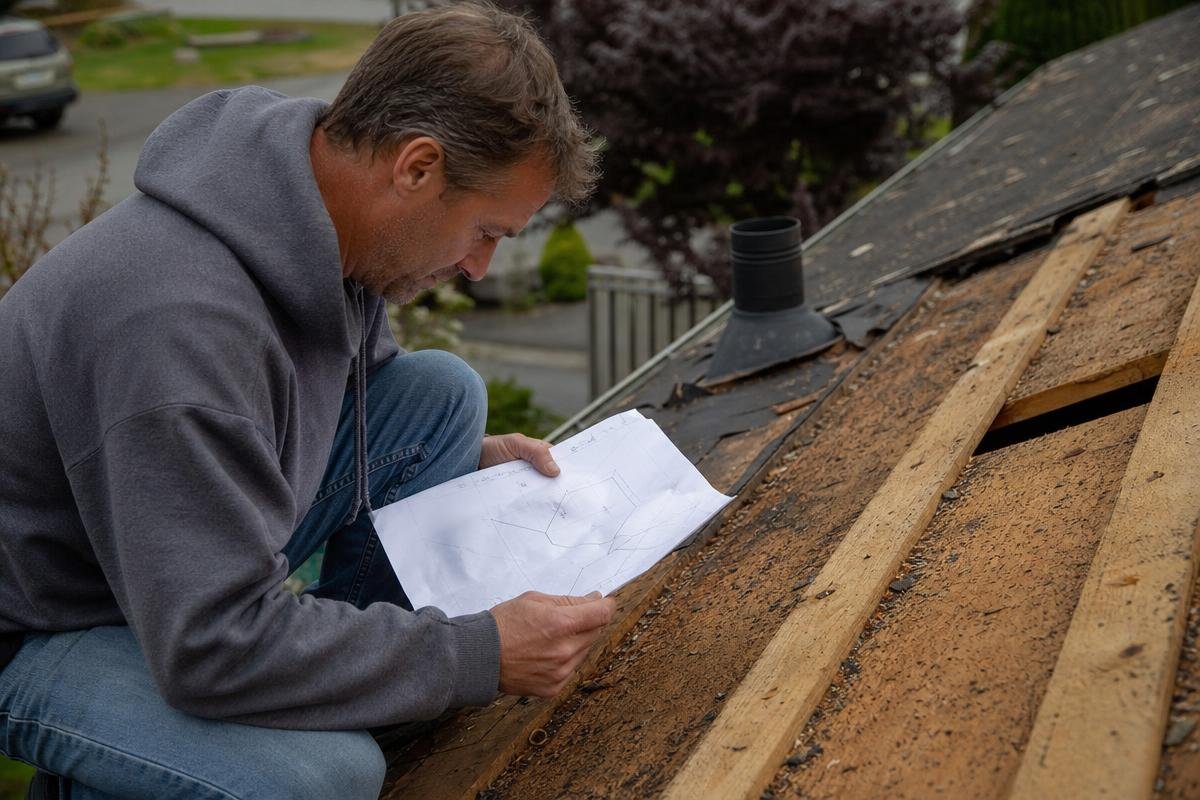
A roofing permit is the County's approval of a defined construction scope at a specific property. For a reroof, the permit record can identify the existing and proposed roof covering, roof area, contractor or owner-builder information, and any associated repairs that affect the roof assembly.
For Shingle Springs property owners, a complete application can reduce avoidable delays by matching the permit description to the work actually planned. Our roof replacement service begins with a written scope that accounts for the roof covering, flashings, penetrations, valleys, edge metal, ventilation, and visible deck concerns.
A Permit Defines the Approved Scope
The issued permit establishes the work the authority expects to inspect. A straightforward replacement may have a simpler description than a project that includes framing repair, extensive sheathing replacement, new skylights, altered ventilation openings, or changes to roof geometry.
Save the issued permit, approved documents, inspection results, invoices, and final photographs after the work is complete. Those records can be useful during a future sale, insurance claim, warranty request, or later repair.
Conditions Found During Tear-Off Can Change the Scope
Damaged decking, dry rot, failed flashing, weakened fascia, and deteriorated roof penetrations are often easier to identify after the old roofing is removed. In the Sierra foothill climate, summer heat, winter rain, and wind can accelerate failure at roof edges, valleys, pipe boots, wall transitions, and skylight curbs.
If concealed damage expands beyond the approved work, document it with photographs and measurements before it is covered. The contractor and owner should determine whether the County needs updated information. Our roof inspection services help document visible conditions before construction, although no surface inspection can guarantee what will be found beneath existing roofing.
Do You Need a Permit to Replace a Roof in Shingle Springs?
For a Shingle Springs home under El Dorado County jurisdiction, a full reroof should be treated as permit work unless the County confirms otherwise for the specific scope. Limited maintenance or isolated repair work may be handled differently, but the answer depends on what is being removed, replaced, or altered.
- Removal and replacement of the roof covering across the home.
- Replacement of substantial areas of roof sheathing or repair to structural framing.
- New or altered skylights, roof penetrations, curbs, or ventilation openings.
- A material change that requires new product, fire-rating, or assembly documentation.
- Work on a property with wildfire-related construction requirements.
Localized Repairs and Larger Roofing Scopes
A small repair that restores a localized leak without changing the broader assembly is not the same as a whole-roof replacement. However, a repair can become a larger project when removal reveals widespread damaged decking, repeated failures across several roof planes, or deteriorated flashing that must be rebuilt.
Do not rely on a universal square-foot threshold or verbal assumption. County rules and administrative procedures can be updated, and the Building Division is the appropriate source for a current determination. Our roof repair services focus on locating the actual point of failure so homeowners can make decisions from the condition of the roof, not just a symptom inside the home.
Work That Can Expand Beyond the Roof Covering
Sheathing replacement, framing repair, altered venting, skylight installation, and changes to drainage details can expand the permit description beyond a basic reroof. These items should be identified in writing because an inspector may need to see portions of the work before they are concealed.
Roofing materials should also be selected for the property and approved scope. For homes subject to wildfire-related requirements, provide the requested product and assembly information rather than assuming that a roof-covering label alone answers every compliance question. Our roof replacement service evaluates connected roof components before the final scope is set.
Have a reroof scope that includes decking, ventilation, skylights, or recurring leaks? Request an assessment before tear-off so the permit discussion starts with a clear work description.
How Does the Roofing Permit Process Usually Work?
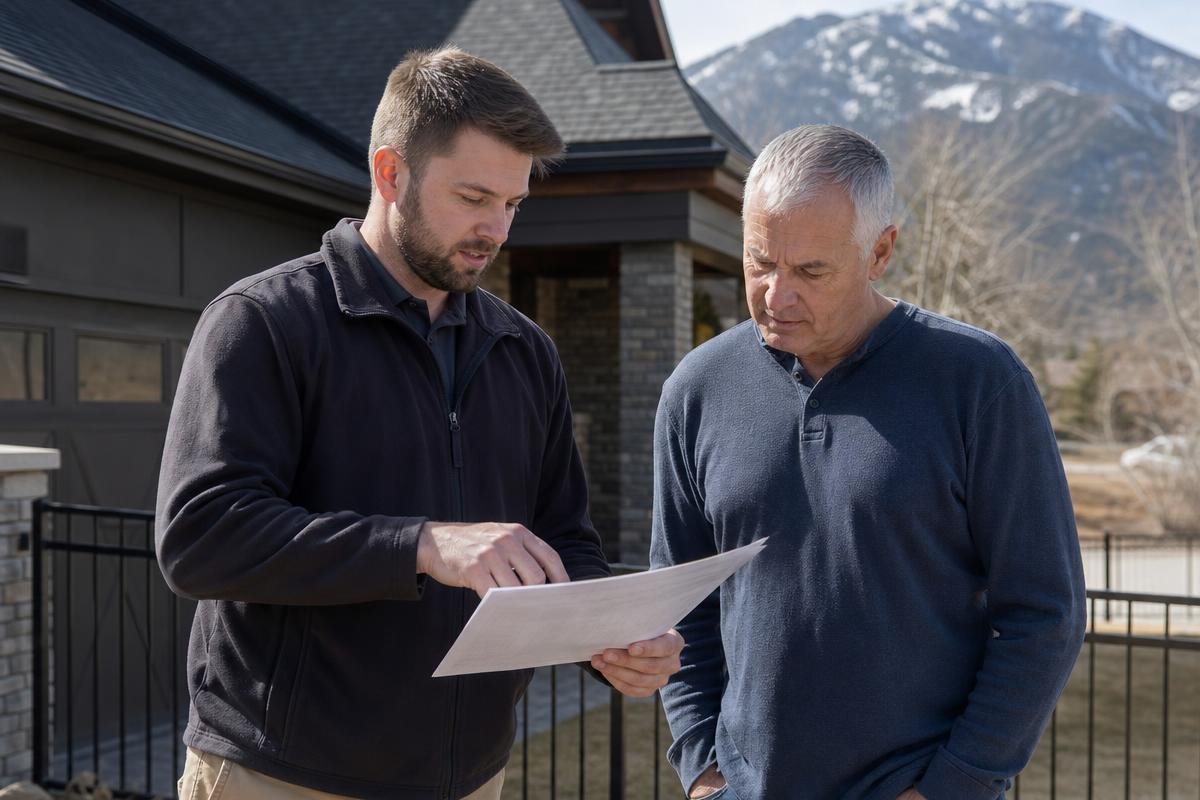
For County-governed properties, begin by reviewing the current requirements on the El Dorado County Building Division website or contacting the Building Division with the property address and proposed scope. Application methods, fees, review steps, and inspection scheduling procedures can change, so use the County's current instructions rather than an old permit from another project.
Define the Work Before Ordering Materials
Prepare a concise description of the work: repair, recover, or removal and replacement. Include the existing roof covering, proposed roof material, number of layers to be removed, underlayment, flashing, ventilation, roof penetrations, and any known deck or framing repairs.
Common application items can include the site address or assessor parcel information, owner and contractor information, a project valuation, roof area, material specifications, and supporting plans or details when the work extends beyond routine replacement. The County may request additional information based on the scope and location.
Confirm the Local Application and Inspection Sequence
Ask the County what inspections apply to the permit and when they must be requested. The sequence matters because deck repair, flashing, underlayment, or other components may need to remain visible until the required inspection is complete. Do not cover work that an inspector needs to see.
Coordinate the inspection schedule around weather and material delivery. A temporary dry-in plan can be important when tear-off exposes a roof during rain or windy conditions, but it does not replace the need to follow the issued permit and inspection instructions.
Document Scope Changes Before Covering the Roof
If tear-off exposes damaged sheathing, dry rot, or framing concerns not included in the original application, stop long enough to photograph the condition and update the written scope. Confirm whether the change requires County coordination, revised documents, or an additional inspection.
Clear documentation protects both the property owner and the contractor. Our roof repair services can help define visible repair needs before work begins, particularly where an apparent leak may involve flashing, penetrations, valleys, or edge details.
Who Is Responsible for Pulling the Roofing Permit?
Permit responsibility should be written into the contract before construction begins. Depending on the project and County procedures, a properly licensed contractor may apply for a permit on behalf of the owner, while an owner-builder may apply under the owner-builder process. The property owner should confirm the applicant, fee responsibility, and inspection coordination instead of assuming those details are included.
A California contractor license and a building permit are separate requirements. Contractor license status can be checked through the California Contractors State License Board. The permit remains project-specific and does not transfer responsibility merely because a contractor is working on the roof.
Do Not Leave Permit Responsibility Assumed
Before tear-off, identify who will submit the application, provide material data, pay permit fees, request inspections, post the permit when required, and retain final records. This is particularly important when concealed conditions could add decking, fascia, flashing, or ventilation work after demolition begins.
Questions to Put in the Written Agreement
- Who applies for the permit and pays the related fees?
- Whose name appears on the permit application?
- Who provides roofing material specifications and fire-rating documentation?
- Who schedules required roof permit inspections?
- How will concealed sheathing damage or other scope changes be documented?
These terms reduce avoidable disputes after work starts. They also create a more complete property record for future sale, insurance, and warranty questions.
Confirm permit responsibility before your roofing work begins. Call (916) 888-7663 to discuss your project.
Roofing Permit Readiness Checklist for Shingle Springs Property Owners
Build the project file before tear-off. A complete record helps the permit application match the work, supports inspections, and shows why the scope changed if hidden damage appears after the old roof is removed.
Scope and Condition Documentation
- Identify the work as a repair, reroof, or full roof replacement.
- Photograph leaks, storm damage, missing shingles or tiles, exposed underlayment, and visible membrane deterioration. Drone imagery can document visible conditions, but it is not required.
- List existing and proposed roofing materials, including manufacturer specifications and applicable fire-classification information.
- Include known concerns with decking, dry rot, fascia, soffit, skylights, gutters, ventilation, and structural repairs in the written scope.
- Confirm the permit applicant and the authority with jurisdiction over the property before work starts.
A written scope helps prevent disagreements when decking or flashing repair becomes necessary. Our roof inspection services can provide photographic documentation of visible conditions before a project moves forward.
Permit, Material, and Inspection Records
- Keep the permit application, issued permit, approved scope, and material submittals together.
- Save change orders that add decking, ventilation, skylight, or gutter work.
- Retain roof permit inspection records and final approval documents where applicable.
- File warranties, invoices, and final photographs with the permit records.
These records can matter during a sale, insurance claim, or later repair. Review our roof replacement service before finalizing the scope for a planned replacement.
Why Local Conditions Can Change a Roofing Project Scope
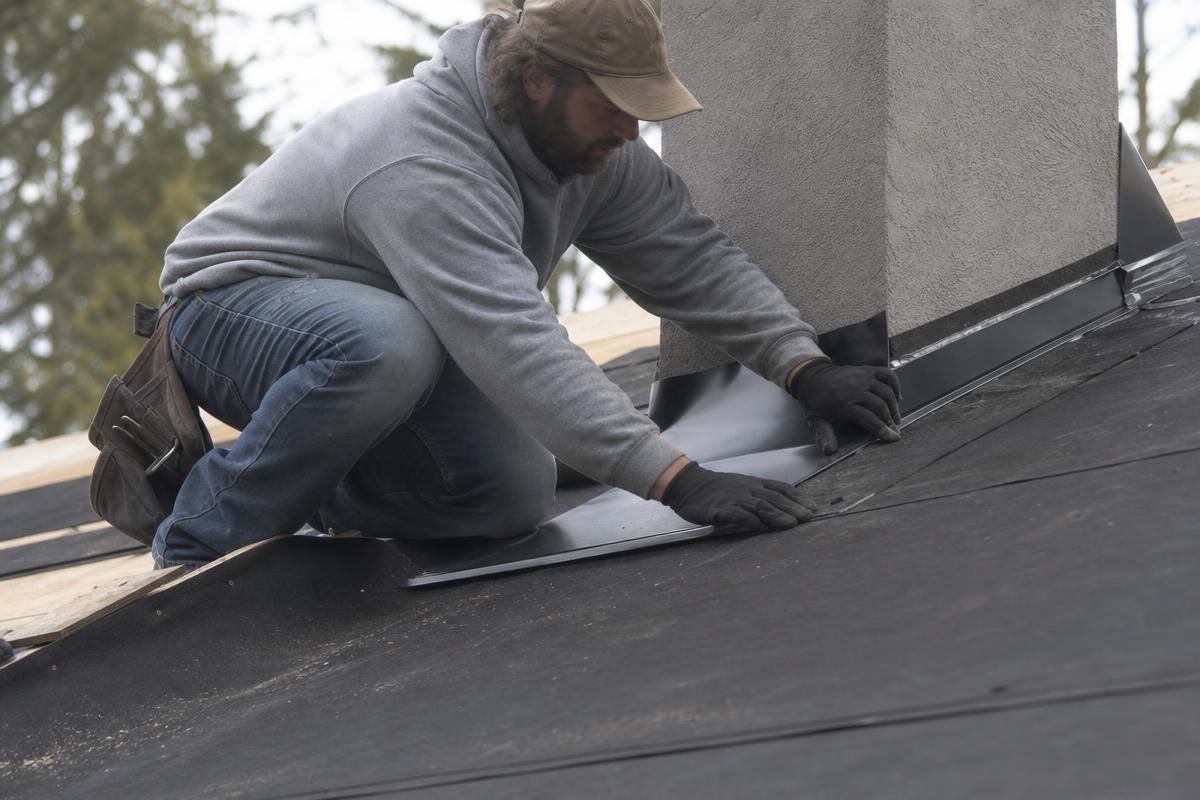
Weather does not independently determine whether a permit is required, but local exposure can reveal roof-system problems that affect the scope. Foothill homes often see strong sun, temperature swings, seasonal rain, and wind at roof edges and exposed elevations. A proper assessment considers the whole assembly before materials are selected.
Heat, Wind, and Rain Affect Roofing Details
High attic temperatures and inadequate airflow can contribute to premature deterioration of roofing components. When ventilation is part of the proposed work, the scope should identify the intended intake and exhaust approach rather than treating ventilation as an afterthought.
Wind-driven rain tests valleys, wall flashing, pipe penetrations, skylights, roof-to-wall transitions, and edges. Underlayment, flashing, and drainage details must work together to move water out of the assembly. A roof replacement project should identify these conditions before installation, not after a leak develops.
Fire Ratings and Energy Work Can Add Documentation Questions
Properties in wildfire-prone settings may require closer review of roofing materials and assembly documentation. Product approvals and fire-rating information should be available for the permit file when requested by the governing authority.
State building and energy requirements can also affect projects that include ventilation, insulation, or other related alterations. Confirm the current County interpretation for the exact scope before construction begins. For documented existing-condition findings, schedule roof inspection services before finalizing the work.
Frequently Asked Questions
Permit decisions turn on the actual scope, not assumptions made from the driveway. Confirm current reroof permit requirements with the authority governing your property before materials arrive.
Do I Need a Permit to Reroof My Home?
A full roof replacement may require a roof replacement permit, but the answer depends on the property jurisdiction and planned assembly. Material changes, ventilation work, or sheathing replacement can affect the review.
Does a Roof Repair Need a Permit?
Limited repairs may be treated differently than broad replacement work. A roof repair permit becomes more likely when the work changes the assembly, exposes structural concerns, or expands beyond isolated damage. Our roof repair services begin with a defined scope.
Who Applies for the Roofing Permit?
The contract should identify the permit applicant and the party coordinating required inspections. Property owners should not assume that responsibility transfers without written confirmation.
What Information Is Commonly Needed for an Application?
Applications commonly need the property address, project scope, roofing material details, contractor information, and plans when related construction is involved. Keep product data and written scope documents available.
Are Roof Permit Inspections Required?
Roof permit inspections may be required at stages set by the governing authority. The inspector may need access before covered work conceals decking, flashing, or other installation details.
What Happens if Tear-Off Reveals Concealed Damage?
Stop and document the condition before covering damaged decking or framing. The changed scope may require updated documentation and coordination before work proceeds. For a project-scope discussion, contact Roof Geeks at (916) 888-7663 or visit our contact page.
Ready to Get Started with Roof Geeks?
Call (916) 888-7663 to speak with our team directly. Our team can review your roof, explain the permit questions that apply to your project, and outline the next steps.
Reach out today and let's talk about how we can help.