A failing roof rarely announces itself with a single dramatic event. More often, the warning signs build quietly over years until the damage becomes costly and unavoidable. In Shingle Springs, where summer temperatures routinely exceed 100°F and foothills UV exposure compresses asphalt shingle service life faster than national averages suggest, knowing when to replace a roof is a decision that carries real financial weight. Roof Geeks serves Shingle Springs and the surrounding El Dorado County communities from its base at 4261 Sunset Lane, and our licensed inspectors know exactly what local conditions do to a roofing system over time.
Think your roof may be past its prime? Get a straight answer from a local expert.
Key Takeaways
- Shingle Springs heat and UV exposure can shorten asphalt shingle lifespan well below the 25-to-30-year national average.
- Knowing when to replace a roof versus repair it depends on the extent of damage, shingle age, and remaining material integrity.
- Significant leaks, granule loss, and failed flashing are the most reliable indicators that replacement outweighs further repair costs.
- El Dorado County's Wildland-Urban Interface designation requires replacement materials to meet minimum Class A or Class B fire-resistance ratings.
- Oak tree canopy common along roads like Green Valley and Ponderosa accelerates moss and lichen growth on north-facing slopes, speeding up shingle degradation.
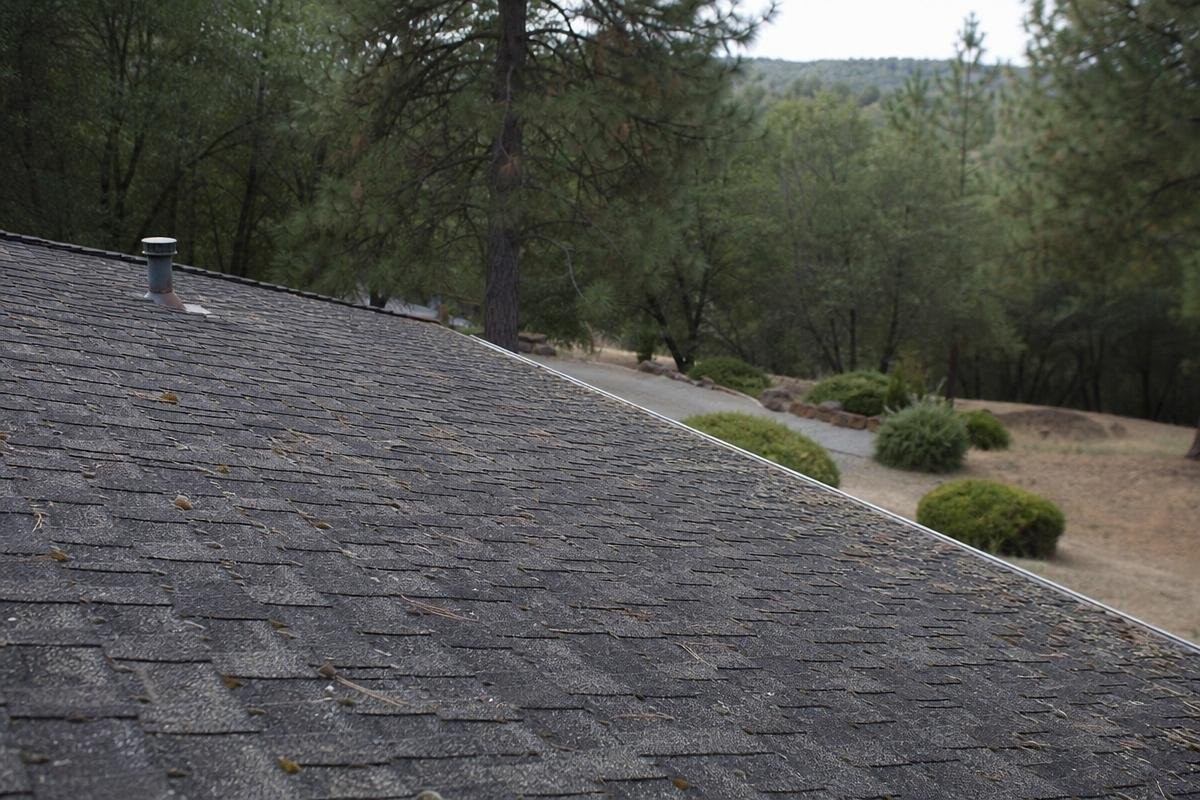
Each season of deferred action compounds interior damage risk, and by the time water reaches ceilings or wall framing, remediation costs routinely exceed what a timely replacement would have required. The goal of this guide is to help you catch the problem while it is still a roofing decision and not a framing-and-drywall project.
Homes in the foothills face conditions that compress asphalt shingle service life well below national averages. The sustained triple-digit summers noted above, elevated UV radiation at foothills altitude, and wildfire ember exposure in the Wildland-Urban Interface all accelerate asphalt binder breakdown in ways that generic replacement timelines do not account for.
This article gives property owners a structured, locally grounded framework covering physical warning signs, material lifespan benchmarks by roofing type, and regional climate factors specific to this area. Roof Geeks offers free roof inspection services for homeowners who want a professional assessment before making a replacement decision.
How Long Does a Roof Last in Shingle Springs?
Lifespan Benchmarks by Material
National lifespan averages for roofing materials are calculated on climate conditions that do not apply here. Those foothills heat and UV factors, combined with ember exposure, compress service life shorter than what a manufacturer's label accounts for. The numbers below reflect what our crews actually document on roofs across this area, not warranty-class marketing.
Asphalt Shingles: Why the 30-Year Label Doesn't Apply Here
Knowing when to replace asphalt shingles starts with understanding that the "30-year" designation refers to a warranty class, not a guaranteed service life in every climate. In Shingle Springs subdivisions off Durock Road and Buck's Bar Road, 3-tab shingles realistically perform 20 to 25 years, while architectural dimensional shingles reach 25 to 30 years only under consistent maintenance. Class 4 impact-resistant shingles carry the best chance of hitting 30-plus years per manufacturer spec, and they satisfy the fire-resistance requirements for properties in this zone. If you want to understand fire resistant roofing options for foothills properties, that distinction matters at replacement time.
Tile Roofing: The Underlayment Is the Real Replacement Clock
Concrete and clay tile surfaces routinely last 40 to 50 years, which causes many property owners to assume the roofing system is sound when it is not. The underlayment beneath the tile degrades in 20 to 25 years, and once it fails, the tile above provides no meaningful waterproofing. An inspection that evaluates only visible tile condition misses the actual replacement trigger entirely.
Metal Roofing: Gauge, Coating, and Thermal Cycling
Metal roofing spans 40 to 70 years depending on gauge and coating system, but not all metal panels perform equally under local heat loads. Standing-seam systems handle thermal cycling far better than exposed-fastener panels because fastener penetrations expand and contract with daily temperature swings, eventually compromising the watertight integrity of each attachment point.
Flat and Torch-Down Systems: UV Oxidation and Ponding Water
Modified bitumen and torch-down membranes carry a realistic service life of 15 to 20 years, and regional heat accelerates UV oxidation significantly. Ponding water, any standing water remaining more than 48 hours after rainfall, compounds membrane degradation and is one of the primary failure accelerants our team evaluates on flat roofing systems throughout the region.
When to Replace Your Roof vs. Repair It: 7 Physical Warning Signs
Deciding when to replace your roof comes down to reading the physical evidence. These seven warning signs tell you whether you are looking at a repair candidate or a full replacement, and some are visible from the ground without setting foot on a ladder.
1. Granule Loss in the Gutters
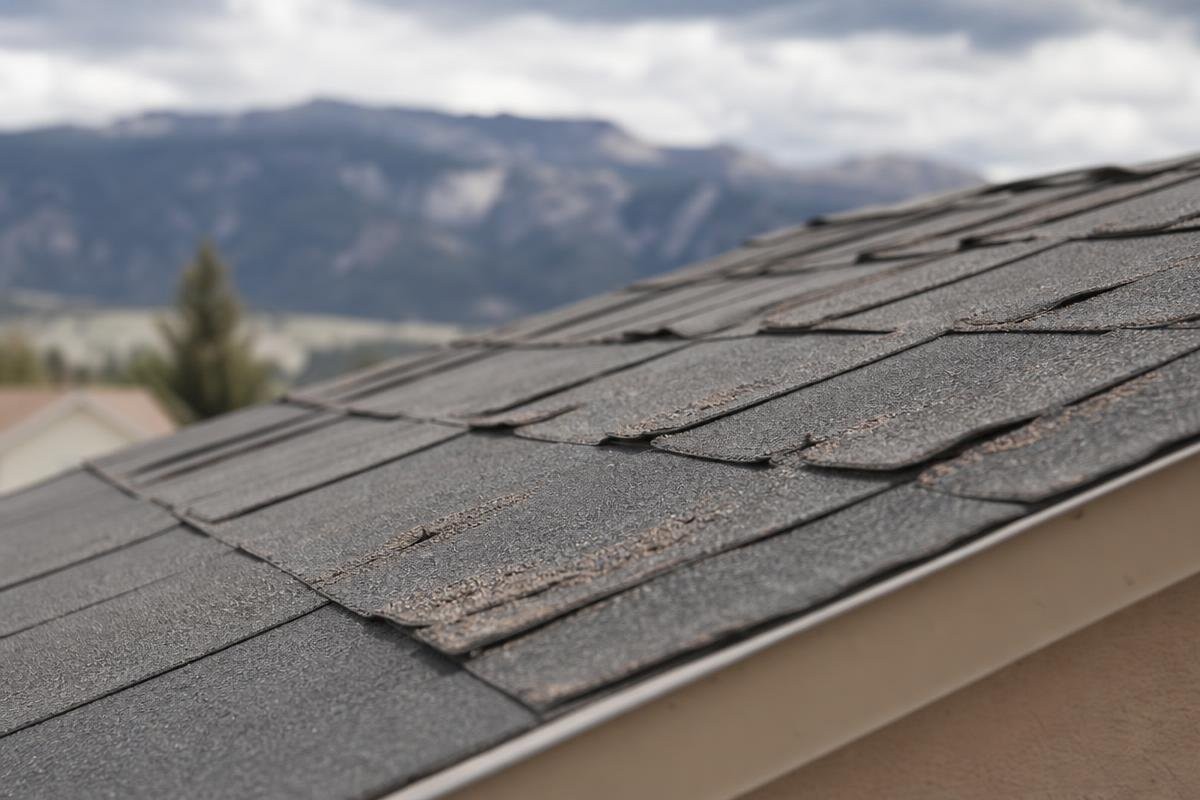
Asphalt shingles shed their ceramic granule coating as the mat ages, and those granules collect in gutters and downspout splash blocks. Once the granule layer thins, UV radiation oxidizes the asphalt binder directly, accelerating surface cracking and brittleness. Heavy granule accumulation after a single season is a reliable proxy indicator that the shingle surface has crossed into terminal decline.
2. Curling or Cupping Shingles
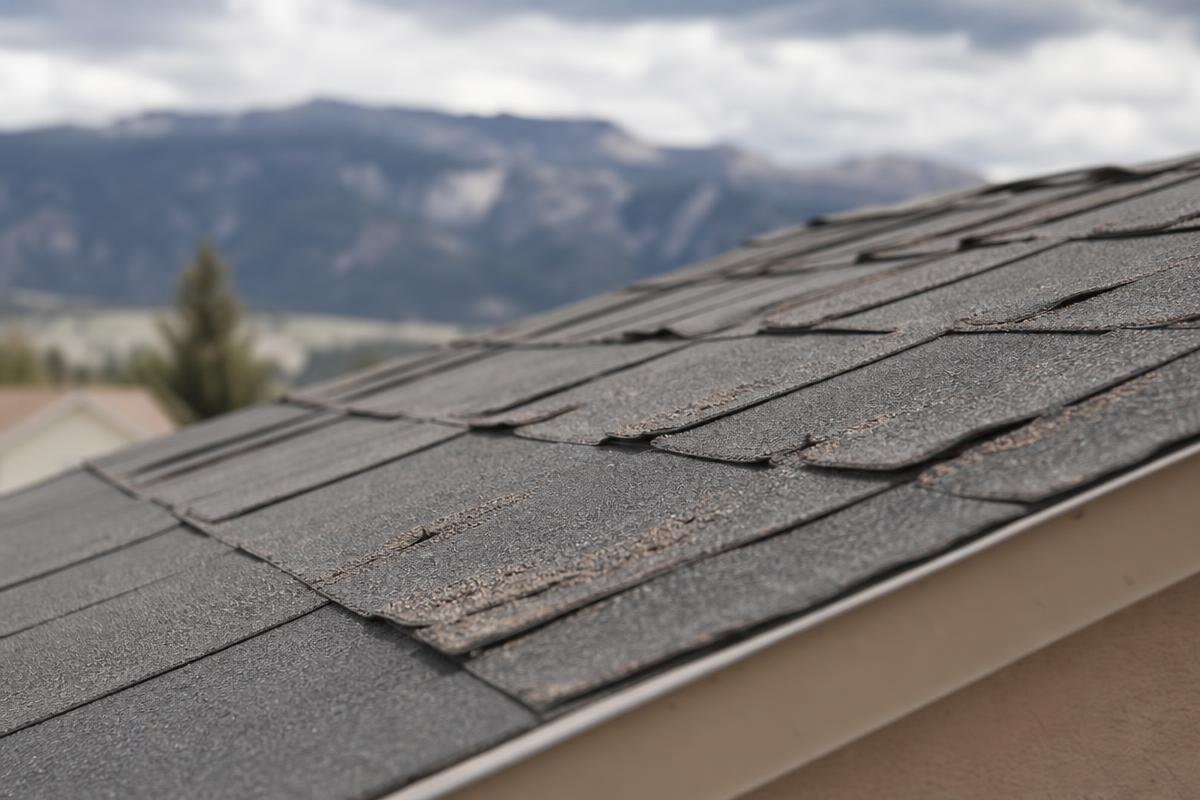
Cupping occurs when shingle edges turn upward; clawing occurs when the center of the tab lifts while edges stay flat. Both deformations result from thermal cycling and moisture imbalance between the shingle face and backing. Either condition breaks the overlap seal between courses, creating open channels for water intrusion at every shingle joint.
3. Cracked or Missing Shingles
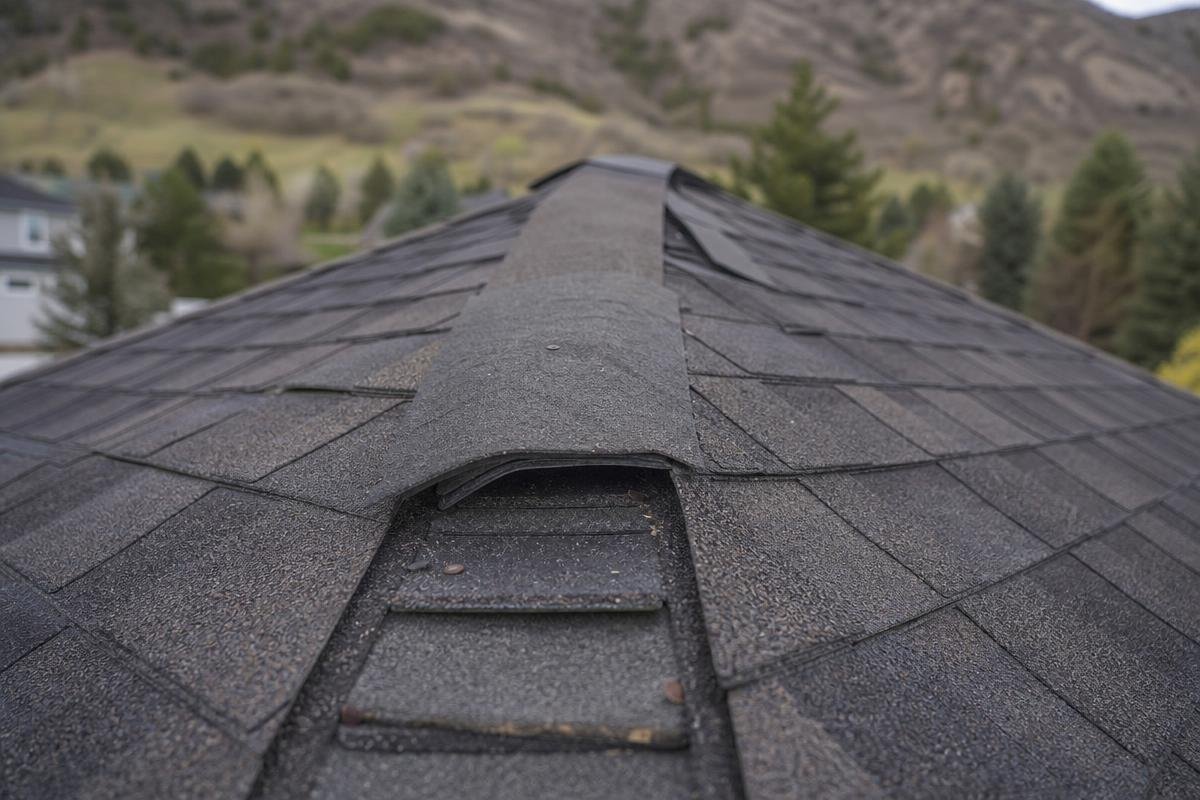
High-wind events in the foothills routinely cause blow-offs on exposed roof planes. A single missing shingle on an otherwise sound roof may qualify for professional roof repair services, but cracking distributed across multiple roof planes signals systemic material failure, not isolated storm damage. At that point, patching individual sections does not restore the system's watertight integrity.
4. Daylight Through the Roof Deck
Light visible through attic sheathing means the underlayment has failed and the decking itself may be compromised. This is a replacement trigger, not a repair candidate. Moisture staining on rafters or sheathing panels confirms that water has been entering the assembly for an extended period.
5. A Sagging or Soft Roof Deck
A roof deck that deflects underfoot or shows visible sag from the exterior indicates rafter or sheathing failure from long-term moisture intrusion. This condition requires immediate structural assessment before any surface work proceeds. Walking on a compromised deck creates a safety hazard and can accelerate structural damage.
6. Persistent Leaks at the Same Entry Point
Repeated repairs at the same point of entry on an aging roof indicate systemic flashing or substrate failure beneath the surface. Our technicians see this pattern frequently on roofs past the 20-year mark, where step flashing and counter-flashing have corroded or separated. Continued patching costs more over two to three seasons than a single replacement, and roof leak repair services can confirm whether the failure is isolated or systemic.
7. Moss and Lichen Colonies
Moss retains moisture directly against the shingle surface, accelerating granule loss and lifting shingle edges over time. Lichen is more destructive: its rhizines physically penetrate the shingle mat, causing damage that cannot be reversed by cleaning. Properties with dense oak canopy on north-facing slopes see colonization rates that far exceed what UV exposure alone would produce, making this a locally significant replacement trigger rather than a cosmetic issue.
How Shingle Springs' Climate Accelerates Roof Deterioration
National manufacturer warranties are written against average conditions, and the foothills are anything but average. At 1,200 to 1,400 feet elevation in USDA Plant Hardiness Zone 9b, roofing systems here face a combination of UV intensity, fire weather, and freeze-thaw stress that shortens service life beyond what the label promises. Understanding what El Dorado County homeowners need to know about WUI roofing requirements is the starting point for any honest replacement conversation.
UV Radiation and Sustained Summer Heat
UV radiation increases measurably with elevation, and those extended stretches of extreme heat drive asphalt binder oxidation, leaving shingles brittle and inflexible rather than pliable and weather-tight. A 30-year architectural shingle installed on a south-facing slope here often shows replacement-level degradation by year 20 to 22, a gap that surprises property owners who assume the warranty date is the replacement date. This is one of the most common warning signs our technicians document during drone inspections, which allow full surface documentation without walking a compromised deck.
WUI Compliance: What Class A and Class B Mean at Replacement Time
El Dorado County's Wildland-Urban Interface designation is not a formality, and it directly governs what materials you can legally install. Under California Building Code Chapter 7A, replacement roofs in this zone must carry a fire-resistance classification from a standardized flame-spread and ember test. A Class A assembly, the highest rating, resists severe fire exposure and includes concrete tile, metal, and fiberglass-mat asphalt shingles tested as a complete system. Class B offers moderate protection and may satisfy certain lower-risk parcels.
During fire weather events, ember cast can reach residential rooftops well ahead of any visible flame front, and degraded shingles with granule loss offer far less resistance to ember accumulation in valleys and around penetrations. At replacement, this means the material choice is not purely aesthetic or budgetary, it is a code compliance item verified at final inspection.
Freeze-Thaw Cycles at Foothills Elevation
This elevation sees enough winter nights below freezing to matter, even without the snow load and ice damming that define failure patterns further east toward higher passes. Moisture that infiltrates cracked or granule-depleted shingles expands during each freeze cycle, accelerating delamination and cracking from within. Our technicians use roof inspection services including drone imaging to identify this subsurface damage before it reaches the deck or interior structure.
Roof Replacement vs. Roof Repair: How to Tell the Difference
Choosing between repair and replacement is the most consequential decision a property owner faces after identifying roof damage. The wrong call in either direction costs money: premature replacement wastes serviceable life, while repeated repairs on a failing system accumulate costs that exceed a full replacement within a few years. Our technicians use a structured decision framework, not guesswork, to make this call. For a deeper look at how this plays out across the region, see our breakdown of roof replacement vs roof repair and how Sacramento homeowners can tell the difference.
When Repair Is the Right Call
Repair is appropriate when damage is isolated to a single roof plane or penetration point, the roofing system is under 15 years old, and the structural decking beneath the affected area is sound. Matching roofing materials must also be available, which matters for insurance documentation and maintaining a consistent fire-resistance rating under building code requirements for WUI-zone properties.
When Replacement Is the Right Call
Replacement becomes the correct decision when the roof is within five years of its expected service life end, when multiple failure points exist across different planes, or when repair costs exceed 30 to 50 percent of the full replacement cost. In this area, where the heat and elevated UV exposure compress asphalt shingle service life, that "within five years" threshold arrives sooner than most property owners anticipate.
The 50% Rule and Insurance Implications
Building code requires full replacement when repair scope exceeds 50 percent of the total roof surface area, making partial repair both a code violation and a cost inefficiency at that scale. Beyond code, several California insurance carriers are now non-renewing homeowner policies on roofs older than 20 years. A documented replacement, completed to current code and manufacturer specifications, can directly restore insurability. Property owners navigating a claim should review the roof insurance claim process before committing to a repair scope.
Not sure if your roof needs repair or full replacement? Our technicians can assess the damage and give you a clear answer. Call (916) 888-7663 to schedule a roof inspection.
Storm Damage and Insurance Claims: What Shingle Springs Homeowners Need to Know
High-wind events, documented foothills hail, and heavy rain can push a marginally aging roof into sudden failure overnight. Storm damage is distinct from the gradual deterioration covered in earlier sections, and it triggers a separate process: an insurance claim that requires precise documentation to succeed.
Documenting Damage After a Storm
Photograph all visible damage from ground level immediately after a storm passes. Do not walk the roof surface, as compromised decking and wet shingles create serious fall hazards and can worsen existing damage before an adjuster sees the property.
Note the date and time of the storm event, photograph impacted gutters and downspouts, and record any interior signs of water intrusion. This ground-level record establishes the timeline adjusters need when reviewing a claim.
What the Drone Inspection Captures
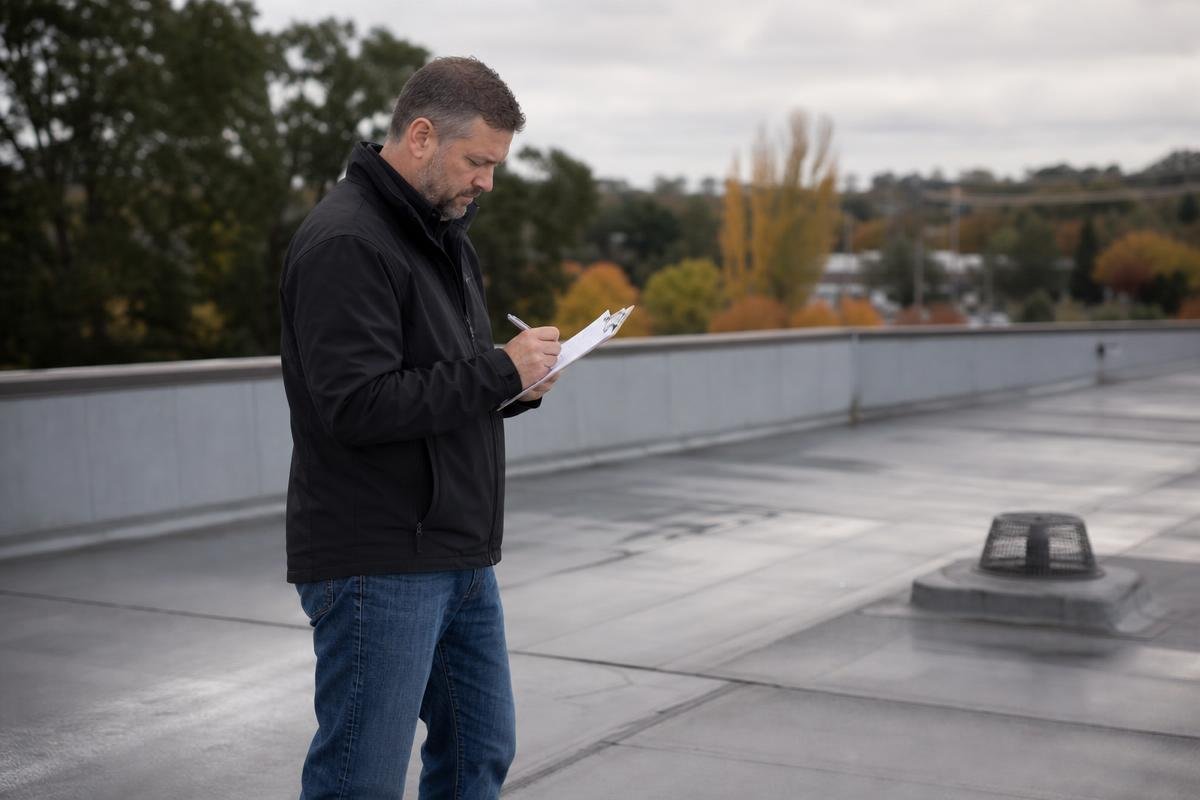
Steep-pitch foothills roofs are difficult to assess safely from a ladder, which is exactly why our technicians deploy drone technology on every post-storm inspection. One verified customer noted that "Brad came out and surveyed the roof which included flying a drone over the home to take pictures," confirming this is standard practice, not an upsell.
The drone captures high-resolution imagery of the full roof surface, valleys, penetrations, and flashing conditions at chimneys and skylights. Our inspectors identify hail bruising, granule displacement, blow-off patterns indicating wind speed and direction, and flashing separation that ground-level photography cannot reach.
How the Inspection Report Supports Your Claim
Insurance adjusters require damage documentation in a specific format, and a verbal description does not meet that standard. Our roof insurance claim process guide covers the full filing steps, but the inspection report itself documents damage scope, affected components, and estimated replacement scope in the format adjusters require.
The post-storm roof inspection services are always free. There is no cost to the property owner for the inspection or the report.
A Practical Roof Replacement Self-Assessment Checklist for Shingle Springs Homeowners
Since a failing roof rarely shows every symptom at once, work through these ten questions from ground level and attic access before calling a contractor. Count your "yes" answers and use the scoring guide below.
- Is your asphalt shingle roof 20 years old or older? (National averages cite 25-30 years, but foothills UV and heat compress that threshold significantly.)
- Is your flat or torch-down roof 15 years old or older?
- Are shingles curling, cupping, or cracking along more than one roof plane?
- Are gutters collecting heavy granule deposits after rain?
- Do you see bare or dark patches where granules have worn away?
- Is moss or lichen present on north-facing or oak-shaded slopes?
- Has the property experienced a wildfire ember event, high-wind event, or hail in the past 12 months?
- Has your insurer issued a notice of concern or non-renewal related to roof condition?
- From the attic, do you see daylight, water staining, or soft decking when you press on the sheathing?
- Have you had two or more repairs to the same roof section in the past five years?
Scoring Guide
- 1-2 yes answers: Schedule a professional inspection to establish a baseline.
- 3-5 yes answers: Replacement is likely warranted. Continued repairs carry diminishing returns.
- 6 or more yes answers: Replacement is overdue. Interior damage risk is elevated and rising with each rain event.
If you scored three or higher, contact our team to schedule free roof inspection services and get a documented condition report before the next wet season arrives.
Why Shingle Springs Homeowners Choose Roof Geeks for Roof Replacement
A roof replacement is one of the largest investments a property owner makes, and choosing the wrong contractor compounds the problem rather than solving it. Roof Geeks operates from 4261 Sunset Lane in Shingle Springs, giving our crews direct familiarity with foothills elevation conditions, oak canopy shading patterns, and the fire-resistance requirements that apply to properties throughout this area. All work is performed under our California contractor's license, so replacements are documented to pass county final inspection.
Our team uses drone inspection technology to document roof conditions before any proposal is written, a specific detail that property owners have called out in reviews. That documentation supports upfront pricing with no surprises after work begins. Chris and Brad have both been named in verified reviews for keeping property owners informed at every stage, a standard our installers hold across every job.
The results are reflected in 118 Google reviews averaging 4.9 stars. Recurring themes across those reviews include responsiveness, honest communication, and a team that notices problems beyond the immediate scope, such as a neighbor's damaged gutters flagged and addressed without being asked. That kind of attention is what separates a thorough replacement from one that simply closes a work order.
Our service area covers El Dorado Hills, Folsom, and roofing services in Cameron Park, in addition to the communities immediately surrounding our base. Property owners who want to understand our background and approach can read more on the about Roof Geeks page before scheduling.
Frequently Asked Questions
Should I repair or replace my roof?
Isolated damage on a roof under 15 years old with sound decking is typically a repair candidate. If the repair scope covers more than 30 to 50 percent of the total surface, or the roof is within five years of its expected service life, replacement is the more cost-effective path. Our team provides written estimates for both options after a free inspection so the property owner can make an informed decision.
How long do asphalt shingles actually last in Shingle Springs?
Manufacturer specs rate most architectural shingles at 25 to 30 years. Foothills heat and UV exposure compress that functional life to roughly 20 to 25 years in this area. A professional inspection after year 18 is advisable, before granule loss and thermal cracking advance to the point where decking is at risk.
How much does a roof replacement cost?
Replacement cost varies by square footage, roof pitch, material selection, and decking condition. Written estimates are provided before any work begins, at no cost to the property owner. For a detailed breakdown of pricing factors specific to this area, see our guide on new roof cost.
Will my homeowner's insurance cover a roof replacement?
Carriers cover replacement for named perils including wind, hail, and fire. Age-related wear and gradual deterioration are excluded under most policies. Our team documents storm damage thoroughly to support the roof insurance claim process, which reduces the risk of a denial on a legitimate loss.
Does the WUI zone affect what roofing materials I can use?
Yes. The WUI designation covering this area requires any replacement roofing material to carry a minimum Class A or Class B fire-resistance rating. Metal, concrete tile, and Class A-rated asphalt shingles all qualify. For a full breakdown of compliant options, review what El Dorado County homeowners need to know about WUI roofing requirements.
What does a drone roof inspection involve?
A drone inspection captures the full roof surface, including valleys, penetrations, and step flashing, without placing a technician on a compromised or steep-pitch surface. The result is a complete photographic record that supports insurance documentation and replacement planning.
Can a roof be replaced in winter in Shingle Springs?
Yes. Minimal snowfall at this elevation makes year-round replacement feasible, unlike higher-elevation foothill communities. Asphalt shingles require temperatures above 40 degrees Fahrenheit for proper sealing, and our crews schedule installations around forecast windows to meet that threshold.
If your roof is more than 18 years old, has experienced a recent storm event, or you answered yes to three or more items on the checklist above, schedule a free inspection now. Our team serves El Dorado Hills, Folsom, Placerville, and communities across the greater Sacramento region from our base at 4261 Sunset Lane, Shingle Springs, CA 95682. Call (916) 888-7663 or visit roof inspection services to book your inspection. There is no cost and no obligation, just a documented assessment of what your roof actually needs.
Ready to Get Started with Roof Geeks?
Call (916) 888-7663 to speak with our team directly. We're ready to answer your questions, walk you through your options, and help you find the right solution for your needs. Whether you're just starting to plan or ready to move forward, we'll make the process simple and stress-free. Reach out today and let's talk about how we can help.