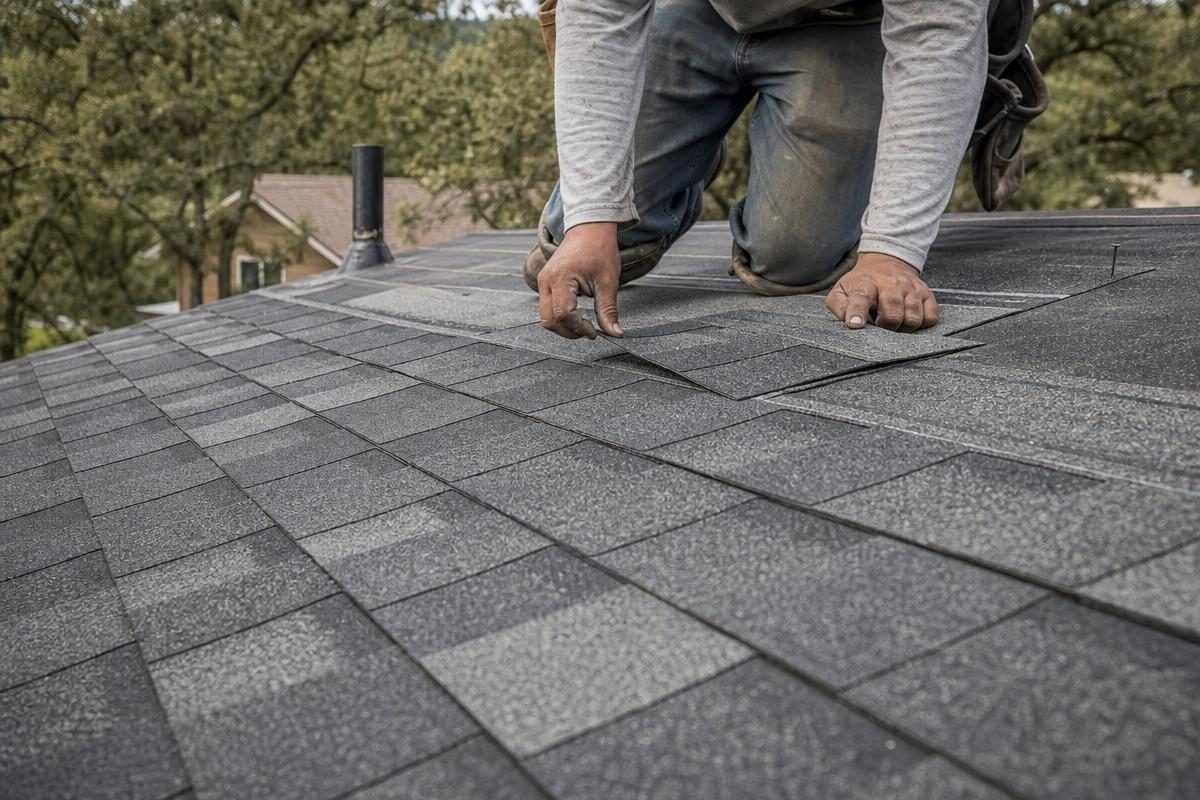
Wood shake roofs installed in El Dorado Hills during the 1980s were built before California's Chapter 7A fire-hardening standards existed. For properties in the 95762 ZIP code and throughout unincorporated El Dorado County, most of which Cal Fire designates as a Very High Fire Hazard Severity Zone, a re-roofing project today triggers mandatory WUI compliance requirements that older materials cannot meet. Roof Geeks installs Class A fire-rated roofing systems that satisfy the fire code, protect watertight integrity, and meet the standards insurers and county inspectors now require.
Roof Geeks is a licensed roofing contractor (CSLB #1069166) serving El Dorado Hills and the surrounding foothill communities, with hundreds of WUI-compliant roofing assemblies installed across the greater Sacramento region. Reach our team at (916) 888-7663 for a parcel-specific compliance review.
Not sure whether your current roof meets fire code before an inspection or a sale? Schedule a compliance review with our team today.
Key Takeaways
- Most El Dorado Hills properties fall within a Cal Fire Very High Fire Hazard Severity Zone, making Chapter 7A compliance mandatory on re-roofing projects.
- Older wood shake roofing installed before modern fire-hardening code no longer meets the standards required for a re-roofing permit in these zones.
- Class A fire-rated roofing materials and ember-resistant vents are required components under the fire code for parcels in a designated hazard zone.
- El Dorado County SRA real estate transactions require a defensible space inspection before close of escrow, making pre-listing roof condition a direct financial issue.
- Insurance carriers are canceling policies tied to roofing condition and fire risk, and a documented compliant roof can help property owners retain coverage.
Why WUI Roofing Compliance Matters Before Any Foothill Re-Roof
A property owner in the Sierra Nevada foothills who replaces a roof without checking WUI roofing requirements in El Dorado County can face permit denial, a failed inspection, and forced tear-off of non-compliant materials before the job is even finished. Insurance carriers operating across the greater Sacramento region have begun non-renewing policies on homes where re-roofing work does not meet the fire-resistance classifications now required under California Building Code and State Responsibility Area rules.
Roof Geeks works with property owners throughout the eastern Sacramento foothills, including established neighborhoods in the 95762 ZIP code, from the Serrano and Bass Lake Hills subdivisions to homes near the El Dorado Hills Town Center, where pre-code wood shake installations are still common. Before any roofing project, El Dorado County homeowners should understand four specific areas: Class A fire-resistant material classification, ember-resistant vent standards, defensible space inspection triggers tied to real estate transactions, and how roof condition directly affects homeowner insurance retention. For property owners in Shingle Springs and surrounding foothill communities, understanding fire-resistant roofing options before signing a contract is not optional. It is the difference between a compliant roof and a code violation.
What Is the WUI and Why Does It Apply to El Dorado Hills Properties?
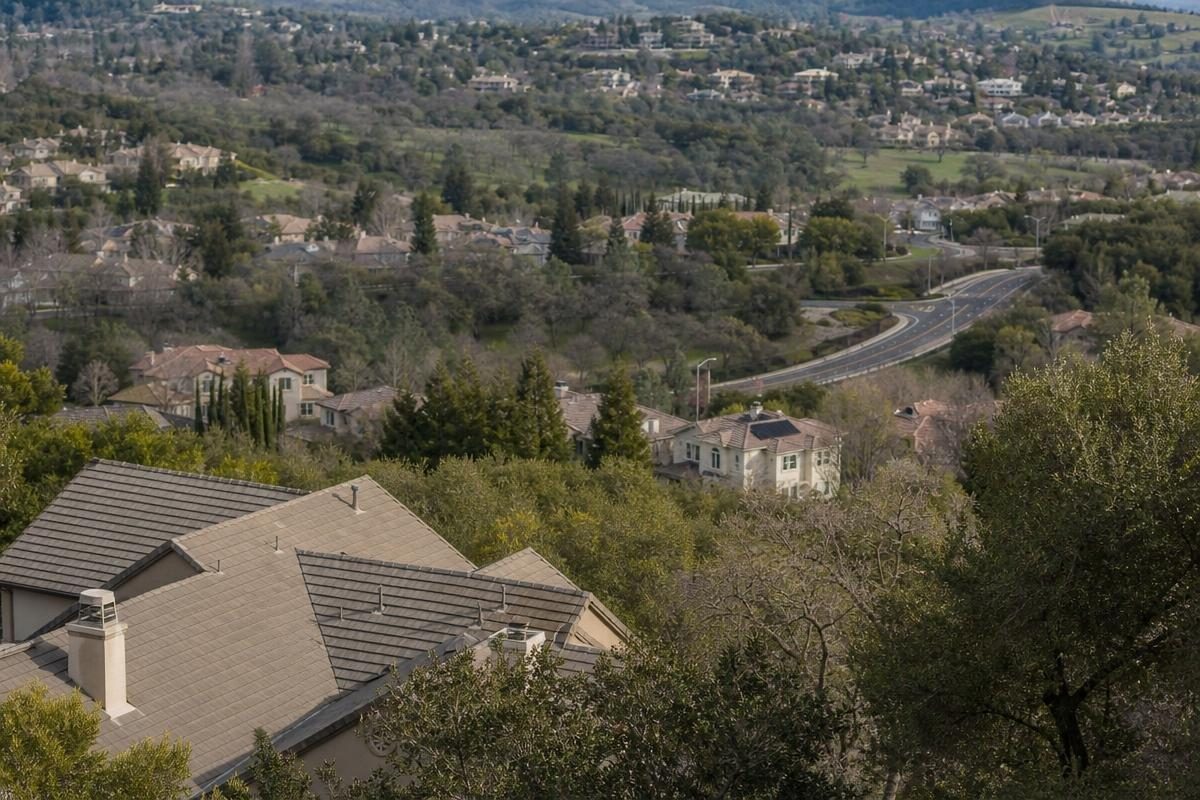
The Wildland-Urban Interface is the zone where residential development meets undeveloped wildland vegetation, and the foothill communities of Cameron Park, Shingle Springs, and the El Dorado Hills area sit squarely inside it. Oak woodland and chaparral covering elevations from roughly 400 to 1,200 feet create exactly the fuel-load conditions that state fire code was written to address, which is why WUI roofing requirements in this region carry real legal weight, not just advisory guidance.
Property owners in these communities often discover the regulatory framework only when they pull a re-roofing permit. Understanding the classification system before that point protects against costly mid-project surprises.
How El Dorado County Designates Fire Hazard Severity Zones
The California Department of Forestry and Fire Protection maintains official Fire Hazard Severity Zone maps that classify every parcel as Moderate, High, or Very High based on fire behavior modeling, vegetation type, and terrain. Unincorporated areas throughout the eastern foothill corridor, including large portions of the 95762 ZIP code, carry a Very High classification on those state maps.
Incorporated cities within the county may adopt Local Responsibility Area designations that mirror or exceed state standards, so the classification a property owner sees on the official hazard-zone viewer is the starting point for any compliance conversation, not the final word. We recommend confirming parcel-level classification through that viewer before scheduling any roofing work.
Which Properties Fall Under Chapter 7A Requirements
State building code applies WUI construction standards to any new construction or permitted re-roofing project on a parcel within a designated State Responsibility Area or Very High hazard zone. A partial re-roofing permit, even one covering only a storm-damaged section, triggers full roofing assembly compliance for the area of work, not just the materials replaced.
Older homes in established neighborhoods carrying pre-code wood shake roofing are particularly exposed to this requirement, since a single insurance-driven repair permit can require a full Class A assembly upgrade. Our team conducts drone roof inspections under FAA Part 107 certification to document existing material classifications before any permit application, giving each property owner a clear compliance picture before work begins. For homeowners researching their options early, our overview of fire-resistant roofing options for Shingle Springs homes covers the material choices that satisfy current code.
Class A Roofing Materials: What Chapter 7A Actually Requires
A roofing material that lacks a documented Class A fire rating is not a code-compliant option for re-roofing in a designated hazard zone, and an installation without that rating can trigger permit rejection, insurance cancellation, or a mandatory tear-off at the property owner's expense. The building code fire-hardening chapter sets the minimum standard: every roof covering installed in a designated fire hazard zone must achieve a Class A rating tested under ASTM E108 and UL 790, meaning the full assembly must withstand severe fire exposure, not just surface flame spread.
That rating applies to the complete roofing system, including the underlayment, roof decking, and ventilation components, not the surface material alone. Our installers verify that every component in the assembly carries the appropriate listing before a single square of material goes on the roof.
Approved Roofing Assemblies for WUI Zones
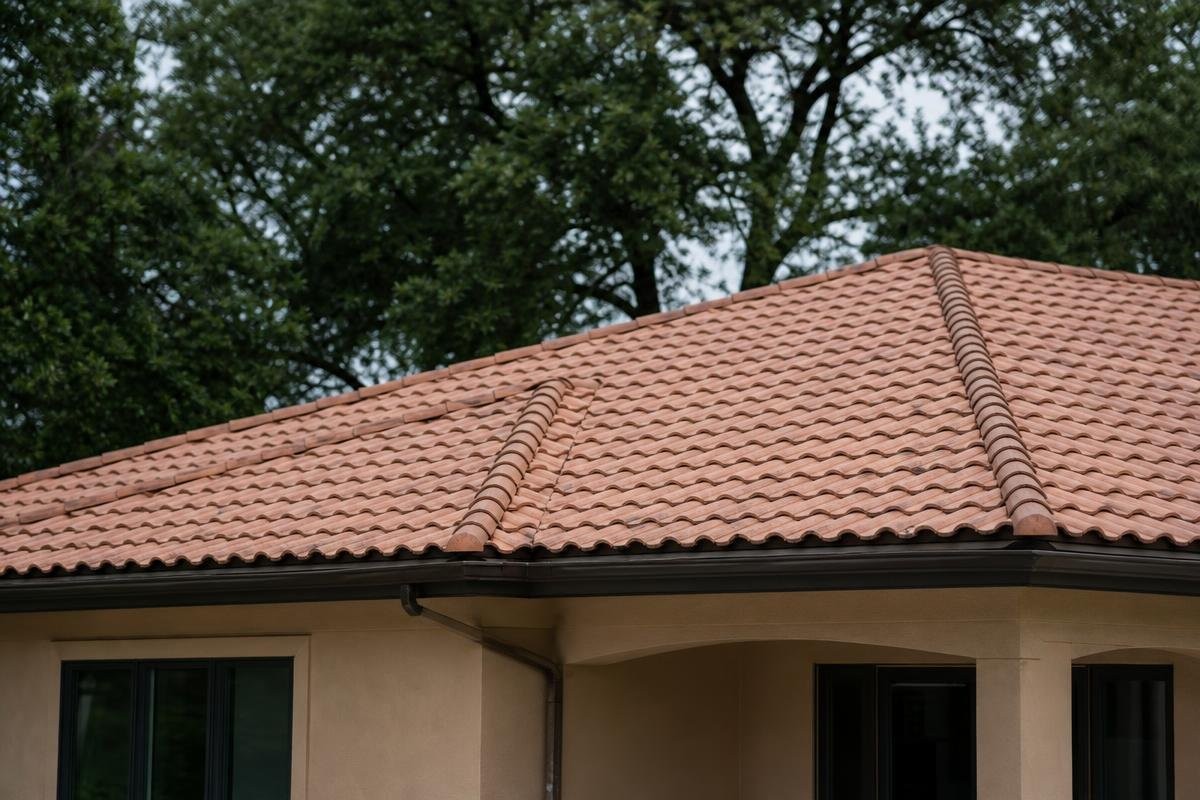
Fire-resistant roofing in the foothills means choosing from a specific set of tested product categories. Approved materials for WUI zones in this region include Class A composition asphalt shingles with a current UL listing, concrete tile, clay tile, steel and aluminum metal roofing, and Class A-rated modified bitumen systems for low-slope applications. Each of these product categories, when installed over a compatible underlayment on code-compliant decking, satisfies the assembly-level requirement. Our crews document the UL listing for every material used and retain that record for building department submittal.
Materials That No Longer Meet Current Standards
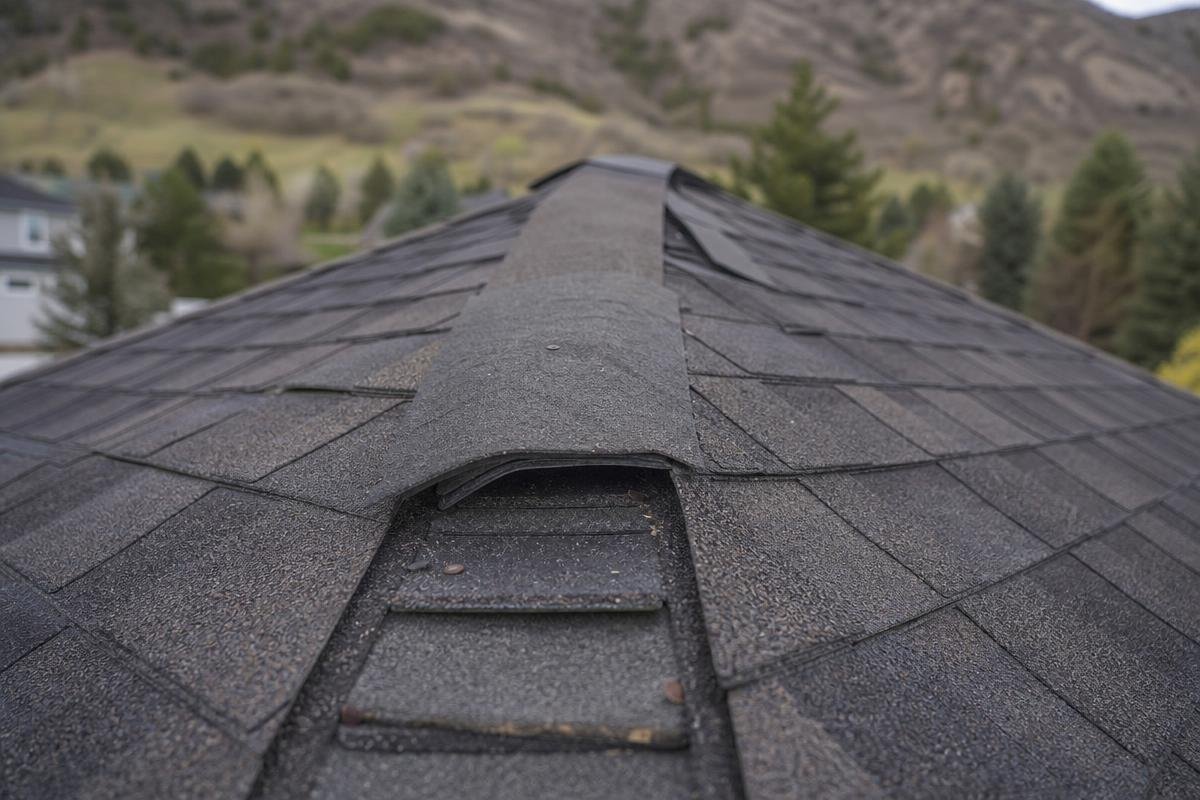
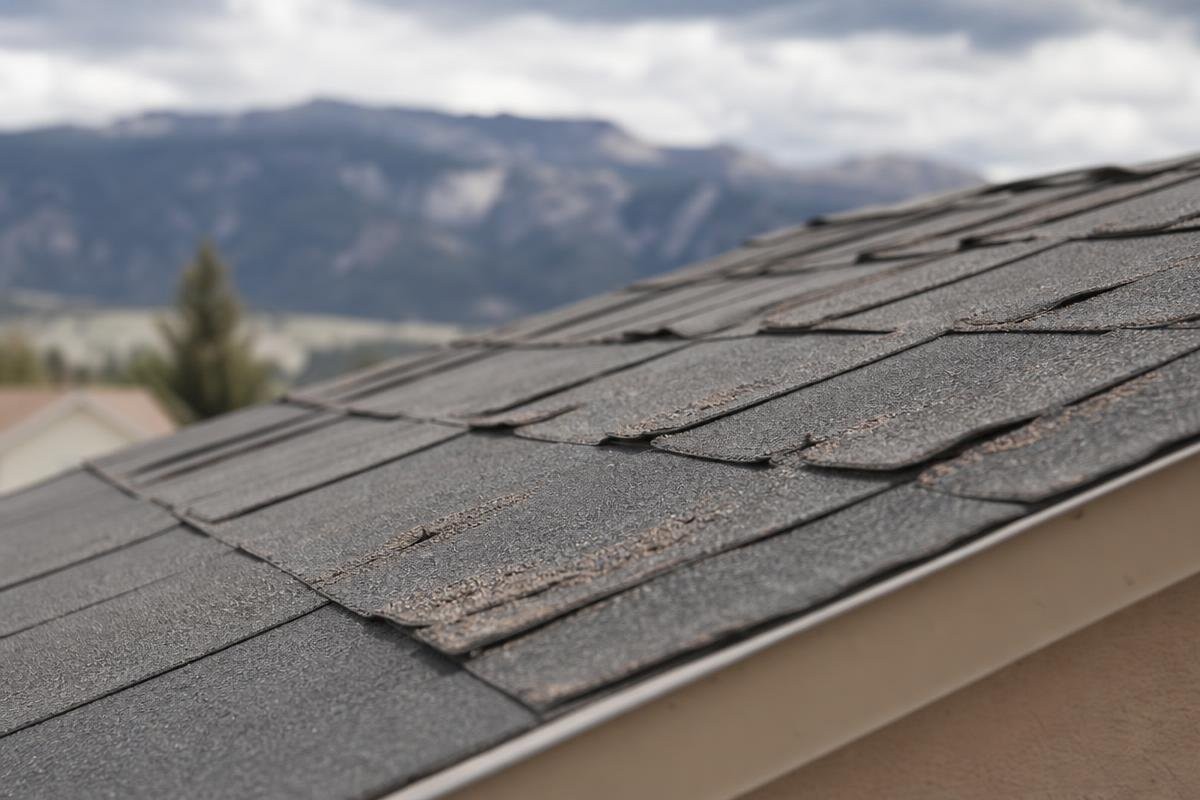
Wood shake and untreated wood shingles are explicitly prohibited for new installation or re-roofing on parcels within a designated hazard zone. Older neighborhoods in ZIP code 95762, particularly established residential tracts built in the 1980s and 1990s, commonly carry original wood shake roofing that predates current enforcement. Three-tab asphalt shingles without a documented Class A UL listing also fail the standard. A written material classification report can be submitted to the county building department or provided directly to an insurance carrier to confirm compliance status before a re-roofing project begins.
Ember-Resistant Vents and the Ignition Risk Most Homeowners Miss
A Class A-rated roof surface stops direct flame spread, but it does not stop embers from entering the attic through standard builder-grade vents. Post-fire forensic studies by the Insurance Institute for Business and Home Safety document attic ignition through unprotected vents as one of the most consistent total-loss mechanisms in wildfire events across the foothills.
How Ember Intrusion Causes Attic Ignition
Standard vents ship from the factory with 1/4-inch wire mesh, an opening large enough to admit the glowing ember fragments that travel miles ahead of an active fire front. Once inside the attic cavity, those embers land on dry wood framing, blown-in insulation, and accumulated dust, creating ignition conditions that bypass the roof surface entirely.
The oak woodland and chaparral fuel loads surrounding Cameron Park and the broader foothills corridor produce exactly the fine, lightweight ember cast that exploits this gap. A fire-rated shingle above and an unscreened vent below is a combination that has produced documented total losses in this region.
Chapter 7A Vent Standards and Retrofit Options
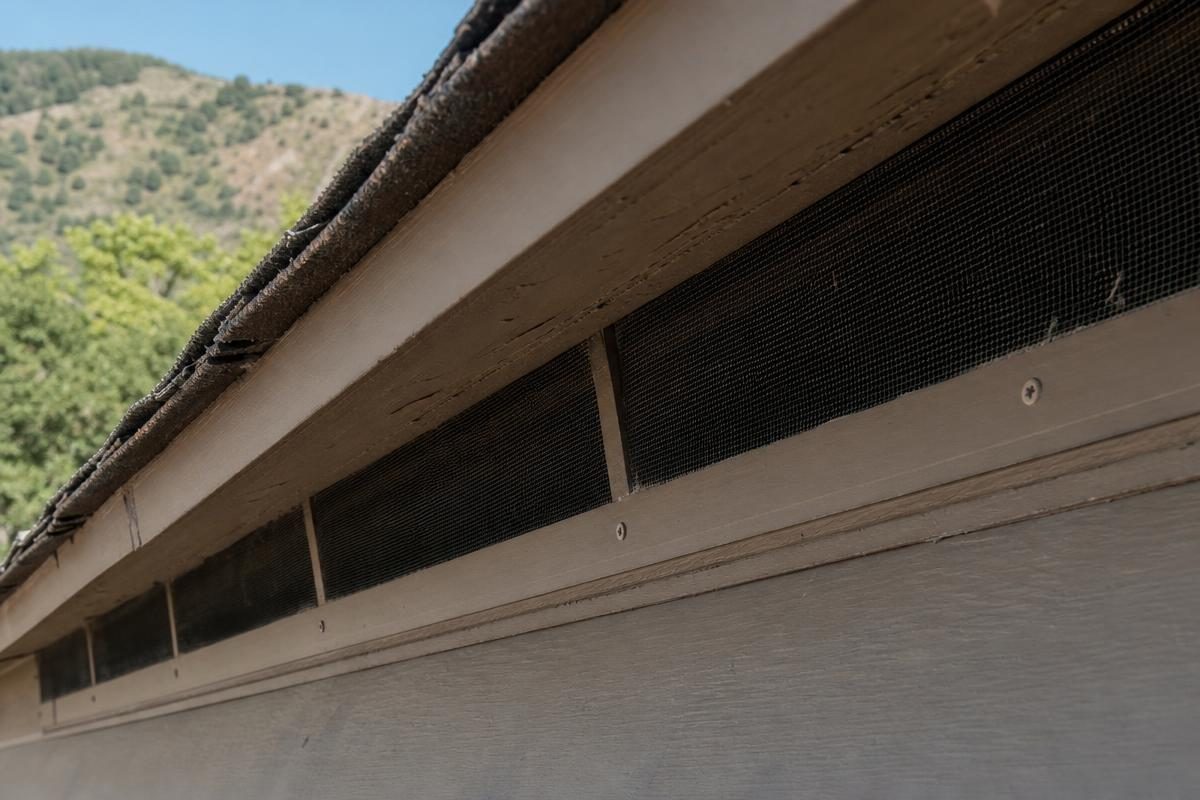
California's fire code requires all new and replacement vents in designated hazard zones to carry a California OSFM listing and feature 1/16-inch corrosion-resistant wire mesh or intumescent materials that close under heat to block direct flame impingement. This applies to gable vents, soffit vents, and ridge vents alike.
Any replacement vent must match or exceed the net free area of the original opening to maintain proper attic ventilation and Title 24 energy code compliance. Our installers verify net free area calculations on every vent retrofit so the property owner does not trade an ember risk for a moisture and heat buildup problem.
Planning to list your home in an SRA parcel? Get a pre-listing roof and vent inspection before the defensible space check.
How Roof Condition Affects Homeowner Insurance in El Dorado County
Insurance non-renewals are not a future threat for Shingle Springs and El Dorado Hills area homeowners. They are happening now, driven by carrier aerial inspection programs that flag aging roofing systems on parcels inside fire-risk zones.
Composition shingle roofs older than 15 to 20 years, visible moss or algae growth, missing or cracked shingles, and non-Class-A materials on a fire-hazard-designated parcel are the specific conditions that trigger adverse underwriting decisions. Established neighborhoods in the 95762 ZIP code carry significant exposure here, because much of that housing stock dates to the 1980s and was roofed before current fire-hardening standards applied.
Why Insurers Are Non-Renewing Policies in Fire-Risk Areas
Multiple major carriers have reduced or eliminated homeowner coverage across California's high fire-risk zones, and foothill communities between Shingle Springs and Cameron Park sit squarely in the affected geography. Carriers now use satellite and aerial imagery to assess roofing condition remotely, meaning a deteriorated roof surface can produce a non-renewal notice without any in-person inspection by the insurer.
A roofing system that would have passed underwriting a decade ago may now fall outside acceptable risk parameters because of material age alone. Homeowners who have not had a professional inspection in several years may not know their roof has crossed that threshold until a non-renewal letter arrives.
Using a Roof Inspection to Retain or Restore Coverage
A written inspection report from a licensed contractor gives a property owner documented evidence of roofing system condition, material classification, flashing integrity, vent compliance, and any identified deficiencies. That documentation can be submitted directly to a carrier or broker to dispute a non-renewal decision or support a reinstatement request.
Our technicians produce photographic condition reports using drone inspection methods, capturing surface material, structural concerns, and code-relevant details in a format insurers and brokers recognize. Each report itemizes roof age, remaining service life, material classification, and vent screening status. If the roof is in acceptable condition and no repair is warranted, no repair is recommended. For homeowners navigating a coverage dispute, understanding how to file a roof insurance claim in California as a Sacramento homeowner is a practical next step alongside the inspection report.
If your carrier has flagged your roof or issued a non-renewal notice, a documented inspection report may be the fastest path to restoring coverage. Call our team at (916) 888-7663 to schedule a roof condition inspection.
Defensible Space Inspections and What They Mean for El Dorado Hills Rooftops
A defensible space inspection is not the same as a contractor roof inspection. It is a regulatory compliance check conducted by El Dorado County Fire or a qualified inspector, and it carries real consequences for property owners in State Responsibility Areas across the western foothills communities, from Rescue to Pilot Hill.
The El Dorado County Fire Safe Council at edcfiresafe.org serves as the primary local resource for homeowners navigating these requirements, and their guidance makes clear that the roof surface and eave line are active evaluation points, not background details.
When a Real Estate Transaction Triggers a Defensible Space Inspection
Properties located in State Responsibility Areas require a passing defensible space inspection before close of escrow. A failed inspection can delay or void a transaction entirely, which makes pre-listing roof preparation a practical necessity rather than an optional upgrade.
The inspection evaluates the full 100-foot zone around the structure. Roof valleys, gutters, and eave lines loaded with accumulated oak leaves and pine needles fall squarely within the inspector's scope, and debris accumulation at those points is treated as an active ignition fuel source, not a cosmetic issue. Selecting the right roofing material from the start reduces long-term inspection risk; our team has outlined the best roofing materials for Shingle Springs homes as a reference for nearby property owners facing the same WUI conditions.
What Inspectors Look for on the Roof and Eave Line
Inspectors commonly flag four roof-related conditions during a defensible space roof inspection in this area: debris-filled gutters, debris-packed roof valleys, unscreened or non-compliant vents, and combustible materials stored against the structure's exterior walls.
Gutter cleaning and vent screening address the two most frequent roof-related failure points. Our technicians can schedule both as a pre-inspection preparation service, reducing the risk that a roofing deficiency delays a property closing or triggers a mandatory correction period before the transaction can proceed.
WUI Roofing Compliance in El Dorado Hills: A Practical Checklist for Property Owners
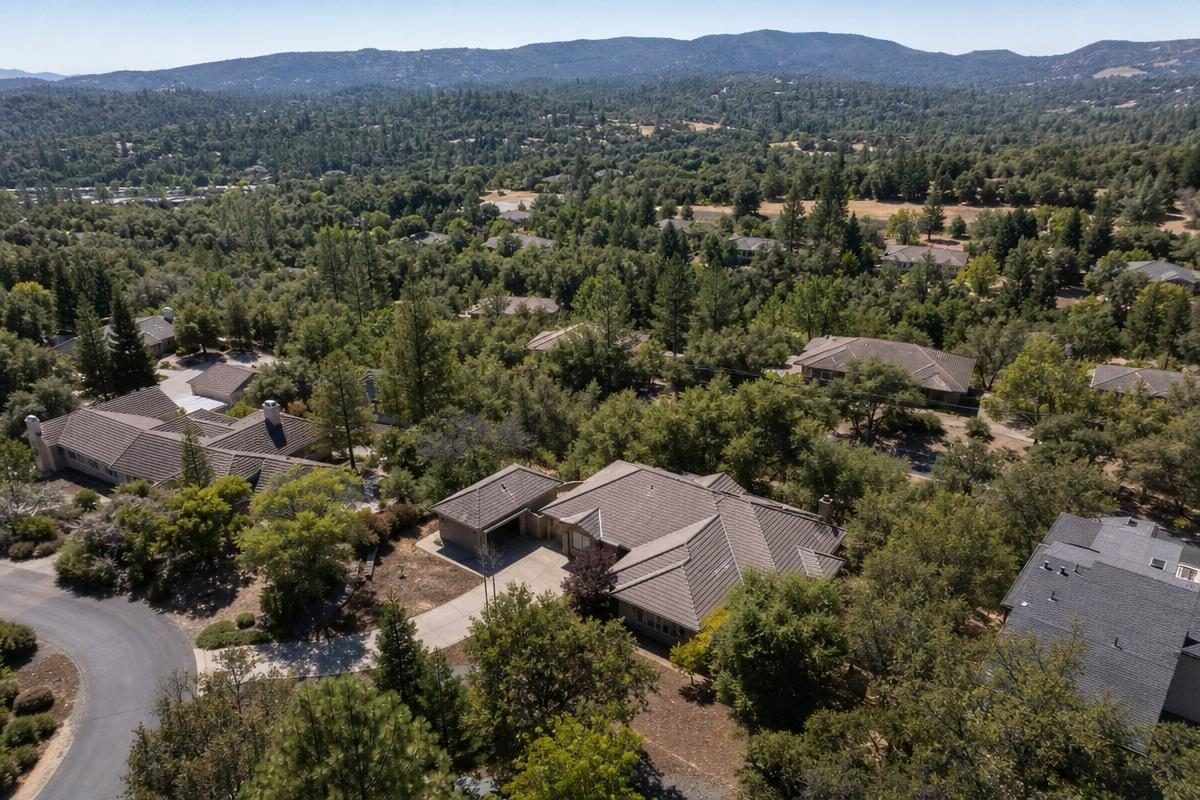
Unpermitted re-roofing on a parcel within a state-designated hazard zone creates a code violation that requires disclosure in any future real estate transaction, including the defensible space inspection required before close of escrow on State Responsibility Area properties. The seven steps below cover what property owners in the Rescue, Pilot Hill, and Latrobe Road corridors, along with those in the 95762 zip code, should confirm before scheduling replacement work.
- Confirm your parcel's fire hazard classification. Use the state hazard-zone viewer to verify whether the property sits within a designated zone, because that classification determines which building code provisions apply to any re-roofing permit.
- Verify the Class A UL listing on existing materials. The roofing material's UL classification must appear on the product data sheet; a label alone is not sufficient documentation for a permit inspection.
- Inspect all attic vents for OSFM-listed ember-resistant compliance. Standard louvered vents are a primary ember point of entry, and replacing them with listed assemblies is required on re-roofing projects in designated zones.
- Confirm net free area after any vent upgrade. Ember-resistant vent assemblies typically reduce net free area; the replacement specification must maintain the ventilation rate required under Title 24 to avoid a separate code deficiency.
- Clear roof valleys and gutters of combustible debris. Oak woodland debris accumulation in valleys is a common ignition pathway in foothill communities, and a clean roof surface is required documentation for some insurer re-inspection requests.
- Document roofing condition with a written inspection report. A dated, written report establishes a baseline record useful for both permit applications and insurance carrier correspondence; see our guide on filing a roof insurance claim in California for how that documentation is used.
- Obtain a re-roofing permit before replacement work begins. The county building department requires a permit for any re-roofing project in a designated zone, and work performed without one creates a disclosure obligation that complicates future title transfer.
Our drone inspection service produces a written condition report covering all seven items above for properties throughout the Rescue, Pilot Hill, Folsom Lake corridor, and surrounding foothill communities. For a full comparison of compliant material options, our guide to the best roofing materials for Shingle Springs homes covers current Class A roofing choices suited to this region's fuel-load conditions.
Frequently Asked Questions
Does every home in the 95762 ZIP code need a Chapter 7A-compliant roof?
Not automatically, but most properties in the unincorporated foothills communities around Rescue, Orangevale, and the broader SRA do. The hazard zone designation is parcel-specific. Properties mapped as State Responsibility Area by the state fire authority fall under Chapter 7A for any re-roofing permit; properties inside a city's Local Responsibility Area may face parallel municipal codes instead. The property owner should confirm their parcel's designation using the state hazard-zone viewer before assuming either direction.
Unpermitted re-roofing work does not exempt a property from compliance. Any re-roofing permit pulled in a designated zone activates full assembly compliance requirements, including underlayment, field material, and ventilation screening. Unpermitted work creates a code violation that must be disclosed in future real estate transactions.
What is the difference between a defensible space inspection and a roof inspection?
A defensible space inspection evaluates the 100-foot vegetation and debris management zone around the structure. It is conducted by the county fire authority and is required before close of escrow on SRA parcels. A contractor roof inspection evaluates structural integrity, material classification, flashing condition, and vent screening in detail. The two assessments address different compliance requirements and are not interchangeable. SRA parcel owners preparing for a real estate transaction need both.
How much does a WUI-compliant roof replacement cost compared to a standard replacement?
The cost difference is driven primarily by assembly requirements, not material cost alone. Wood shake and untreated wood shingles are prohibited, and three-tab asphalt shingles without a documented Class A UL listing also fail compliance. Concrete tile and metal roofing carry no WUI-specific cost premium because they meet Class A assembly requirements by default. For a detailed look at what replacement costs in this market, see our breakdown of how much does a new roof cost in Shingle Springs. Written estimates should itemize material specifications and UL listing documentation so the property owner can verify compliance before work begins.
Homeowners in the foothill communities facing a re-roofing project, an insurance non-renewal notice, or an upcoming real estate transaction on an SRA parcel have a narrow window to get documentation in order before consequences compound. Roof Geeks conducts drone roof inspections across the area, producing written compliance reports that cover material classification, vent screening status, flashing condition, and defensible space preparation. Call (916) 888-7663 to schedule an inspection, or visit our website to learn more about WUI-compliant roofing services.
Ready to Get Started with Roof Geeks?
Call (916) 888-7663 to speak with our team directly. We're ready to answer your questions, walk you through your options, and help you find the right solution for your needs. Whether you're just starting to plan or ready to move forward, we'll make the process simple and stress-free.
Reach out today and let's talk about how we can help.