The number printed on a shingle package and the number of years your roof will realistically perform are not always the same thing. A shingle rated for 30 years in a mild, temperate climate may deliver 22 years on a south-facing slope in Sacramento's Central Valley. That same shingle might only reach 18 years on a Sierra foothill home that faces hail, freeze-thaw cycles, and high-wind events in addition to the UV exposure of a valley summer.
Understanding what your specific roof can realistically be expected to deliver, given your material, your location, and how the system has been maintained, is one of the most practically useful things a Sacramento-area homeowner can know. It changes how you budget, what you watch for, and when you start planning instead of reacting.
This post gives you honest, locally grounded lifespan expectations for every major roofing material used in the Greater Sacramento region, explains the specific climate factors that separate this area from national averages, and identifies the variables within your control that have the biggest effect on whether your roof reaches the top or bottom of its expected range.
Why National Lifespan Estimates Do Not Tell the Full Story Here
When manufacturers publish warranty periods or when roofing guides quote average lifespans, they are working from data that spans the entire country. A 30-year shingle warranty reflects a statistical average across climates ranging from the Pacific Northwest to the Gulf Coast to New England. None of those climates are the Sacramento Valley or the Sierra foothills.
The Greater Sacramento region presents a specific combination of stressors that work against roofing materials in ways that national estimates do not fully account for.
First, the UV load. Sacramento averages well over 250 sunny days per year. Ultraviolet radiation is the primary driver of asphalt shingle degradation. It breaks down the volatile oils that give shingles flexibility, causes the asphalt matrix to oxidize and become brittle, and accelerates granule loss on the surface that serves as the shingle's UV shield. The daily UV exposure a Sacramento-area roof absorbs over a summer season exceeds what a roof in a cloudier or northern climate receives across an entire year.
Second, thermal cycling. Sacramento summer afternoons regularly push roof surface temperatures well above ambient air temperature. Those same surfaces cool significantly at night and during morning hours. This daily cycle of expansion and contraction stresses the adhesive strips that hold shingles in place, works fasteners loose over time, and creates micro-fractures in the asphalt matrix that compound season after season.
For homes in the Sierra foothills east of Sacramento, including communities throughout El Dorado County, the stress profile adds further complexity. Higher elevations bring seasonal hail, occasional snow loads, and frost events that create freeze-thaw cycling on top of the UV and heat stress the lower valley produces. Materials that would serve 25 or more years in the valley may reach only 18 to 22 years in Placerville, Pollock Pines, or Cameron Park.
With that context established, here is what each major roofing material can realistically deliver in this region.
Asphalt Shingles: The Most Common Material and What to Expect
The majority of residential homes across the Greater Sacramento area are covered with asphalt shingle roofing, and for good reason. They are cost-effective, widely available, and straightforward to install and repair. Understanding their realistic lifespan here is important because it is the category where the gap between manufacturer claims and real-world performance tends to be widest.
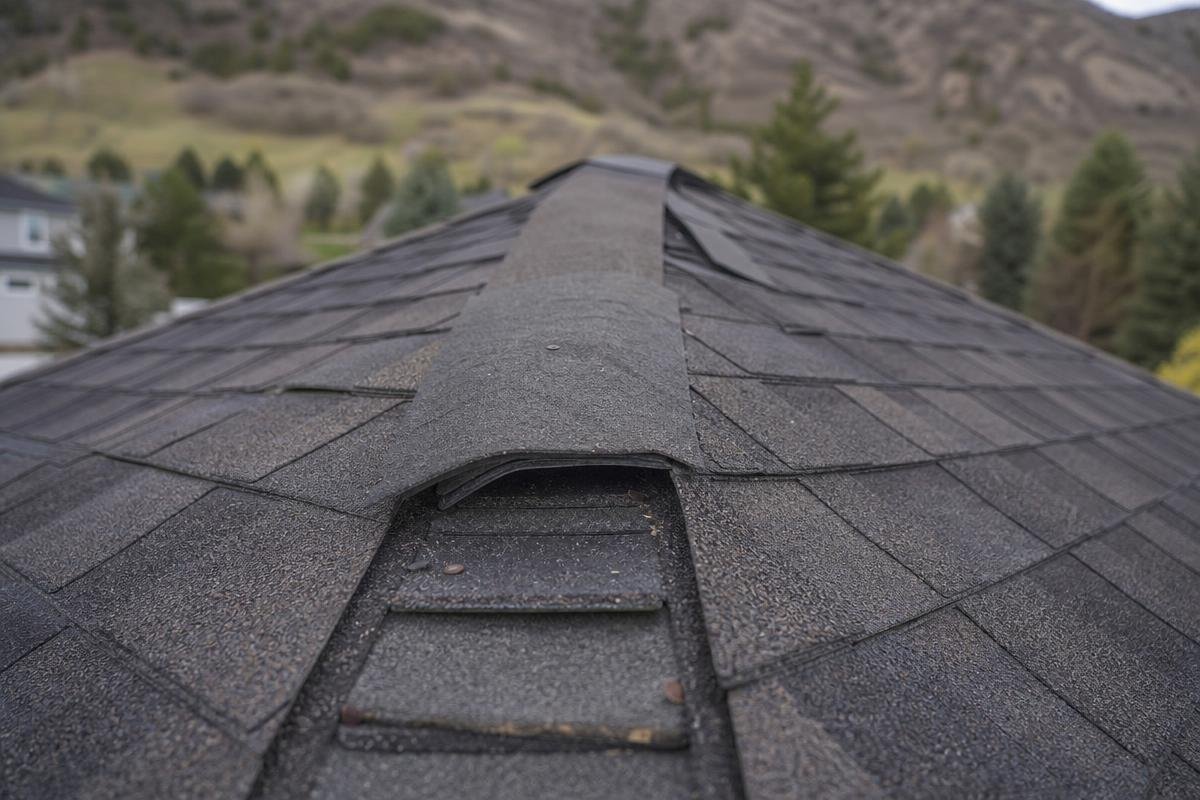
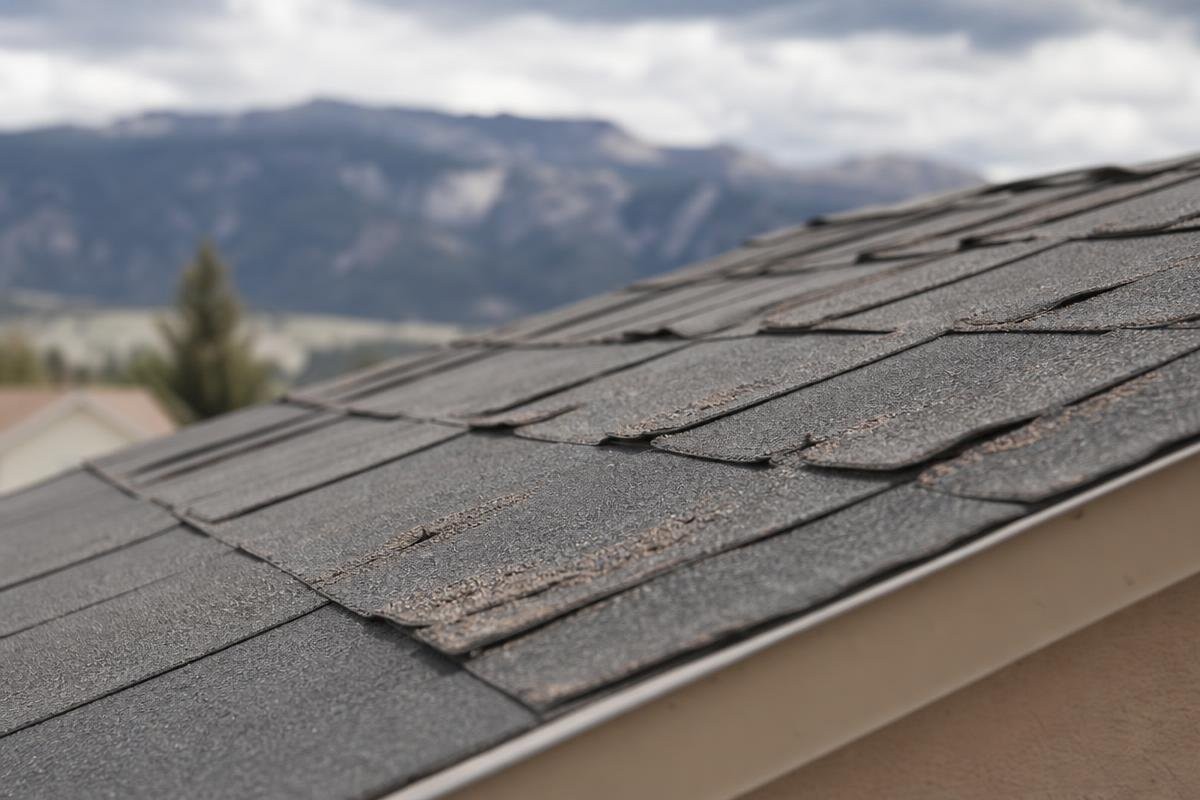
Three-tab asphalt shingles, the thinner, single-layer product common on older Sacramento homes, carry a 15 to 20-year expected lifespan nationally. In this region, assume the lower portion of that range is realistic on south- and west-facing exposures with significant summer sun. A 15-year-old three-tab roof in Sacramento that shows widespread granule loss, curling edges, and stiffness is not an anomaly. It is performing as the climate would predict.
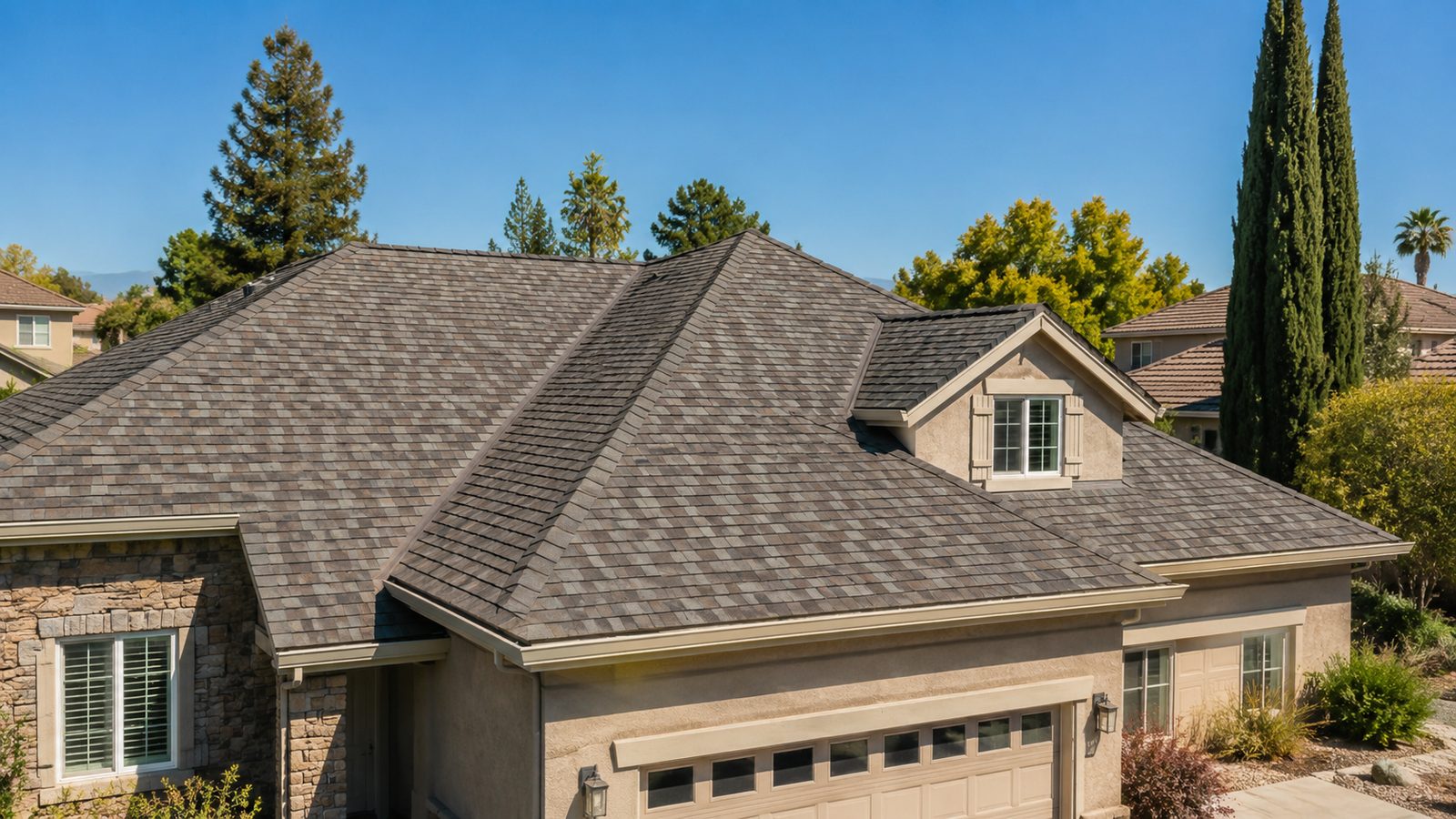
Architectural shingles, also called dimensional shingles, are thicker, more durable, and carry 25 to 30-year warranties. In Sacramento Valley conditions with adequate maintenance and proper ventilation, 22 to 27 years is a realistic expectation. For foothill properties with added hail and freeze-thaw exposure, 18 to 23 years is more realistic. Homes with particularly steep south-facing slopes, poor attic ventilation, or large overhanging tree canopy will tend toward the lower end of those ranges.
Premium architectural shingles from manufacturers offering 40 or 50-year warranties have genuine advantages in granule quality, backing thickness, and UV-resistant formulations. Even these products, however, are subject to Sacramento's thermal cycling and UV intensity. A 40-year shingle here is more accurately a 28 to 35-year shingle when conditions are factored in honestly.
Metal Roofing: The Longest-Performing Option in This Climate
Metal roofing is the most durable option available to Greater Sacramento homeowners, and the Sacramento area's climate actually plays to metal's strengths rather than working against it.
Standing seam steel and aluminum systems carry manufacturer lifespans of 40 to 70 years, and in a dry, UV-intense climate like Sacramento's, that range is more achievable than it would be in a humid coastal or heavily precipitation-driven environment. Metal does not absorb moisture, does not support the biological growth that degrades organic materials, and does not lose a protective granule coating the way asphalt does.
Metal's reflective properties also address one of the Sacramento region's most impactful roof stressors directly. Where asphalt absorbs solar heat and transfers it into the attic space, metal reflects a significant portion of that radiant energy. The result is lower roof surface temperatures, reduced thermal stress on the material itself, and meaningful reductions in attic heat buildup that translate to lower cooling costs through Sacramento's long summer season.
For homeowners in El Dorado County communities within designated fire hazard zones, metal's noncombustible Class A fire rating adds a practical advantage that asphalt cannot match by its fundamental nature, regardless of rating.
The trade-off is the upfront cost, which runs approximately two to three times the price of architectural asphalt shingles at installation. Evaluated across a full ownership period, however, the lifecycle cost comparison often narrows considerably, particularly when multiple asphalt replacement cycles are factored in.
Tile Roofing: Long Lifespan With an Important Caveat
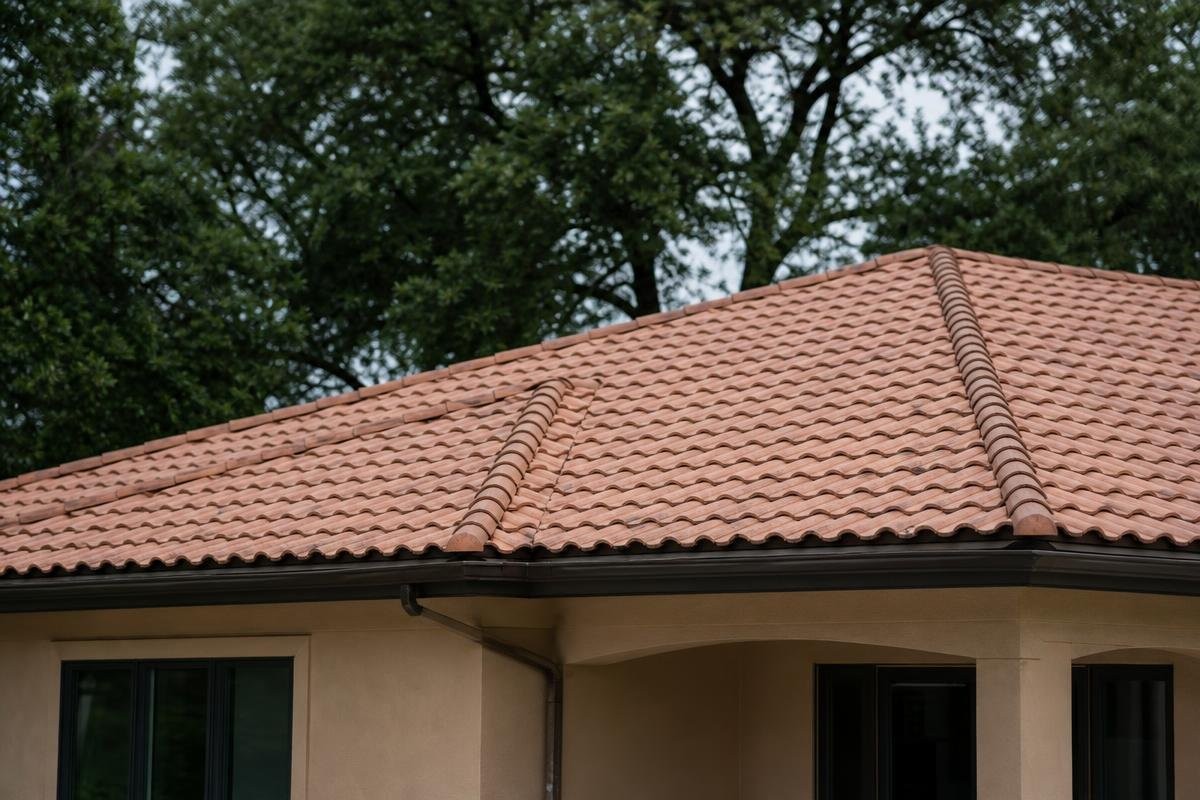
Tile roofing in both clay and concrete varieties is among the most durable options available, with manufacturer lifespans typically cited at 50 years or more. Clay tile in particular is well-suited to dry, sunny climates and can realistically achieve its full rated lifespan in the Sacramento Valley.
The important caveat for Sacramento-area homeowners with tile roofs is the distinction between the tile itself and the underlayment beneath it. Tile acts as the visible weather surface, but the underlayment beneath the tiles is what provides the waterproofing barrier that protects the structure. That underlayment typically needs to be replaced every 20 to 25 years regardless of the condition of the tiles above it. Homeowners who assume their 35-year-old tile roof is fine because the tiles look intact may be living with failed underlayment that will produce leaks the next time a significant rain event pushes water under the tile edges.
A professional roof inspection on any tile roof approaching the 20-year mark should include specific evaluation of underlayment condition, not just the visible tile surface.
Concrete tile is also durable and cost-effective relative to clay, though heavier. It performs well under Sacramento conditions but is somewhat more susceptible than clay to surface degradation from freeze-thaw cycling, making it a consideration for higher-elevation foothill properties.
Flat and Low-Slope Roofing: A Different Calculation
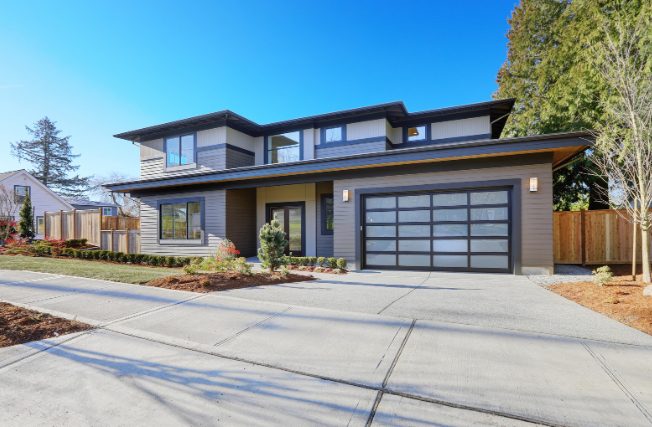
Flat roofing systems, common on commercial properties and some residential additions or modern-style homes throughout the Sacramento area, operate on a different lifespan model than pitched residential systems. Most flat roofing membranes, including TPO, modified bitumen, and built-up roofing, carry lifespans of 15 to 25 years depending on the product, installation quality, and how well drainage is maintained.
Sacramento's climate is relatively favorable for flat roofing compared to high-precipitation environments, but the UV intensity and thermal expansion cycles place consistent stress on membrane seams and flashing terminations. Regular inspection and maintenance of these systems, particularly at seams, penetrations, and drainage points, is essential to achieving the upper end of the expected lifespan range.
The Variables That Determine Where Your Roof Falls in Its Range
Knowing the typical lifespan for your material type is the starting point. What actually determines whether your specific roof lands at 18 years or 27 years comes down to several factors, some outside your control and some squarely within it.
Installation Quality
This is the single most consequential variable in roof lifespan, and it is one that homeowners cannot correct after the fact. A roof installed with improper nailing patterns, insufficient underlayment, poorly integrated flashing, or incorrect shingle exposure will begin developing problems within its first years and will fail well before its material's rated lifespan. An architectural shingle installed to manufacturer specification by a skilled contractor can realistically reach 25 to 28 years in Sacramento conditions. The same product installed poorly may fail in 12 to 15 years regardless of the brand on the package.
When evaluating contractors for a roof replacement, the quality of the installation methodology matters at least as much as the material being specified. Ask about nailing patterns, underlayment specifications, valley treatment, and flashing approach at every penetration.
Attic Ventilation
Poor attic ventilation is the most common and most preventable cause of premature roof failure in the Sacramento area. When attic airflow is inadequate, heat builds up under the roof deck during Sacramento's long, hot summers to levels that bake the shingles from beneath while the sun bakes them from above. Attic temperatures in poorly ventilated spaces can reach extreme levels during peak summer months, and that trapped heat accelerates the oxidation and brittleness of asphalt materials significantly.
Research and field experience consistently show that inadequate ventilation can reduce a shingle roof's lifespan by 20 to 30 percent or more compared to a properly ventilated system. For an architectural shingle roof that might otherwise reach 25 years, that reduction represents five to seven years of life lost to a mechanical deficiency rather than the inherent limitations of the material.
Poor ventilation also traps moisture during winter months, promoting mold growth and wood rot in the decking. Many Sacramento homeowners who discover decking damage during a roof replacement are encountering the result of years of ventilation deficiency rather than any failure of the roofing material itself.
Roof Orientation and Slope
South- and west-facing slopes receive more direct sunlight and therefore more UV exposure than north- or east-facing surfaces on the same roof. A home with a prominent south-facing slope in Sacramento will see that slope age faster than the corresponding north-facing surface. This is why granule loss and shingle curling often appear on one side of a roof well before the other.
Slope also matters for water management. Steeper pitches shed water more quickly and completely, reducing the duration that moisture sits on the surface after rain. Lower-slope roofs expose material to standing water for longer periods after each rain event and are more susceptible to the moss and algae growth that can develop on shaded sections during winter.
Maintenance History
A well-maintained roof consistently outlasts a neglected one, often by several years. Maintenance that extends roof lifespan includes clearing debris from the surface and valleys regularly, keeping gutters clean so water does not back up against the roofline, trimming overhanging branches that abrade shingles and increase debris load, and identifying and addressing minor flashing and sealant failures before they allow water infiltration into the structure.
The economics of maintenance are straightforward: a professional inspection that catches a minor flashing issue early prevents the progressive moisture damage that could compound into a much more costly decking repair and a premature full replacement.
Whether the Previous Roof Was Torn Off
Homes that had a new roof installed over an existing layer rather than a complete tear-off to bare decking carry a structural penalty. The additional layer traps heat and prevents the installing contractor from inspecting the decking for rot, soft spots, or moisture damage. New shingles installed over a compromised or heat-trapping substrate will not achieve their full rated lifespan.
If you are unsure whether your current roof was a tear-off replacement or an overlay, a professional inspection can usually determine this.
Signs Your Roof Has Reached the End of Its Useful Life
Knowing your roof's age is the starting point, but condition matters as much as years. These are the indicators that a Sacramento-area roof is approaching or has reached the end of its productive life:
- Widespread granule lossvisible as bare or thin patches on the shingle surface, or large granule accumulation in gutters after years of gradual shedding
- Curling or cuppingacross multiple shingles on the same slope, indicating the shingles have lost their dimensional stability
- Cracking or brittlenessthat causes shingles to break rather than flex when handled
- Missing shingles in multiple locationsrather than isolated single replacements from wind events
- Daylight visible through the roof boardswhen checking the attic during daytime
- Water staining or moistureon attic framing, insulation, or the underside of the roof deck
- A roofline that is no longer straight and consistentalong its full length, indicating possible decking or structural compromise below
If your roof is within five years of its realistic lifespan range and showing two or more of these signs, planning for replacement is more financially sound than continuing to invest in repairs on a system that is in its final years.
Frequently Asked Questions
Does a 30-year shingle warranty mean my roof will last 30 years?
Not necessarily, and not automatically in Sacramento conditions. Manufacturer warranties primarily cover material defects, not performance degradation from weather exposure or thermal aging. In Sacramento's UV-intensive, thermally active climate, architectural shingles realistically deliver 22 to 27 years when properly installed and maintained. Reaching the upper end of that range requires adequate attic ventilation, good installation practice, and routine maintenance. The warranty is protection against defective products, not a performance guarantee against the local climate.
My roof is 20 years old but looks fine. Do I need to worry?
Age is a significant factor even when visible symptoms are not yet obvious. Asphalt shingles that are 20 years old in Sacramento have experienced substantial UV oxidation and thermal cycling. The granule coating that protects the asphalt core may be significantly depleted even if the shingles still appear intact from the ground. A professional inspection that includes close evaluation of shingle condition, granule coverage, flashing integrity, and attic ventilation will give you an accurate picture of where a 20-year-old roof actually stands, versus what it looks like from the driveway.
How do I know if my attic ventilation is adequate?
The most reliable answer comes from a professional evaluation. Signs that suggest ventilation may be inadequate include excessive heat when entering the attic on a warm day, moisture staining or frost on the underside of the roof deck in winter, a roof that ages noticeably faster on one side than the other when ventilation is asymmetric, and higher-than-expected cooling costs during summer. If your roof is showing premature aging relative to its age and material type, ventilation should be among the first things evaluated.
Does the direction my roof faces affect how long it lasts?
Yes. South- and west-facing slopes receive significantly more direct solar radiation than north- and east-facing surfaces. On Sacramento homes, south-facing slopes often show granule loss, cracking, and curling several years ahead of north-facing slopes on the same roof. When evaluating your roof's condition, south and west slopes should receive the closest scrutiny.
Is it worth spending more on premium shingles in Sacramento?
Premium architectural shingles typically offer genuine advantages in granule quality, backing thickness, and UV-resistant formulations that translate to real, if incremental, lifespan gains. Whether those gains justify the cost premium depends on your situation. For homeowners who plan to remain in the home long-term and want to minimize future replacement cycles, upgrading from standard to premium architectural shingles is reasonable. For homeowners who are approaching a sale or have a shorter planning horizon, standard architectural shingles installed correctly with proper ventilation deliver strong value.
When should I start planning for replacement versus continuing to repair?
As a general principle, targeted repairs on a roof with localized damage and at least eight to ten years of estimated remaining life make financial sense. When a roof is within five years of its realistic lifespan and showing systemic degradation across multiple slopes, the math shifts. Repair costs on an aging roof tend to increase in frequency and scale as the underlying material becomes more brittle and more vulnerable to weather events. At that point, planning for replacement rather than reactive repair usually delivers better value.
About Roof Geeks
Roof Geeks is a full-service roofing contractor serving homeowners across El Dorado County and the Greater Sacramento region. From Cameron Park and Rocklin to Citrus Heights and South Lake Tahoe, our team provides honest assessments, professional installation, and lasting roofing solutions built for the demands of this region's climate. We give homeowners the accurate information they need to make confident decisions about their roofs.
Not Sure Where Your Roof Stands? Let's Find Out Together
Whether your roof is approaching the end of its expected lifespan, showing early warning signs, or you simply want a clear picture of what you are working with, a professional inspection is the right starting point. Roof Geeks serves homeowners throughout Placerville, Elk Grove, Granite Bay, Fair Oaks, and communities across the Greater Sacramento area. Call us at (916) 888-7663 or schedule your inspection online and get an honest, experienced evaluation of exactly where your roof stands.