Spring arrives in Sacramento with warm afternoons, valley breezes, and the particular kind of optimism that comes after months of rain. It also arrives with something less visible: the accumulated effects of a winter that tested every weak point in your roof system.
Greater Sacramento homeowners experience a seasonal pattern that makes spring maintenance especially important. Winter brings concentrated rainfall from November through March, wind events that probe loose shingles and failing flashing, and debris loads from the region's millions of valley oaks, sycamores, mulberries, and walnuts. Then, almost without warning, the weather pivots hard toward the dry heat of a Sacramento summer, where rooftop temperatures can climb dramatically above ambient air and UV exposure accelerates deterioration in any material that entered the season already compromised.
The window between the end of the rainy season and the arrival of real summer heat is the most valuable maintenance window of the year. Problems identified now are repaired under mild conditions, before the heat compounds them. Problems left unaddressed carry forward into six months of drying, baking, and UV stress that turns small issues into larger ones.
This checklist walks through every meaningful task Greater Sacramento homeowners should complete each spring, explains why each item matters locally, and clarifies what is reasonable to handle yourself versus what warrants a professional visit.
1. Do a Complete Ground-Level Visual Inspection
The first step costs nothing and can be done in under fifteen minutes. Walk the full perimeter of your home and look up at every slope, ridge, valley, and eave. Binoculars help with higher sections. You are not trying to perform a professional assessment from the ground but rather to identify obvious problems that need attention before anything else.
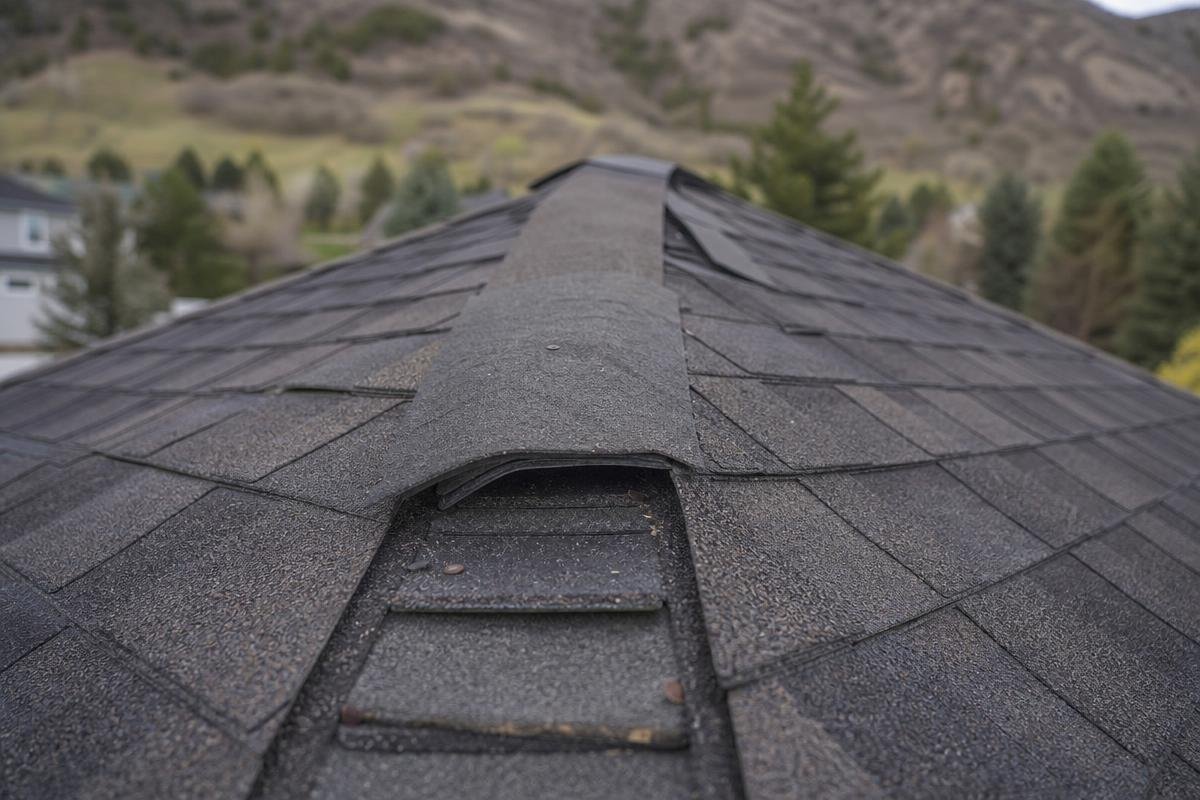
Look for shingles that are visibly missing, lifted at the edges, or buckled in the middle. Curling at the edges indicates the shingles have lost flexibility with age, a condition the coming summer heat will worsen quickly. Dark staining or black streaks on the roof surface can indicate algae growth, which is more common on north-facing slopes that retain moisture longer after winter rains. Look for any displaced ridge cap sections, which are the shingles running along the peak of the roof and are among the most wind-exposed components of the system.
Also look at the roofline itself. If any section of the ridge or eave appears to sag or dip compared to adjacent areas, that warrants professional evaluation. A straight roofline should look consistent along its full length.
None of this requires getting on the roof. If anything you observe raises concern, it is the appropriate prompt to schedule a professional roof inspection before the season progresses.
2. Clear Debris from the Roof Surface and Valleys
Sacramento earns its "City of Trees" nickname honestly. With roughly one million trees across the metro area, spring arrives with a substantial debris load on most residential roofs. Valley oaks and sycamores drop leaves and small branches throughout winter. Walnut trees shed debris through the colder months. By the time spring arrives, the valleys and lower slopes of many Sacramento roofs carry a season's worth of accumulated organic material.
This debris matters beyond appearance. Leaves and organic matter trap moisture against the roof surface, creating sustained dampness that accelerates granule loss on asphalt shingles, encourages moss and algae growth, and in valleys concentrates pooled water at exactly the points where two slopes meet and water volume is highest.
Clear debris from the roof surface using a soft brush or leaf blower on a low setting. Work from the ridge down toward the eaves, not across the slope, to avoid lifting shingle edges. Roof valleys deserve particular attention, as debris accumulates there naturally due to the geometry of the roof. Avoid pressure washing. It strips protective granules from asphalt shingles and can force water under laps and flashings.
Also clear debris from any areas where roof surfaces transition to walls, around chimney bases, and behind any raised roof features where material tends to collect.
3. Inspect and Clean Gutters and Downspouts
This is the highest-priority maintenance task on any spring checklist for Sacramento homeowners. Gutters that were partially functional through the winter may have reached the end of their tolerance. Heavy debris loads combined with the weight of wet leaves can bend hanger positions, pull sections away from the fascia, or crack older sectional systems entirely.
Start by clearing all debris from the gutter channels. Check that every downspout is clear by flushing water through from the top. Water should exit at the base immediately and steadily. Any hesitation or backup indicates a blockage that needs to be cleared before the next significant rain.
While cleaning, evaluate the gutters structurally. Look for sections that sag between hanger points, gaps where sections have separated at the joints, rust spots or visible holes, and any areas where the gutter has pulled away from the fascia. Granules accumulated in the bottom of the gutter channel are also worth noting, as they are shed from aging shingles and can indicate that your roof is entering the final portion of its lifespan.
If you find isolated damage, targeted gutter repair services can address seam failures, re-hang sagging sections, and reseal leaking joints. If the system is older and showing failure across multiple points, spring is the right time to evaluate gutter installation of a new seamless system before the next rain season begins.
Downspout extensions should direct water at least four to six feet from the foundation. Check that extensions are still connected and properly positioned after any wind events or ground disturbance during winter.
4. Check All Flashing for Gaps, Rust, and Lifting
Flashing is the thin metal sealing that covers the joints where your roof meets vertical surfaces: chimney bases, plumbing vent pipes, HVAC penetrations, wall intersections, and around skylights. These are the points where two materials meet at an angle, and they represent the most common entry points for water when maintenance is deferred.
Sacramento's winter temperature cycling causes metal flashing to expand and contract repeatedly. Over a single season, that movement can separate sealant from the surface, lift edges that were previously adhered, or open small gaps at step flashing along walls. These gaps are typically invisible from the ground but allow water to track behind the flashing and into the roof assembly, often traveling along framing before emerging as a water stain on a ceiling well away from the actual entry point.
Inspect flashing on any accessible section from ground level with binoculars, and check your attic space from below for any discoloration or moisture near penetrations. Pay specific attention to the flashing at chimney bases, where deteriorated sealant is among the most common sources of roof leaks in the region. If you have a skylight contractor perform any work on skylights, flashing should be evaluated at the same time.
Flashing repairs are not a DIY project for most homeowners. Improperly resealed flashing can hold in moisture rather than directing it away, making the problem worse. If you identify flashing concerns, professional roof repair services will address them correctly and ensure the seal is durable heading into another dry season.
5. Assess Shingle Condition Carefully
Beyond the visible ground check completed in step one, a closer shingle evaluation in spring helps establish where in the lifespan your roof currently sits and what maintenance or planning you should be doing.
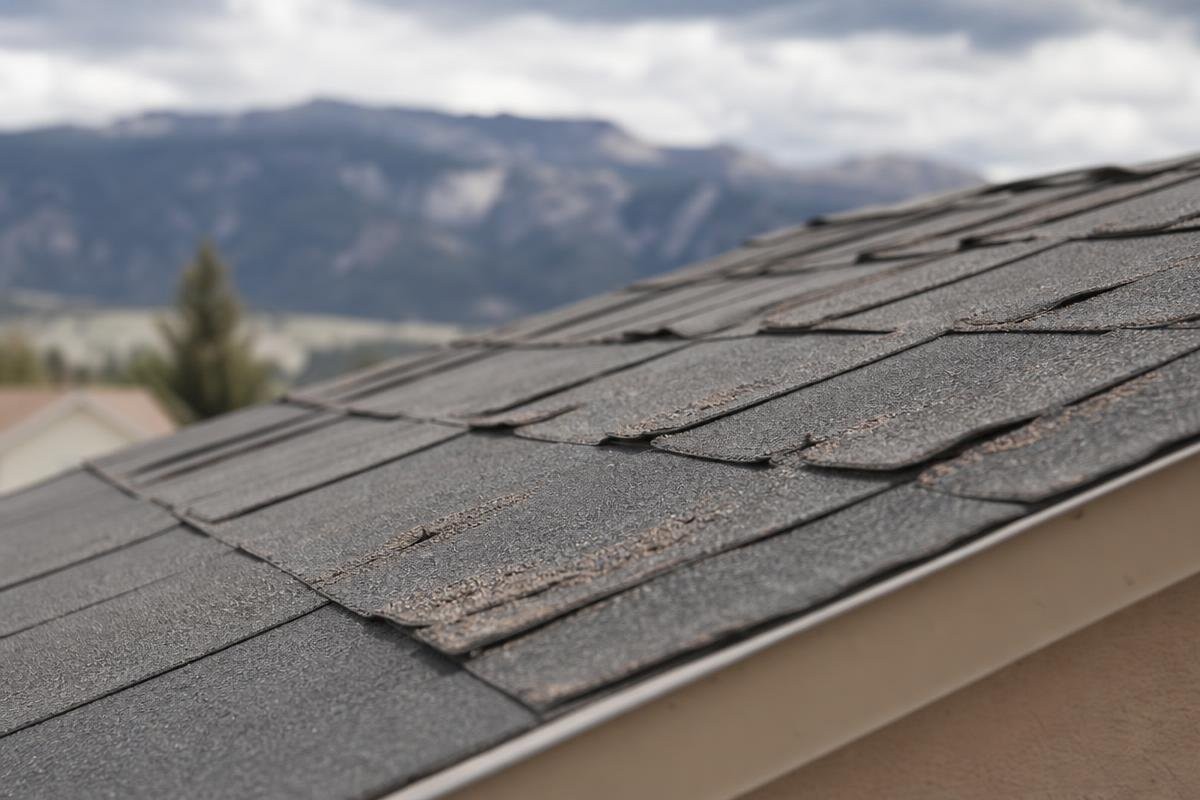
Look for granule loss. Healthy architectural shingles should have a consistent, textured surface. Areas where the granule coating has worn through to expose the underlying asphalt mat are deteriorating and will accelerate through the coming summer's UV exposure. As noted when cleaning gutters, granule accumulation in the gutters is a corresponding indicator. Some granule loss is normal on older roofs; widespread or concentrated loss across significant sections points toward a roof approaching the end of its service life.
Check for cracked, split, or brittle shingles, particularly on south- and west-facing slopes where UV exposure is most intense through Sacramento's long summer. These slopes age faster than north-facing surfaces and are often the first to show accelerated wear. Any shingle that has cracked through to the mat beneath is no longer effectively shedding water.
Look also for shingles where the tab edges have begun to curl upward. This condition, called cupping, means the shingle has lost its dimensional stability and will continue to worsen under summer heat. Cupped shingles no longer lie flat and create gaps that allow wind-driven water under the surface.
If you identify isolated shingle damage, targeted repairs handled before summer are far less expensive than allowing the damage to generate an interior roof leak repair situation during a summer storm. If damage is widespread, spring is the right time to get a professional assessment and plan accordingly.
6. Examine Attic Ventilation and Check for Moisture
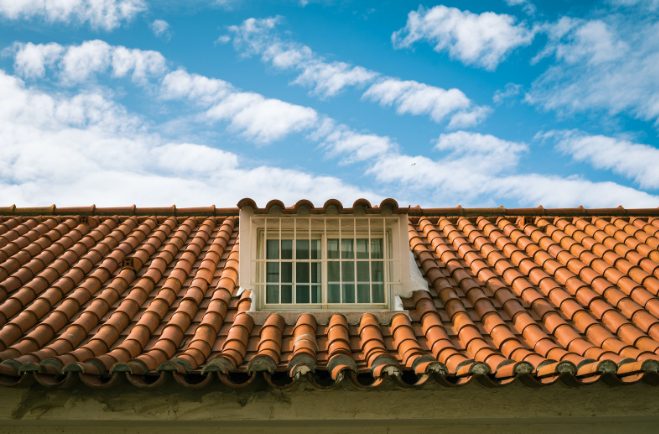
This is the checklist item most Sacramento homeowners skip, and it is one of the most consequential. Attic ventilation does two critical jobs: it allows accumulated heat to escape during summer, preventing rooftop temperatures from climbing to the levels that accelerate shingle degradation from below, and it controls moisture during winter by preventing warm interior air from condensing against the cold underside of the roof deck.
When ventilation is inadequate, Sacramento's summer heat effectively bakes the roof from two directions simultaneously: from the roof surface above and from the trapped heat below. This thermal assault shortens shingle lifespan significantly and increases cooling costs as attic heat transfers into the living space.
Go into your attic in spring and look for several things. Check for any daylight visible through the roof boards, which indicates gaps or failed areas that need immediate attention. Look for water staining or dark discoloration on rafters, sheathing, or insulation, which indicates moisture intrusion from the winter that has not yet fully dried. Check that soffit vents and any ridge vents are clear and unobstructed. Insulation pushed against the soffit vents blocks the intake airflow that makes the ventilation system function. Look for any soft spots or discoloration in the sheathing that could indicate rot from sustained moisture exposure.
If you find evidence of poor ventilation or moisture accumulation, a professional evaluation of your attic ventilation system will identify whether the configuration, number, or condition of vents is adequate for your home's roof geometry and attic volume.
7. Trim Overhanging Tree Branches
Sacramento's urban forest is one of the city's defining characteristics, and for most homeowners it is a net positive. But tree branches that overhang the roof create specific, manageable maintenance problems that spring is the right time to address.
Branches in direct contact with the roof surface abrade shingles during wind events, physically wearing the granule coating at contact points and loosening shingles along the edge. Even branches that do not touch the surface during calm conditions will contact it during the spring wind events that roll through the Sacramento Valley as weather systems transition.
Trim any branches to maintain at least six feet of clearance above the roof surface. This also reduces the debris load that falls directly onto the roof during pollen season, when Sacramento's oak, walnut, and sycamore trees shed significant material. Dense canopy directly above a roof slope also retains moisture after rain, slowing drying time and creating conditions more favorable to algae and moss growth.
If large limbs need removal, consider whether the work is appropriate for a professional arborist. Major branch removal changes the load distribution on the tree and, if done incorrectly, can result in limb failure that causes roof damage.
8. Review Your Documentation and Insurance Coverage
Spring is a practical time to review the documentation you maintain for your roof. If you had any repairs, inspection reports, or contractor work performed in the past year, confirm those records are stored somewhere accessible. Insurance claims, warranty service requests, and future resale documentation all benefit from a clear, dated paper trail of roof condition and maintenance history.
Review your homeowner's policy to confirm what is covered in the event of storm damage. Most policies cover sudden and accidental damage from wind, hail, and falling debris. Policies do not cover deterioration from deferred maintenance. Understanding that distinction helps you make informed decisions about what to address proactively versus what would be a legitimate insurance event if it occurs.
If you have had work done that came with a manufacturer's warranty on materials or a workmanship warranty from a contractor, review the maintenance requirements in those documents. Many roofingmanufacturerwarranties require periodic professional inspections and documented maintenance to remain valid. A spring inspection that goes undone can, in some cases, affect warranty standing on a newer roof.
9. Schedule a Professional Inspection If You Have Not Had One Recently
For roofs over 10 years old, or for any home that experienced significant storm events during the winter, a professional spring inspection is a sound investment. A contractor can evaluate the roof from the surface and identify conditions that a homeowner's ground-level check cannot reliably detect: granule loss patterns, soft spots in sheathing, flashing separation, and early signs of failure in valleys and penetration seals.
The cost of a professional inspection is modest relative to the cost of the repairs that an undetected problem can generate over a Sacramento summer. A small separation in valley flashing, identified and sealed in May, is a straightforward repair. The same failure discovered in September, after six months of UV stress and a late-season storm, may have generated interior water damage that expands the scope considerably.
Spring scheduling also gives you time to plan and budget for any work that is recommended. Contractors' schedules fill as summer approaches. Identifying work in April or May rather than July means faster scheduling and, often, better pricing than peak-demand periods.
Frequently Asked Questions
How often should Sacramento homeowners have their roof professionally inspected?
Once a year is the standard recommendation, with spring being the most practical timing for most homeowners. After any significant storm event with high winds, hail, or falling branches, an additional inspection is worth scheduling regardless of the annual cycle. Roofs over 15 years old may benefit from twice-yearly professional evaluations to catch accelerating wear.
What are the most common roof problems found after a Sacramento winter?
Granule loss on shingles, flashing separation at chimneys and penetrations, gutter damage from debris weight, lifted or cracked shingles from wind events, and moisture accumulation in attic spaces are the most consistent findings. Storm-season wind events also occasionally dislodge ridge cap sections, which are the most exposed shingles on the roof.
Is it safe for a homeowner to walk on the roof during spring inspection?
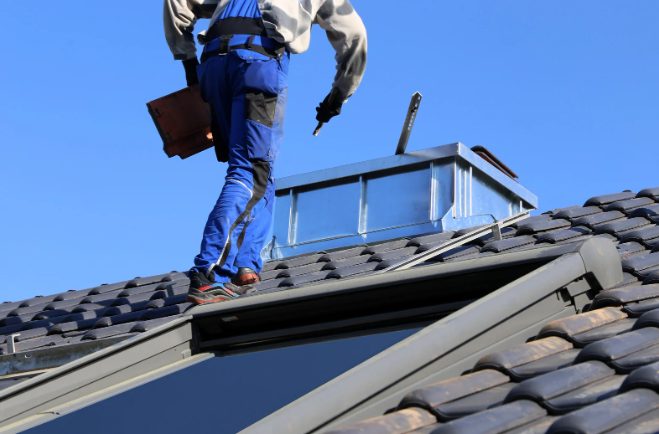
For most homeowners, staying on the ground and using binoculars to evaluate the roof is the safer and more practical approach. Damaged shingles can be unstable underfoot and wet roofing material is slippery. If a closer evaluation is warranted, a professional inspection provides a thorough assessment without the fall risk of an untrained homeowner accessing a pitched surface.
How much does spring roof maintenance typically cost in Sacramento?
The cost depends on what is identified. A professional inspection typically runs a few hundred dollars. Minor repairs such as flashing resealing, a small number of shingle replacements, or gutter rehinging are generally modest in cost when addressed promptly. The significant cost escalation occurs when small, detectable problems are allowed to generate interior water damage or structural moisture issues that require more extensive intervention.
What is the right approach to moss or algae found on Sacramento roof shingles?
Moss should be treated carefully. A diluted solution applied with a low-pressure sprayer can kill moss and algae growth without damaging shingles. Never use a pressure washer, which strips granules and damages the shingle surface. After treatment, removing dead moss by hand or with a soft brush prevents the organic matter from retaining moisture against the surface. On north-facing slopes where growth recurs, zinc or copper strips installed at the ridge are a preventive measure that inhibits future growth.
Should I address roof repairs before or after the summer?
Before. Spring repairs are made under mild conditions with the full dry season ahead, giving repaired areas optimal time to cure and settle before any additional weather stress. Repairs deferred to fall are made in shrinking weather windows as the rainy season approaches, and any problem that was not addressed carries the full Sacramento summer of UV and thermal stress before it gets attention.
How do I know if my roof needs repair or full replacement?
The key factors are age, the extent and distribution of damage, and whether problems are isolated or widespread. Isolated shingle damage, flashing failures, or gutter issues on a roof under 15 years old almost always point to targeted repairs. Widespread granule loss, curling across multiple slopes, or damage combined with a roof already past its expected lifespan are the conditions that warrant a replacement conversation. A professional inspection will give you an honest assessment of where your roof sits on that spectrum.
About Roof Geeks
Roof Geeks is a full-service roofing contractor serving homeowners across El Dorado County and the Greater Sacramento region. From Granite Bay and Fair Oaks to Elk Grove and North Highlands, our team delivers professional inspections, targeted repairs, and lasting roofing solutions built for the demands of the Sacramento climate. We provide honest assessments and back every project with the workmanship our clients can count on season after season.
Ready to Get Your Roof Set for the Season Ahead?
Spring is the right time to act, before summer heat arrives and before any winter damage has the chance to grow into something bigger. Roof Geeks serves homeowners throughout Roseville, Folsom, Rancho Cordova, Carmichael, and communities across the Greater Sacramento area. Call us today at (916) 888-7663 or schedule your spring inspection online and start the season with a clear picture of exactly where your roof stands.