Your roof does its job quietly, day after day, shielding your home from Sacramento's punishing summer heat, wet winter storms, and everything in between. Most homeowners don't think about it until something goes visibly wrong. By that point, what could have been a manageable repair has often turned into a much bigger problem.
Knowing when to move from repairs to a full roof replacement is one of the most important decisions you'll make as a homeowner. Get it right and you protect your property value, your family, and your wallet. Get it wrong and you could spend years patching a failing system that was never going to hold. This guide walks through the clear warning signs that Greater Sacramento homeowners should watch for, explains why this region's climate accelerates roof deterioration, and helps you understand when replacement is the smarter call.
How Long Should a Roof Last in the Greater Sacramento Area?
Roof lifespan depends heavily on materials and climate. In the Sacramento Valley, direct sunlight can dry out and age shingles faster than in milder regions, while in the Sierra foothills and higher elevations, hail damage, high winds, and rain are more frequent, conditions that stress shingles and cause them to crack, shift, or lose protective granules ahead of schedule.
Here is what you can reasonably expect from common roofing materials under Sacramento conditions:
- Asphalt shingles (3-tab):15-20 years under normal conditions, potentially less with heavy UV exposure and temperature cycling.
- Architectural asphalt shingles:20-30 years, though Sacramento summers can push deterioration toward the lower end of that range.
- Metal roofing:40-70 years with proper maintenance, a strong option for homeowners who want to minimize future replacement costs.
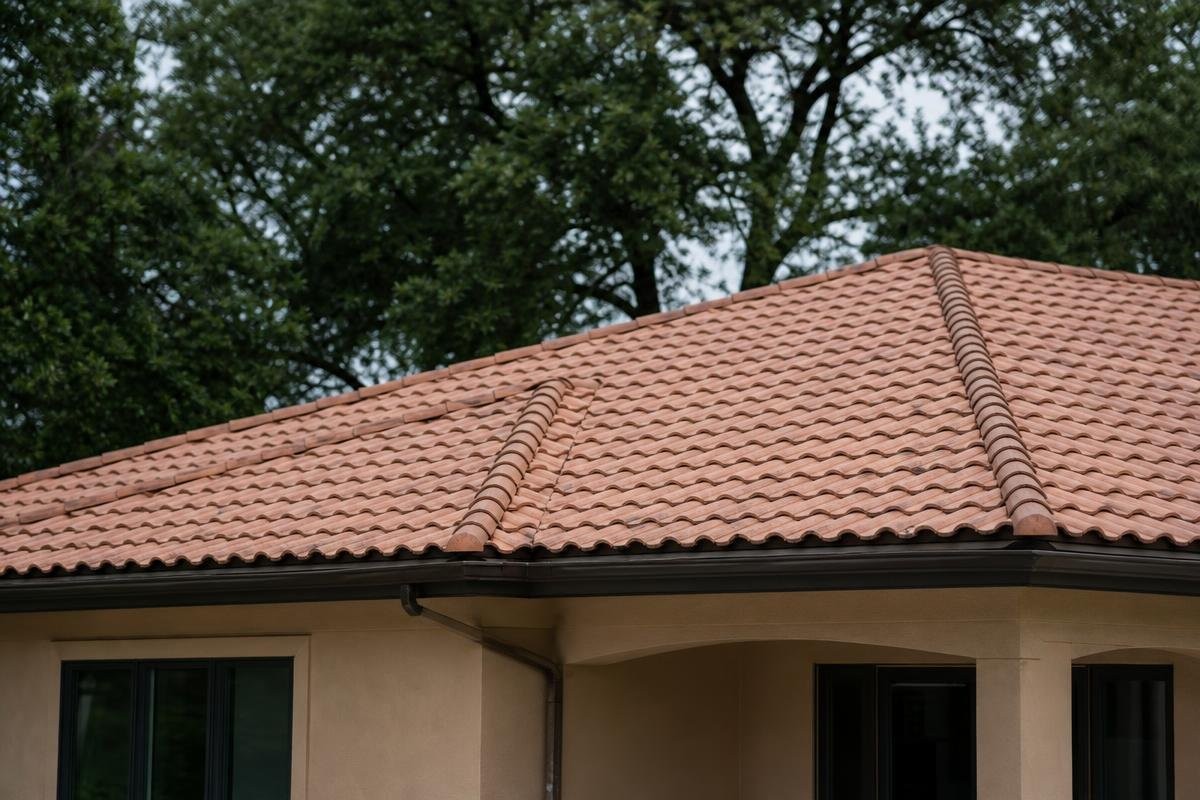
- Tile roofing:30-50 years or more, though the underlayment beneath tile typically needs attention every 20-25 years.
Day-to-night temperature fluctuations in Sacramento exert pressure on roofing materials, causing stress that manifests as fractures, especially as a roof ages. Small cracks that go unaddressed can eventually lead to full roof replacement or very expensive repairs.
If your roof is approaching the upper end of its expected lifespan, even minor symptoms deserve serious attention. Age alone is a legitimate reason to schedule a roof inspection.
8 Signs Your Roof May Need to Be Replaced
1. Your Roof Is 20 Years Old or More
The age of your roof is one of the most significant factors in deciding whether it needs repair or replacement. Most roofs last between 20 to 25 years, depending on the materials used and the environmental conditions they have been exposed to. If you are unsure how old your current roof is, check your home improvement records or ask a contractor to assess the materials and installation indicators during an inspection.
A roof that has reached this age threshold warrants a proactive assessment, not because it is guaranteed to fail tomorrow, but because deterioration often advances faster than it appears from the ground.
2. Shingles Are Curling, Cracking, or Missing
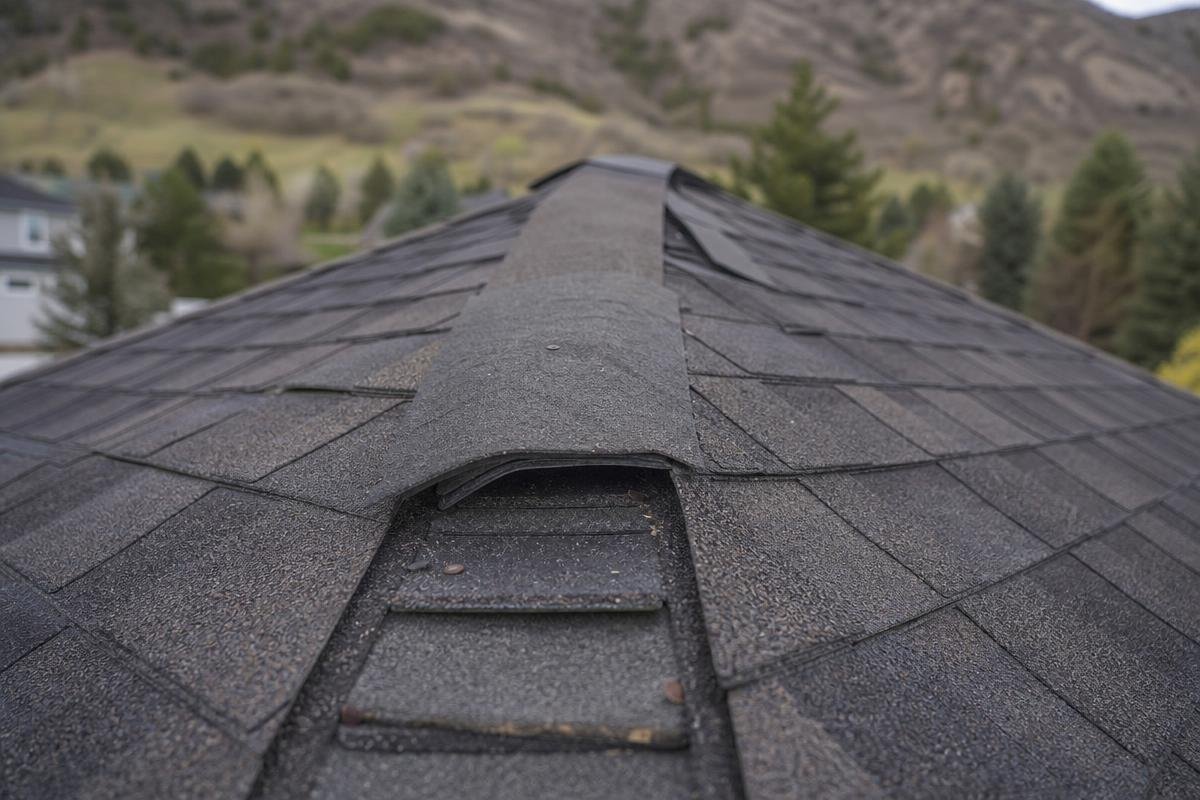
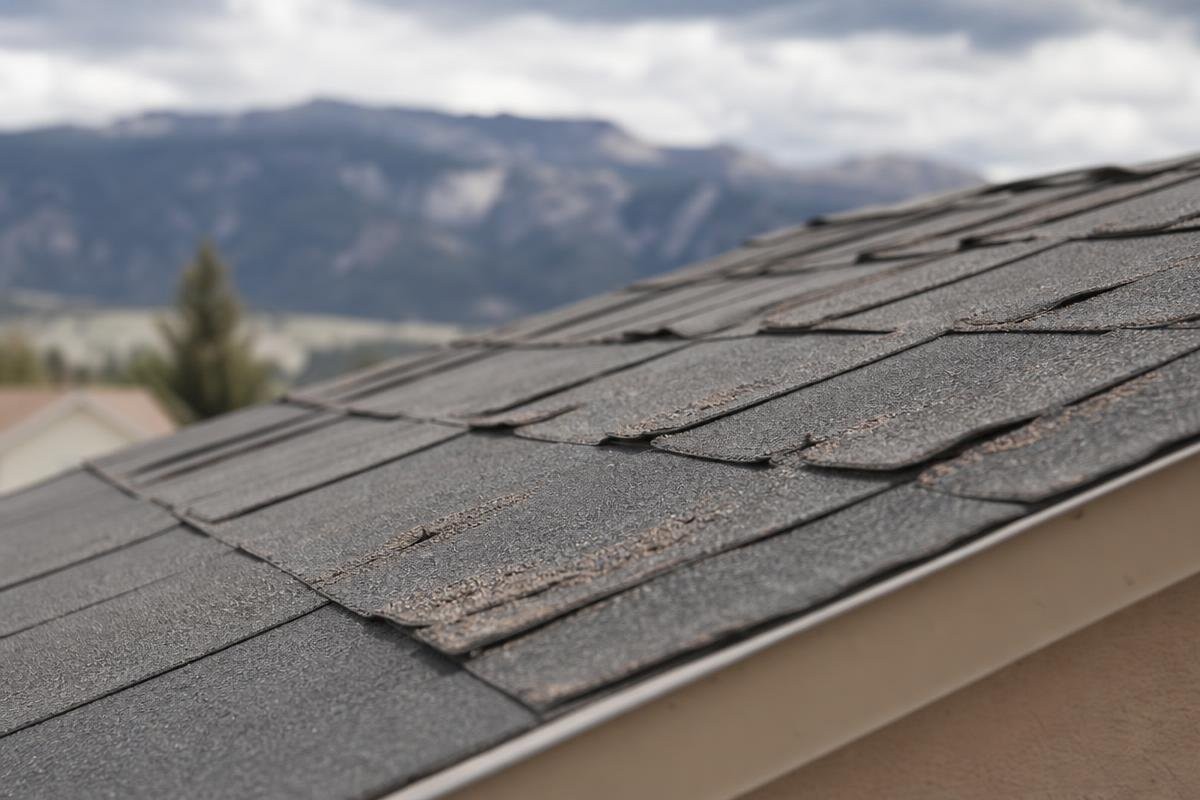
Visible signs like curling, cracking, missing shingles, or granule loss in gutters are clear indicators that shingles need replacing. Curling takes two forms: cupping, where the edges turn upward, and clawing, where the middle rises while the edges stay flat. Both mean the shingles are no longer lying flat against the roof deck and are no longer shedding water correctly.
A few missing shingles after a windstorm may be repairable. But if curling or cracking is widespread across multiple sections of your roof, that is a systemic issue, not an isolated repair situation.
3. Granules Are Accumulating in Your Gutters
Asphalt shingles are coated with mineral granules that protect them from UV damage and help shed water. When you see granule buildup in your gutters, it is a sign that your roof is reaching the end of its lifespan. An inconsistent or darker color on parts of your roof can also indicate that granules have worn away unevenly.
This is a particularly common finding in Sacramento, where intense summer sun accelerates granule loss on south- and west-facing slopes. Once the granules are gone, the asphalt beneath degrades quickly.
4. You Have Persistent or Recurring Leaks
A single leak after a severe storm may point to a specific repair. But if leaks keep returning, or if you have had the same area patched more than once, the underlying structure may be compromised in ways that surface repairs cannot fix. Water stains on ceilings or walls can signify a leaky roof, and frequent leaks are a major sign that a roof is no longer effectively keeping water out.
If you have active water intrusion, roof repair services can address targeted damage. However, if repairs have become a recurring expense, a replacement inspection will help you understand whether continued patching still makes financial sense.
5. Your Roof Is Sagging or Showing Structural Deformation
A sagging roofline is a serious warning sign that goes beyond cosmetic wear. Stand back and look at your roofline. If the line is not straight, your roof may be sagging, possibly due to water damage or age, and a repair will only be a temporary fix in this situation.
Sagging typically indicates that the decking beneath the shingles has been compromised by prolonged moisture exposure. The underlying wood may be rotten from years of leaks or the structural supports may be failing. This is not a situation to monitor and wait on.
6. You Can See Light or Feel Moisture in Your Attic
When was the last time you looked up in your attic during the day? Check your attic to see if there is any daylight coming through the roof boards, and also check for moisture in the insulation. Daylight means there are gaps significant enough to let in light, and those same gaps are letting in air and water.
Poor attic ventilation compounds this problem. When heat and moisture build up without a way to escape, the wood decking and rafters absorb that moisture over time, accelerating structural deterioration from the inside out. If you are seeing either daylight or damp insulation, schedule an inspection without delay.
7. Your Energy Bills Have Climbed Unexpectedly

A roof in poor condition loses its ability to insulate effectively. Heat from Sacramento's long, hot summers pushes through gaps and degraded materials, forcing your HVAC system to work harder. If your cooling costs have risen without a clear explanation, your roof may be part of the problem.
This is especially worth investigating in older residential roofing systems that predate modern energy codes. A replacement with current materials can often produce measurable improvements in home energy performance.
8. Flashing Is Cracked, Corroded, or Missing
Flashing seals the joints around chimneys, vents, skylights, and valleys, which are the areas most vulnerable to water intrusion. Damaged or missing flashing can lead to significant water damage inside your home. On older Sacramento homes, original flashing is often roof cement or tar that has dried and cracked over decades of seasonal expansion and contraction.
Replacing flashing alone can sometimes extend a roof's useful life, but if the surrounding shingles are also in poor condition, it typically makes more sense to address everything at once.
Repair or Replace? How to Think Through the Decision
Not every roof problem calls for a full replacement. Here is a practical framework for thinking through the decision:
Repair is usually the right call whenthe damage is localized to a small section, the roof is less than 15 years old, the overall shingle condition is sound, and previous repairs have held together.
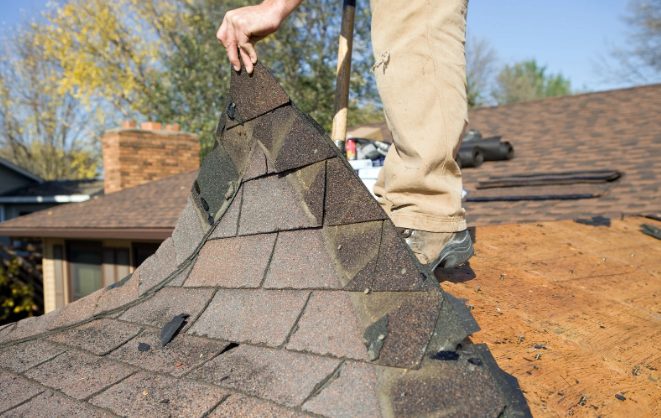
Replacement is usually the right call whenthe roof is 20 or more years old, damage is widespread across multiple sections, you have had repeated repairs in the same areas, there is evidence of decking rot or structural movement, or your energy bills have risen without explanation.
A useful rule of thumb used by many contractors is the 50 percent rule: if repairs would cost more than 50 percent of a replacement, replacing the entire roof is the more rational financial decision. A professional inspection will give you the numbers to make that comparison clearly.
If your roof damage is connected to a storm event, it is also worth reviewing your homeowner's policy. Roof insurance claims can offset a significant portion of replacement costs when the damage qualifies as a covered loss.
Why Sacramento's Climate Demands Proactive Roof Management
Sacramento homeowners deal with a genuinely demanding climate for roofing materials. Summers bring extreme UV exposure and dry heat that accelerates shingle oxidation. Winters bring extended rainfall and occasional high winds that probe every weak point in the roof system. The Sierra foothills east of the city add hail and ice to the mix during colder months.
Sacramento receives heavy rainfall during winter together with high humidity that causes deterioration of roofing materials over time. When you combine that seasonal wet-dry cycling with the thermal stress of summer heat, roofing materials in this region simply age faster than they would in a more temperate climate.
Staying ahead of that deterioration curve, through periodic inspections and timely replacement when the signals are clear, is the most cost-effective approach available to Sacramento-area homeowners. Waiting for the roof to fail completely is almost always the more expensive path.
Frequently Asked Questions
How do I know if my roof needs to be replaced or just repaired?
The key factors are age, the extent of the damage, and the history of previous repairs. If your roof is under 15 years old and the damage is isolated, a repair is often appropriate. If the roof is 20 or more years old, damage is appearing in multiple areas, or you have patched the same spots more than once, replacement is likely the better investment. A professional inspection will give you a clear picture of both options and their associated costs.
How long does a roof replacement take in Sacramento?
Most residential roof replacements in the Greater Sacramento area are completed in one to two days, depending on the size of the home and the complexity of the roofline. Weather is rarely a factor during Sacramento's dry season, which makes summer and fall popular windows for scheduling work.
What is the best roofing material for Sacramento's climate?
Asphalt shingle roofing remains the most common choice due to its balance of cost, performance, and availability. Architectural shingles outperform 3-tab versions in heat and wind resistance. Metal roofing is an increasingly popular choice for Sacramento homeowners who want a long-term solution that handles UV exposure and thermal cycling exceptionally well. Tile is another durable option with a long service life.
Will my homeowner's insurance cover a roof replacement?
Insurance typically covers roof replacement when damage is caused by a sudden event such as a storm, hail, or falling debris, and the roof was in reasonable condition before the event. Normal wear and aging are generally excluded from coverage. If you have storm-related damage, document it thoroughly and contact your insurer before scheduling repairs. A roofing contractor experienced in insurance work can help you navigate the claims process.
How often should I have my roof inspected in Sacramento?
Scheduling a professional roof inspection at least once a year or after major storms is recommended. Annual inspections allow a contractor to catch early signs of wear, such as lifted shingles, cracked flashing, or granule loss, before they develop into more serious and costly problems. Inspections are especially important for roofs over 15 years old.
Can I replace my roof during the rainy season?
It is possible, but timing a replacement during Sacramento's dry months, spring through fall, is generally preferable. Dry conditions allow crews to work safely and continuously, and minimize the risk of exposing open decking to rain mid-project. If you have an active leak heading into winter, do not wait. Have the damage assessed and addressed promptly to prevent further interior damage.
What happens if I keep repairing a roof that should be replaced?
Each repair adds short-term protection but does not stop the underlying deterioration of an aged roofing system. Over time, the cumulative cost of repeated repairs can exceed the cost of replacement, and the gaps between failures tend to shorten. More importantly, a roof that is failing across multiple areas puts your home's interior at risk of water damage, mold growth, and structural compromise.
About Roof Geeks
Roof Geeks is a full-service roofing contractor serving homeowners and businesses across El Dorado County and the Greater Sacramento region. From Roseville and Folsom to El Dorado Hills and Elk Grove, our team delivers roof replacements, repairs, and inspections with a commitment to honest assessments and lasting results. We work with all major roofing materials and back every project with the craftsmanship Greater Sacramento homeowners expect.
Ready to Find Out Where Your Roof Stands?
If you have noticed any of the warning signs covered above, or your roof is simply getting up in years, the best next step is a professional inspection. Roof Geeks serves homeowners throughout Sacramento, Citrus Heights, Carmichael, Placerville, and surrounding communities across the Greater Sacramento area. Call us today at (916) 888-7663 or schedule an appointment online to get an honest evaluation of your roof's condition and a clear plan for protecting your home.