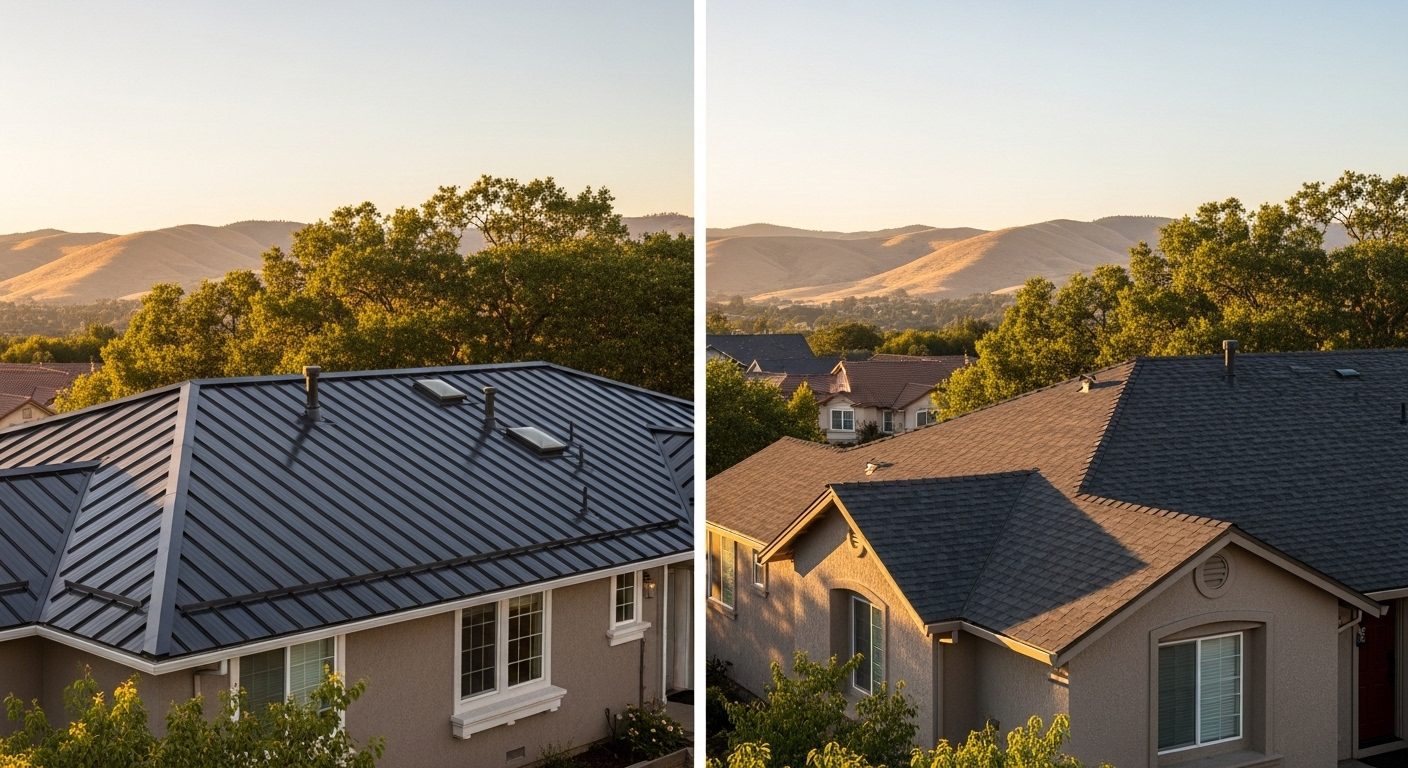
Replacing a roof in El Dorado County is not the same decision it would be in most other parts of California. The combination of wildfire exposure, Sierra foothill temperature swings, concentrated winter rainfall, and dry summers creates a set of demands that narrows the field considerably when evaluating roofing materials. Two options dominate the conversation for most homeowners: metal roofing and asphalt shingle roofing.
Both are proven, widely installed, and available with professional installation throughout the region. Both can serve a home well under the right conditions. But they perform very differently across the specific factors that matter most in El Dorado County, including fire resistance, longevity under UV and thermal stress, maintenance requirements, and long-term cost. This guide walks through each of those factors clearly so you can make an informed decision for your home.
Understanding the El Dorado County Climate and What It Demands from a Roof
Before comparing materials, it helps to understand what roofs in this region are actually dealing with.
El Dorado County spans from the Sacramento Valley floor up into the Sierra Nevada foothills and beyond. Depending on whether your home is in El Dorado Hills, Shingle Springs, Cameron Park, Placerville, Pollock Pines, or higher elevation communities, your roof faces a distinct combination of stressors.
Summers are long, hot, and dry. Roofing materials are exposed to intense UV radiation and surface temperatures that can climb well above the ambient air temperature, accelerating oxidation and granule degradation on asphalt products. Winters bring concentrated rainfall, occasional hail, and at higher elevations, snow and freeze-thaw cycles that stress seams and fasteners. Spring and fall bring high winds, particularly during periods when dry conditions combine with offshore flow.
Then there is the wildfire factor. Most of El Dorado County sits within or adjacent to designated Fire Hazard Severity Zones. The Caldor Fire of 2021 and the King Fire before it demonstrated that ember intrusion and radiant heat are real, proximate threats for homeowners throughout the county. California's Chapter 7A building standards, which apply to new and replacement roofs in Very High Fire Hazard Severity Zones, require Class A-rated roofing assemblies. The material you choose must satisfy that standard.
With that context in place, here is how metal and asphalt compare across the factors that matter most.
Lifespan and Durability
Metal roofing has a substantial advantage in this category. A properly installed metal roof typically lasts 40 to 70 years, depending on the panel type, gauge, and coating. Standing seam systems, where panels interlock and fasteners are concealed, represent the upper end of that range. Metal resists cracking, does not absorb moisture, and holds up to wind and hail without the granule loss or surface degradation that affects asphalt over time.
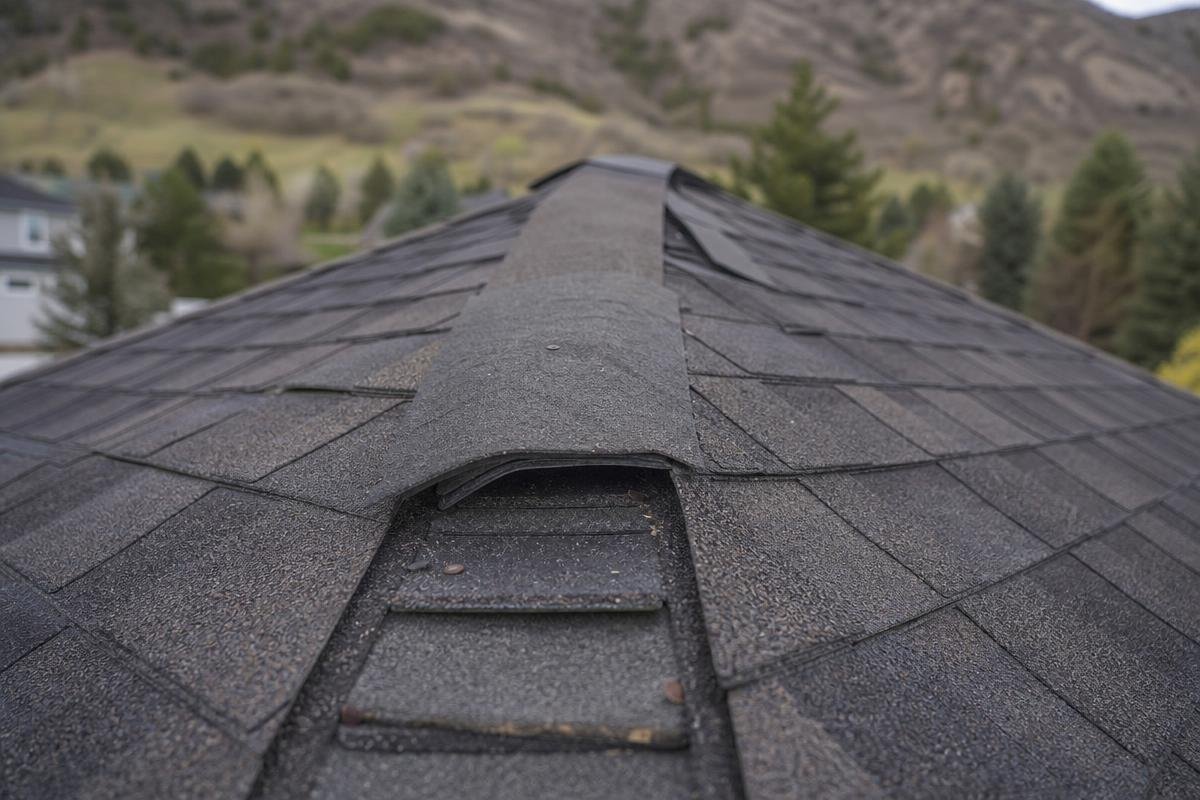
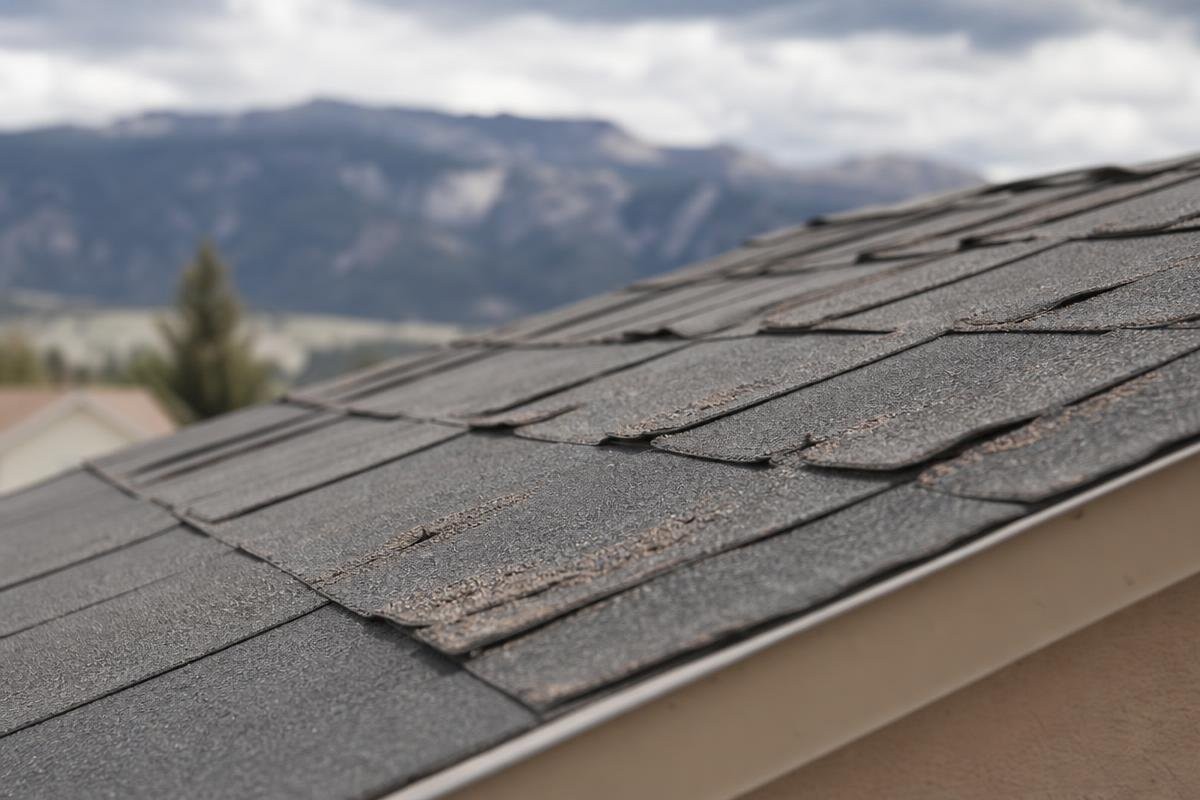
Asphalt shingles are a shorter-term investment. Standard three-tab shingles last 15 to 20 years under ideal conditions. Architectural shingles, which are thicker and have a longer manufacturer warranty, typically deliver 20 to 30 years of service. In El Dorado County's environment, that estimate should be treated conservatively. The intense UV exposure of the foothill summers and the day-to-night temperature cycling that stresses shingle adhesive and sealant can push asphalt roofs toward the lower end of their expected lifespan, particularly on south- and west-facing slopes.
Over a 60-year horizon, a homeowner with an asphalt roof will likely need two to three complete roof replacement cycles. A homeowner who installs a quality metal roof may need only one. That lifecycle math often brings the total long-term cost of the two options much closer together than the upfront price difference suggests.
Fire Resistance
For El Dorado County homeowners, this is the category that arguably carries the most weight. Metal is noncombustible. It carries a Class A fire rating and will not ignite from direct flame or airborne embers, the primary mechanism by which homes are destroyed in wildland-urban interface fires. Wind-driven embers that land on a metal surface do not find purchase the way they can in debris-filled gutters or on surfaces with any porosity or texture that allows them to smolder.
Asphalt shingles can also achieve a Class A fire rating, and many modern architectural products do. However, meeting the rating and performing like a noncombustible material are different things. Asphalt is a petroleum-based product, and while Class A-rated shingles are designed to resist ignition under test conditions, they do not offer the inherent structural noncombustibility of metal. In areas where ember exposure is a realistic scenario, the materials are not equivalent even when they share the same rating tier.
California's Chapter 7A requirements, which govern new and replacement residential roofing in designated fire hazard zones, require Class A-rated assemblies. Both materials can meet this standard in most configurations, but metal does so by its fundamental nature while asphalt meets it by design. For homeowners in Placerville, Pollock Pines, Camino, Shingle Springs, and other communities with direct wildfire exposure, that distinction is worth factoring into the decision.
Energy Efficiency
Sacramento Valley and foothill summers produce sustained heat that drives air conditioning costs significantly. Roofing material plays a measurable role in how much of that heat enters the home.
Metal roofing with reflective coatings bounces solar radiant heat away from the structure rather than absorbing it. Reflective metal surfaces can reduce a roof's surface temperature substantially compared to standard asphalt, and that difference translates into lower attic temperatures and reduced cooling loads. Homeowners in warm climates who switch to reflective metal roofing often see meaningful reductions in summer electricity costs.
Asphalt shingles, particularly darker colors, absorb heat and radiate it into the attic space, which increases indoor temperatures and places more demand on air conditioning. Cool roof asphalt products with reflective granules have improved in recent years and represent a better option than standard shingles in hot climates, but they do not match the performance of a reflective metal roof under the same conditions.
Proper attic ventilation matters significantly in this context for both materials. A well-ventilated attic allows trapped heat to escape and reduces the temperature differential between the roof surface and the living space below. Any roof installation in El Dorado County should include an evaluation of ventilation adequacy alongside material selection.
Upfront Cost
Asphalt shingles have a clear advantage in initial cost. For a typical residential roof, architectural asphalt shingles represent a more accessible initial investment than metal. Metal roofing, particularly standing seam, carries a higher upfront cost than quality asphalt shingles at the time of installation, contact Roof Geeks for a quote specific to your home.
That gap is real and matters for homeowners working within a defined budget for a roof installation project. Asphalt shingles provide dependable performance at a price point that is accessible to most homeowners, and for someone who does not intend to remain in the home for the full lifespan of a metal roof, the lower upfront investment may be the practical choice.
The calculus shifts when the full lifecycle is considered. Two or three asphalt replacements over the span of a single metal roof installation, combined with ongoing maintenance costs and the energy savings metal provides over decades, can make metal the more cost-effective option over time. Financing options available through roofing contractors can also reduce the effective monthly cost difference, sometimes to a point where monthly energy savings offset the cost of the material upgrade.
Maintenance Requirements
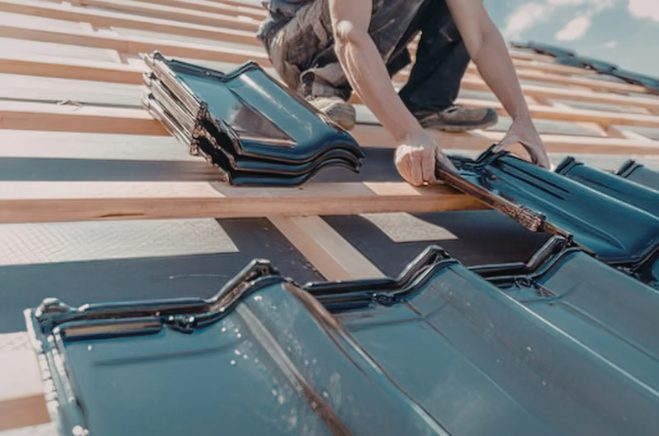
Metal roofing requires very little ongoing maintenance beyond periodic inspection. Properly installed metal panels resist moisture, do not develop granule loss or shingle cracking, and are not susceptible to the moss and algae growth that affects asphalt in shaded or damp environments. The primary maintenance items for metal are occasional inspection of sealants around penetrations, checking for any debris buildup in valleys, and ensuring fasteners remain secure over time.
Asphalt shingles require more regular attention. Granules shed from the surface over time, particularly after hail or high winds, and their loss accelerates UV degradation of the underlying asphalt. Shingles can crack, curl, and become dislodged during storms. Moss and algae growth on north-facing and shaded slopes are common maintenance issues in areas with any seasonal moisture. Flashing sealant around chimneys, vents, and skylights requires periodic resealing as it dries and cracks.
Scheduling a regular roof inspection every one to two years is advisable for either material, but particularly for asphalt systems. Catching granule loss, cracked shingles, or minor flashing failures early prevents those issues from becoming water intrusion events that require more significant intervention.
Aesthetics and Home Style Compatibility
Asphalt shingles are available in a broad range of colors, profiles, and textures, making them compatible with almost any home style. Their visual familiarity means they blend naturally with most neighborhood contexts in El Dorado County, from traditional ranch homes in El Dorado Hills to mountain-style properties in the higher foothill communities.
Metal roofing has expanded considerably in aesthetic range. Standing seam is a clean, modern profile that suits contemporary and mountain home designs well. Metal shingle and shake panels are also available and are engineered to approximate the appearance of traditional shingles or wood shakes at a distance, broadening the range of homes where metal is a visually appropriate choice. For homeowners on larger rural properties or those with contemporary architecture, metal's appearance is often considered an asset rather than a compromise.
Neither material is universally better suited to El Dorado County aesthetics. The right choice depends on the architectural style of the home and the homeowner's preferences. Both materials are professionally installed throughout the region.
Noise
One practical consideration that comes up in metal roof discussions is noise during rain events. Without adequate attic insulation and decking beneath the metal panels, rain on a metal roof can produce more interior sound than on an asphalt roof.
On most residential construction, this is a manageable factor rather than a disqualifying one. Homes with solid sheathing, proper underlayment, and adequate attic insulation typically experience minimal sound transmission from a metal roof. Homes being re-roofed should confirm that the installation specification includes appropriate underlayment to address acoustic performance. It is a reasonable question to raise with your contractor during the estimation process.
Which Material Is Right for Your Home?
There is no single correct answer for every El Dorado County homeowner. The right choice depends on your situation, priorities, and how long you intend to remain in the home.
Metal roofing is likely the stronger choice when the home is in a designated Very High Fire Hazard Severity Zone with direct wildfire exposure, when the homeowner plans to remain in the home for 20 or more years, when long-term energy costs and low maintenance are priorities, or when the home's architectural style suits metal's profile. The higher upfront cost is offset over time by reduced replacement frequency, lower maintenance, and energy savings in El Dorado County's demanding climate.
Asphalt shingles remain a practical and well-performing option when budget is a primary constraint, when the homeowner's timeline in the home is shorter, or when a traditional appearance is important and aesthetic compatibility with the neighborhood is a factor. Quality architectural shingles from established manufacturers, properly installed with correct ventilation and flashings, will protect an El Dorado County home reliably for 20 to 30 years.
For either material, installation quality is as important as product quality. A roof that is correctly specified, properly underlaid, accurately flashed, and well-ventilated will outperform a better material that was installed without attention to these details.
Frequently Asked Questions
Is metal roofing required in El Dorado County fire zones?
Metal is not the only compliant option, but it is one of the most straightforward. California's Chapter 7A standards require Class A-rated roofing assemblies in designated Very High Fire Hazard Severity Zones. Both metal and Class A-rated asphalt products can satisfy this requirement. Metal achieves the rating by virtue of being noncombustible, while Class A asphalt products are designed to meet the standard through their construction. Your contractor should confirm that the specific assembly you are installing meets local fire code requirements for your property's zone designation.
How much more does metal roofing cost than asphalt in El Dorado County?
Metal roofing typically costs two to three times as much as quality architectural asphalt shingles at the time of installation. The exact figures depend on roof size, pitch, panel style, and the complexity of the job. The gap narrows considerably when lifecycle cost is evaluated, since metal roofs do not require the two or three replacement cycles that asphalt will need over the same period. A professional estimate will give you accurate numbers for your specific home.
How long do asphalt shingles last in the Sierra foothills climate?
Most architectural asphalt shingles are warranted for 30 years, but real-world lifespan in El Dorado County tends toward the lower end of that range. The combination of intense UV exposure during long, dry summers and temperature cycling between warm days and cool nights accelerates granule loss and sealant degradation. Homeowners in south- or west-facing exposures, or at higher elevations with additional hail and freeze-thaw stress, often see replacement become necessary in the 20 to 25-year range.
Does metal roofing make too much noise during rain?
On homes with solid sheathing, proper underlayment, and adequate attic insulation, the acoustic difference between metal and asphalt during rain is minimal in most cases. An experienced contractor will specify the installation correctly to address this concern. If noise is a priority for you, raise it explicitly during the estimation process so the underlayment and decking specification can be confirmed.
Can metal roofing be installed on any home style in El Dorado County?
Most home styles can accommodate metal roofing, though the appropriate panel profile varies with the architecture. Standing seam suits contemporary, modern, and mountain-style homes naturally. Metal shingle and shake products extend the aesthetic range to more traditional home styles. A contractor experienced with both materials can walk you through the profiles that work best for your home's design.
Will a metal roof increase my home's resale value?
Metal roofing generally holds its value well at resale. Buyers in fire-prone markets like El Dorado County increasingly recognize the practical value of a metal roof, and the longer remaining lifespan of a metal roof is a concrete selling point. Insurance considerations may also be a factor, since non-combustible roofing can influence policy terms in high fire risk zones. A new asphalt roof also adds value at resale, particularly if it replaces a failing system, but the resale advantage of metal tends to be more durable given its longer service life.
How do I know which roofing material is right for my specific property?
The best starting point is a professional evaluation of your home's current roof condition, its location within El Dorado County's fire hazard zone map, your architectural style, and your timeline and budget. A qualified contractor can walk you through the specific tradeoffs for your property and provide accurate cost comparisons for both options before you commit to a direction.
About Roof Geeks
Roof Geeks is a full-service roofing contractor serving homeowners across El Dorado County and the Greater Sacramento region. From Placerville and Cameron Park to El Dorado Hills and Shingle Springs, our team installs both metal and asphalt systems with a focus on correct specification, quality installation, and honest advice. We know what El Dorado County homes face, and we build roofs that are ready for it.
Get a Clear Answer for Your Home Before You Decide
If you are weighing metal roofing against asphalt shingles for your El Dorado County property, the right next step is a professional evaluation that accounts for your specific home, location, and goals. Roof Geeks serves homeowners throughout Pollock Pines, Georgetown, Cool, Auburn, and communities across El Dorado County and the Greater Sacramento area. Call us at (916) 888-7663 or request your free estimate online and get straightforward guidance on which roofing system is the right fit for your home.