A storm rolls through the Greater Sacramento area, drops a few inches of rain, and moves on. From the ground, your roof looks fine. No obvious holes, no shingles in the yard, no water dripping through the ceiling. So you move on too.
That is exactly how minor storm damage becomes a major problem. Roof deterioration after a storm rarely announces itself with a dramatic failure. More often, it starts quietly: a slightly lifted shingle, a small separation in the flashing, a few inches of saturated underlayment. By the time visible damage appears inside your home, the process has been underway for weeks.
A professional roof inspection after a significant weather event is one of the most protective steps a Sacramento homeowner can take. This post covers what happens during that inspection, what Sacramento's storm patterns mean for your roof specifically, how to document damage for an insurance claim, and when you need to act before a roofer can get there.
Why Sacramento Storms Are Harder on Roofs Than They Look
Sacramento's weather follows a pattern that creates a specific kind of stress on roofing systems. Summers are long, dry, and intensely sunny, which oxidizes shingles and dries out sealants over months. Then fall arrives with the first Pacific storm systems, and materials that have been baking under UV exposure since May are suddenly hit with wind-driven rain and rapid temperature swings.
October through December sees the sharpest rise in precipitation in the Sacramento Valley, with early-season storms regularly producing wind gusts above 40 mph and heavy rainfall in short periods. The Sierra foothills east of Sacramento add hail and frost to the equation, followed by rain, which causes roofing materials to expand and contract in ways that accelerate wear.
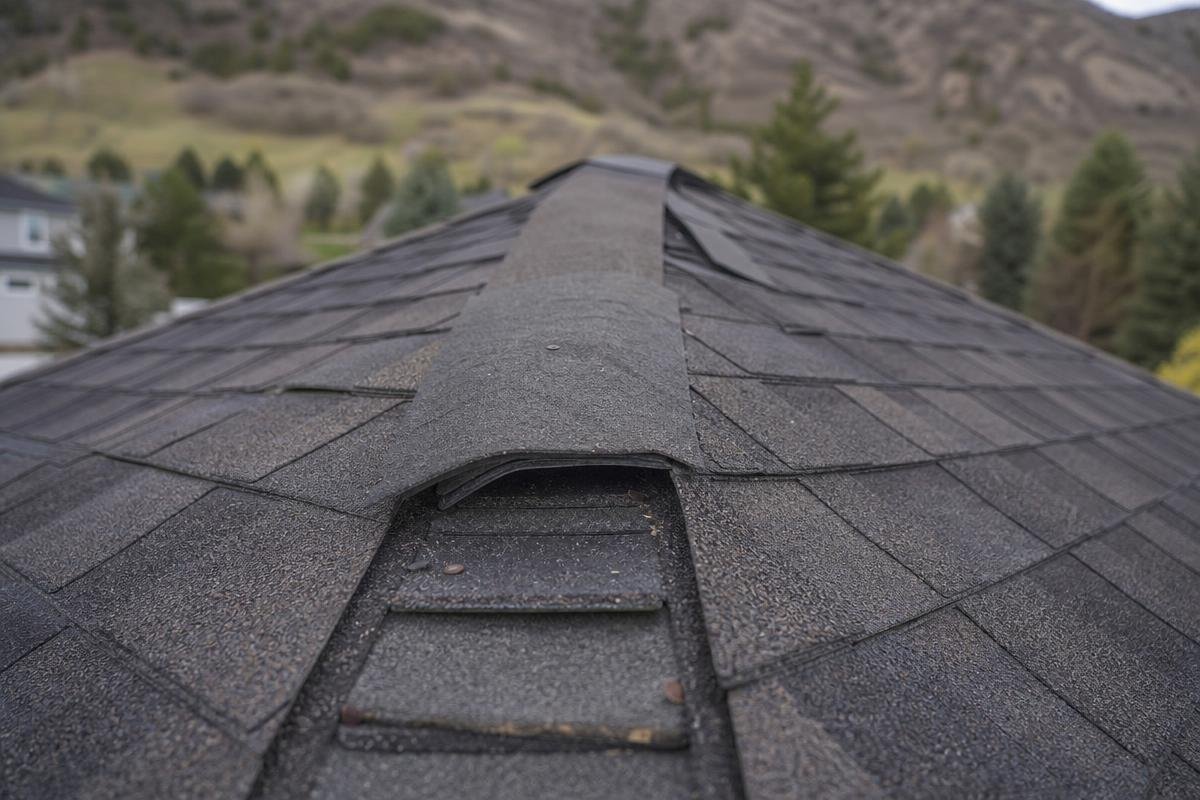
Wind-driven rain is the dominant concern in this region. Strong gusts lift shingles just enough to break the adhesive seal without tearing them off completely, and then steady rain follows right behind and finds every gap. Mature tree cover in neighborhoods across the region adds the risk of falling limbs that crack ridge caps or punch small holes in roof decks that are completely invisible from a driveway.
The practical result: a roof can take real damage during a Sacramento storm and show almost none of it from the ground. That is why a professional inspection matters even when things look fine after the storm passes.
What a Professional Storm Inspection Actually Covers
Many homeowners picture a roof inspection as someone walking around and looking at shingles. A thorough post-storm inspection covers considerably more than that, and understanding what gets checked helps you evaluate the quality of the assessment you receive.
Ground-Level Evaluation
Before any inspector sets foot on the roof, a careful ground-level walkthrough provides important information. A contractor will look for shingle debris or granules in the yard and gutters, displaced or sagging gutters, visible damage to soffit, fascia, or siding, and any tree limbs or debris that came into contact with the roofline. Granule accumulation in gutters is a particularly telling sign because it indicates impact damage has knocked the protective coating off the shingles.
Surface Inspection
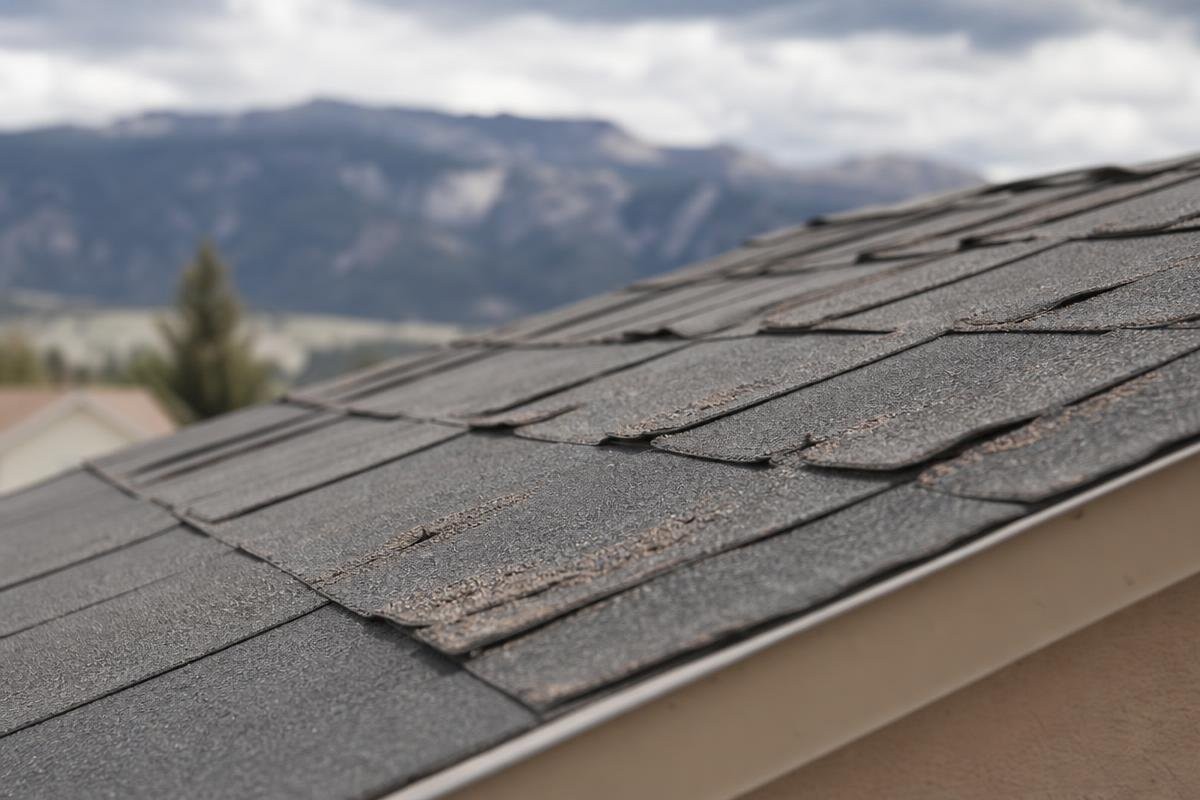
Once on the roof, the inspector examines shingles for lifting, curling, cracking, and missing sections. Hail damage often appears as soft spots or bruising on asphalt shingles, damage that is felt by pressing on the surface rather than seen from a distance. These bruised areas are where UV rays will eventually break through and create leaks, sometimes months after the storm that caused the original impact.
Flashing around chimneys, vents, valleys, and skylights receives close attention because these are the joints where water is most likely to find a path in. Lifted or separated flashing after a storm is a common source of leaks that do not appear immediately. The inspector will also check ridge caps and the perimeter edges, areas that bear the most wind load and tend to fail first.
Attic and Interior Check
A complete storm inspection does not stop at the exterior. Checking the attic for daylight coming through roof boards, moisture in the insulation, water staining on rafters, or any musty odor is a critical part of the evaluation. Water can travel along beams and framing before appearing as a stain on a ceiling below, so interior signs of moisture often reveal damage that cannot be seen from the roof surface at all.
Gutters and Drainage
Gutters take a beating in Sacramento storms. Inspectors check for sections that have pulled away from the fascia, denting or deformation from wind-blown debris, and whether water is still draining correctly. Clogged or damaged gutters after a storm allow water to back up against the roofline, which compounds shingle damage and accelerates rot along the eaves. If your gutters have sustained damage, gutter repair should be addressed alongside any roofing work.
Signs You Should Not Wait to Call a Roofer
Most post-storm inspections can be scheduled within a few days of the weather event. Some situations, however, call for a faster response. Contact a roofer immediately if you notice any of the following:
Water is actively coming into your home through the ceiling or walls. Even a slow drip indicates an opening in the roof system that will worsen with any additional rain. Roof leak repair addressed quickly prevents the water intrusion from spreading into insulation, framing, and drywall.
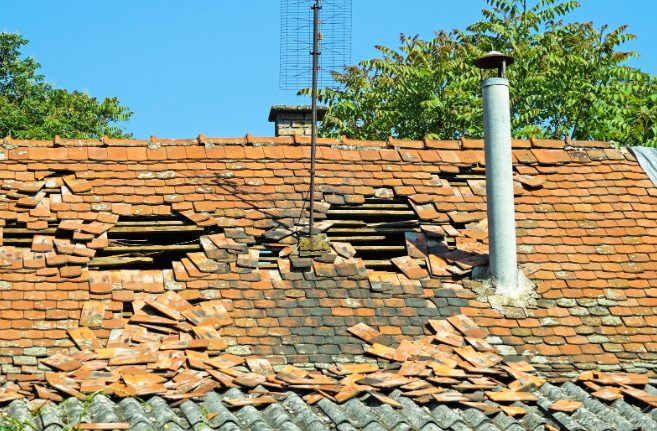
You can see a section of roofing material that has been visibly displaced, lifted, or torn. An exposed roof deck has no protection from rain and should be tarped until a contractor can arrive.
A tree limb or large debris has made contact with the roof surface. Even if it did not punch through, the impact may have caused structural damage that is not visible from below.
You are hearing dripping sounds in the attic or walls, or noticing a new musty smell in upper rooms after the storm. These are signs that moisture has already entered the structure.
For situations that cannot wait, emergency roof repair provides the rapid response needed to secure your home before further damage occurs.
What to Do Before the Inspector Arrives
Taking a few steps immediately after a storm improves your inspection outcome and strengthens any insurance claim you may need to file.
Walk your property at ground level as soon as it is safe to do so and photograph everything you can see. Capture any shingles or roofing material on the ground, granules in gutters or downspout splash areas, debris on the roof surface, and any damage to soffits, fascia, or gutters. Take photos inside the attic if you can safely access it, particularly of any new staining or moisture.
Document the date and the storm event. This establishes a clear timeline that connects the damage to the weather, which is important when working with an insurance adjuster. If your area experienced a named storm or a weather event that generated news coverage, note that as well.
Do not attempt to make permanent repairs before an inspector has evaluated the damage. Repairs made before documentation may complicate your insurance claim. If there is active water intrusion, a temporary tarp over the affected area is appropriate and will not affect your claim, but leave the underlying damage visible and photographed before covering it.
Storm Damage and Your Insurance Claim
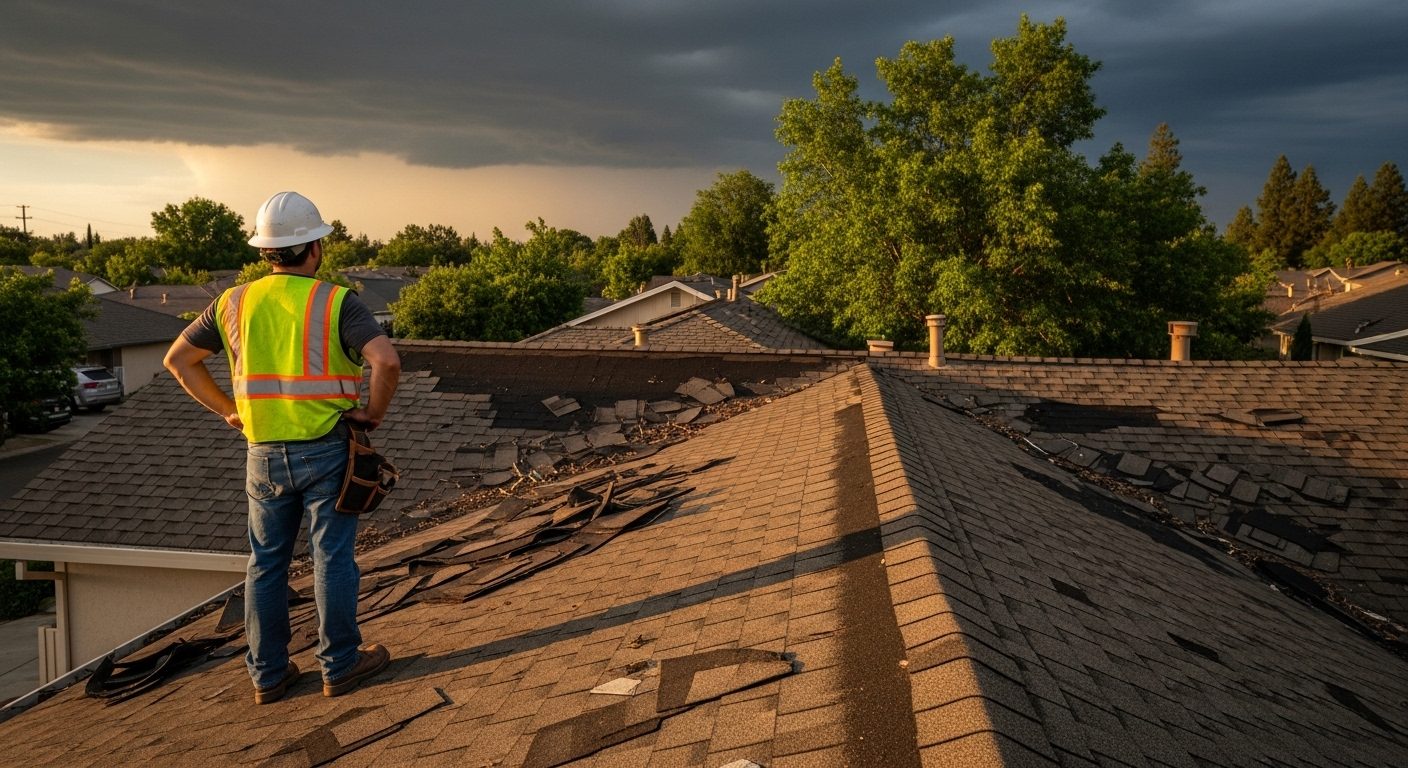
Most homeowner's insurance policies cover sudden storm damage from wind, hail, and falling debris. What they generally do not cover is deterioration from deferred maintenance or pre-existing wear. This distinction matters because an insurer's adjuster will evaluate whether the damage is consistent with a storm event or with a roof that was already failing.
A professional inspection report from a licensed roofing contractor works in your favor here. A thorough report with photographs, identified damage locations, and a clear description of cause gives your insurer the documentation needed to process a valid claim accurately. Without that documentation, adjusters may underestimate the extent of damage or attribute it to maintenance issues rather than storm impact.
File your claim as promptly as possible after documenting the damage. Policies typically require that storm damage be reported within a defined window, and acting quickly also makes it easier to connect the damage to a specific weather event. A contractor who works regularly with insurance claims can help you understand what your policy is likely to cover and how to present your findings clearly.
For homeowners navigating the claims process, working with a contractor experienced in roof insurance claims can make the difference between a smooth claim and a frustrating one.
Repair vs. Replacement After Storm Damage
Not all storm damage results in a full roof replacement. The outcome depends on the extent of the damage, the age of the roof, and the condition of the materials that were not directly affected by the storm.
Targeted roof repair services are usually appropriate when the damage is limited to a defined section, the surrounding shingles are in sound condition, the roof is less than 15 years old, and the underlying decking has not been compromised. A reputable contractor will be clear about what falls into this category and will not push replacement when repair is the right call.
Replacement becomes the practical recommendation when storm damage is widespread across multiple sections, the roof was already near the end of its service life before the storm, the decking has been saturated or structurally weakened, or repeated repairs have already been made to the same areas. In these cases, repairing storm damage on a roof that was already failing often means spending money that does not resolve the underlying vulnerability.
Frequently Asked Questions
Should I get a roof inspection even if I do not see any damage after a storm?
Yes. Some of the most damaging types of storm wear, including hail bruising on asphalt shingles and lifted flashing seals, are not visible from the ground. A professional inspection after any significant storm event is the only reliable way to confirm that your roof is intact. What looks fine from the driveway can have developing issues that produce leaks weeks later.
How quickly should I schedule a roof inspection after a storm?
As soon as it is safely possible, ideally within a few days of the event. Acting promptly establishes a clear connection between the storm and any damage found, which supports your insurance claim. It also allows minor issues to be caught before subsequent rain events make them worse.
Will a storm damage inspection cost me anything?
Many roofing contractors offer post-storm inspections at no charge, particularly when there is visible evidence that a significant weather event occurred. Ask about this when you call to schedule.
Can I file an insurance claim based on storm damage found during an inspection?
Yes, provided the damage is documented with a professional inspection report. Insurance companies rely on contractor documentation to evaluate storm damage claims. A report that includes photographs, damage locations, and cause assessment gives your insurer the evidence it needs to process your claim.
What if the storm damage is minor? Is it still worth repairing?
Minor storm damage is worth addressing promptly precisely because it is still minor. A small separation in flashing, a few lifted shingles, or a section of granule loss will worsen with each subsequent storm. The cost of addressing small issues early is consistently lower than the cost of the water damage and structural repairs that follow if those issues are left alone.
How do I know if the damage is covered by my homeowner's insurance?
Most policies cover sudden and accidental damage from wind, hail, and falling debris. Pre-existing wear is generally excluded. A licensed contractor's inspection report that identifies the damage and its cause is your strongest tool when working with an adjuster. Review your policy's storm damage provisions and contact your insurer promptly after documenting the damage.
What is the difference between a roofer's inspection and an insurance adjuster's visit?
An insurance adjuster evaluates damage from the insurer's perspective and focuses on what is covered under your policy. A roofing contractor's inspection evaluates the full condition of your roof and documents all damage, including issues an adjuster may not prioritize. Having both visits is ideal because each serves a different purpose, and the contractor's report provides the technical detail that supports your claim.
About Roof Geeks
Roof Geeks is a full-service roofing contractor serving homeowners and businesses across El Dorado County and the Greater Sacramento region. From Folsom and Roseville to Granite Bay and Rancho Cordova, our team provides thorough post-storm inspections, honest damage assessments, and lasting repair work backed by real craftsmanship. When Sacramento weather puts your roof to the test, Roof Geeks is ready to respond.
Storm Hit Your Roof? Get It Checked Before the Next One Arrives
The window between storms in Sacramento is often shorter than it seems. If your roof took a hit during the last weather event, the time to find out is now, not after the next round of rain arrives. Roof Geeks serves homeowners throughout Sacramento, Elk Grove, El Dorado Hills, Citrus Heights, and communities across the Greater Sacramento area. Call us at (916) 888-7663 or schedule your inspection online and get a clear picture of your roof's condition before the next storm tests it again.